
The Ultimate Event Planning Checklist for Weddings and Private Events
Planning a big celebration sounds fun at first. Then come the dates, deposits, guest lists, menus, seating charts, and a dozen tiny decisions nobody warned you about. If you’re looking for an event planning checklist, a practical wedding planning checklist, smart private event planning tips, a useful event checklist guide, or clear advice on how to plan a wedding, you’re in the right place.
Personal details matter more than ever, too: “80% of attendees say they’re more likely to engage with personalised event experiences.”
Use this guide to stay organized, avoid last-minute chaos, and build an event that feels thoughtful from start to finish.
The Importance of an Organized Event Planning Checklist
A great event rarely comes together by accident. It usually starts with a calm plan, a shared document, and someone brave enough to ask, “Wait, who is handling parking?”
A checklist turns big ideas into real tasks. It gives you deadlines, names, payment dates, and next steps, so your event doesn’t live entirely in your head.
Why Checklists Prevent Costly Misses
Portsmouth, New Hampshire brings together coastal scenery, historic streets, and a lively West End. That mix makes it a strong choice for destination-style celebrations without the stress of a huge city. Guests can explore Market Square, try local restaurants, stay in boutique hotels, and enjoy walkable nightlife around the event.
For hosts searching for a design-forward setting, many couples consider a venue like the Hawthorn wedding & event venue. It is known for exposed brick, high ceilings, Art Deco touches, and a city-inspired look that feels far from a typical ballroom. That flexible style works beautifully for weddings, fundraisers, launches, showers, and milestone parties.
Who Benefits Most
Couples, families, corporate planners, and party hosts all want the same thing: fewer surprises. A strong event planning checklist keeps vendors, payments, rentals, guest needs, and timing in one place.
Once your ideas are organized, everything feels less overwhelming. Now let’s move into the timeline that takes you from early planning to event day.
Step-by-Step Event Planning Timeline for Weddings and Private Events
Timing is what keeps an event from becoming stressful. When you start early, you can compare venues, book trusted vendors, and make changes without rushing.
12+ Months Out: Build the Foundation
Start with the basics. Choose your date, estimate your guest count, set your budget, and decide on the overall feel of the event. Then create your digital event checklist guide.
This is also the time to research venues, photographers, planners, entertainment, catering options, and any must-have vendors. If someone is essential to your vision, don’t wait too long to reach out.
9–11 Months Out: Book the Big Pieces
Once your venue search and event vision are moving, it’s time to make real commitments. Review contracts carefully, confirm deposits, hire catering, choose floral support, and begin building mood boards for colors, lighting, and décor.
This stage can feel like a lot, but it’s also exciting. The event starts to look less like a dream and more like a plan.
6–8 Months Out: Shape the Guest Experience
After the major bookings are handled, the middle details begin to matter. This is where private event planning becomes very practical.
Send save-the-dates, arrange hotel blocks, plan transportation, shop for attire, and secure rentals. Think about how guests will move through the day. Where do they park? Where do they check in? Will they know what to wear? Small answers now prevent big confusion later.
Personalization, Technology, and Guest Comfort
Modern events work best when planning feels simple for you and considerate for your guests. You don’t need every new trend. You only need the tools and details that make the experience smoother.
4–5 Months Out: Add Personality
At this point, focus on the pieces that make the event feel like yours. Shape the menu, music, signage, signature drinks, invitations, and photo moments.
You may also want an event website or app. It can hold schedules, parking notes, dress code details, RSVP updates, and hotel information. Trust me, anything that prevents twenty “What time does it start?” texts are worth considering.
2–3 Months Out: Confirm the Details
Once the creative decisions are made, execution becomes the priority. Confirm services, update your wedding planning checklist, create the day-of timeline, draft seating plans, and think about insurance for weather, illness, or hybrid event needs.
Technology is now part of the planning norm: “73% of event management companies are using at least one AI‑powered automation tool as of 2024, up 45% from 2022.”
1 Month to 1 Week Out: Get Ready
Now the finish line is close. Lock in final RSVPs, schedule your walkthrough, print programs and place cards, assign helper roles, pack emergency kits, confirm vendors, and reread your event checklist guide one more time.
At this stage, your goal is simple: reduce decisions. The more you confirm ahead of time, the more present you can be on the actual day.
Event Day, Vendor Teamwork, and Venue Communication
Event day should not feel like everyone is guessing. A clear run sheet helps setup, guest arrivals, food service, photos, speeches, and cleanup happen in the right order.
Event Day Checklist
Begin with arrival times, loading zones, décor setup, sound checks, signage, and welcome points. Choose one person to handle vendor questions, so the couple, host, or guest of honor is not pulled into every tiny issue.
That one decision can save your sanity.
Vendor Collaboration That Works
Even the most beautiful event depends on behind-the-scenes teamwork. Share one master timeline with the planner, venue contact, caterer, photographer, florist, DJ, and rental company.
When everyone works from the same schedule, there is less confusion and fewer awkward pauses.
Contract Questions to Ask
Ask what is included, what costs extra, when access begins, when cleanup ends, and whether preferred vendors are required. For private event planning, this helps avoid surprise fees for security, bar staffing, overtime, candles, or equipment.
Strong vendor communication keeps misunderstandings from becoming expensive problems.
Ultimate Budgeting and Payment Tracker
A smart budget is more than one total number. It should track deposits, balances, due dates, taxes, service charges, tips, and flexible spending areas.
Estimating Costs Realistically
The best event planning checklist includes payment reminders beside each vendor. Prioritize venue, food, photography, music, and guest comfort before spending heavily on extras people may barely notice.
Beautiful matters. But comfortable, well-fed guests remember the day better.
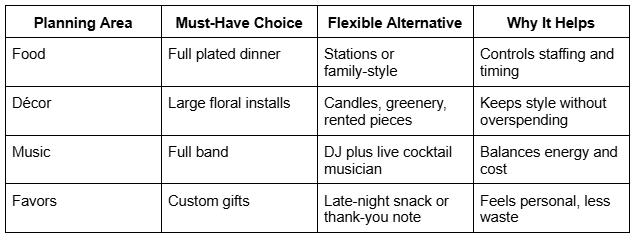
Budget Comparison Table
Money-Saving Ideas
Once you have a realistic estimate, it’s easier to see where money might drift. Book seasonal flowers, reuse ceremony décor, ask about weekday rates, and group hotel rooms early if guests are traveling.
Smart savings do not have to make the event feel less special. They just help you spend with purpose.
Guest Management and RSVP Strategies
Guest lists can quietly take over a budget. Keep names, meal choices, allergies, addresses, plus-one rules, and RSVP status in one shared tracker.
Digital RSVPs and Seating
Paperless invitations and digital RSVPs save time and reduce errors. Seating chart tools also help you group families, separate tense relationships—yes, it happens—and track dietary needs before the caterer’s deadline.
Personal Touches for Guests
If you’re learning how to plan a wedding, don’t overlook comfort details. Welcome notes, clear signs, allergy-friendly menus, accessible seating, quiet areas, and easy parking instructions can make guests feel genuinely cared for.
Thank-Yous and Follow-Ups
Personalized favors do not need to be expensive. A printed photo, local treat, handwritten note, or post-event gallery link often feels more meaningful than a generic gift.
Once guest details are under control, the event becomes easier to host and easier to enjoy.
Post-Event Checklist and Planning Templates
The party may be over, but a few loose ends usually remain. A short post-event plan protects deposits, supports vendors, and helps you save the best memories.
Cleanup, Returns, and Tips
Assign someone to collect cards, gifts, signage, leftover décor, rentals, personal items, and vendor tips. Donate flowers if possible, pack food safely, and confirm who handles trash, rental pickup, and the final venue check.
Event Legacy
A good teardown plan protects your time, your deposits, and your peace of mind after the last song. Plan the send-off, then collect photos, videos, guestbook recordings, and social posts into one shared folder.
Downloadable Templates
Capturing the magic is easier when your process is organized. Use printable spreadsheets, mobile checklists, and an exclusive planning template designed for the Hawthorn event venue to turn this wedding planning checklist into a simple working system.
With templates ready, you can answer the questions that usually cause last-minute stress.
Final Thoughts on Bringing Your Event to Life
Great events are not great because every detail is expensive. They work because every choice has a reason. With the right event planning checklist, a clear timeline, thoughtful vendors, and smart guest planning, your celebration can feel personal, calm, and beautifully handled.
Download your checklists, confirm your priorities, and schedule a tour when you’re ready to see the space in person. One clear next step is all it takes to get moving.
Common Questions About Wedding and Private Event Planning
What should you never forget in a wedding planning checklist?
Don’t forget the day-of timeline, vendor contacts, final payments, marriage license, emergency kit, guest meal counts, seating chart, transportation plan, and cleanup roles. Pretty details matter, but logistics keep the day calm.
How can you personalize private event planning?
Start with guest preferences, not décor trends. Add custom music moments, favorite foods, signature drinks, meaningful photos, interactive food stations, audio guestbooks, or handwritten notes that reflect the host, couple, family, or brand.
Can an event checklist guide work for hybrid events?
Yes. Add streaming equipment, internet testing, virtual guest links, camera placement, tech support, recording permissions, and online guest communication. Treat remote attendees as real guests, not an afterthought.
