
Choosing Energy Efficient Options for Cold Climate Outdoor Spas
Enjoying a warm soak under a winter sky can be one of life’s small luxuries. However, maintaining comfort in cold climates requires thoughtful planning and energy-efficient design. With the right choices, spa owners can minimize energy use while keeping water invitingly warm all year.
Understanding Energy Efficiency in Outdoor Spas
Energy efficiency means using less power to achieve the same level of comfort. In outdoor spas, this depends on insulation, heating systems, and smart operation. The goal is to retain as much heat as possible while reducing the workload on the heater.
Choosing efficient heating equipment can help spa owners maintain comfortable water temperatures while keeping energy consumption under control. Comparing business energy rates can also help owners evaluate ongoing operating costs and identify opportunities for greater efficiency.
Insulation and Heat Retention
Insulation is the first line of defense against heat loss. High-quality foam insulation around the spa shell and plumbing traps warmth inside. A well-fitted cover adds another layer of protection, keeping heat from escaping into cold air.
In regions where temperatures drop sharply, investing in dense, moisture-resistant insulation can make a noticeable difference. It helps stabilize water temperature and reduces the frequency of heater cycles.
Energy-Efficient Heating Systems
Modern spa heaters often use advanced technology to convert energy into heat more effectively. Titanium or stainless steel components improve durability and performance. Some systems integrate with timers or sensors that adjust heating schedules based on usage patterns, preventing unnecessary energy use.
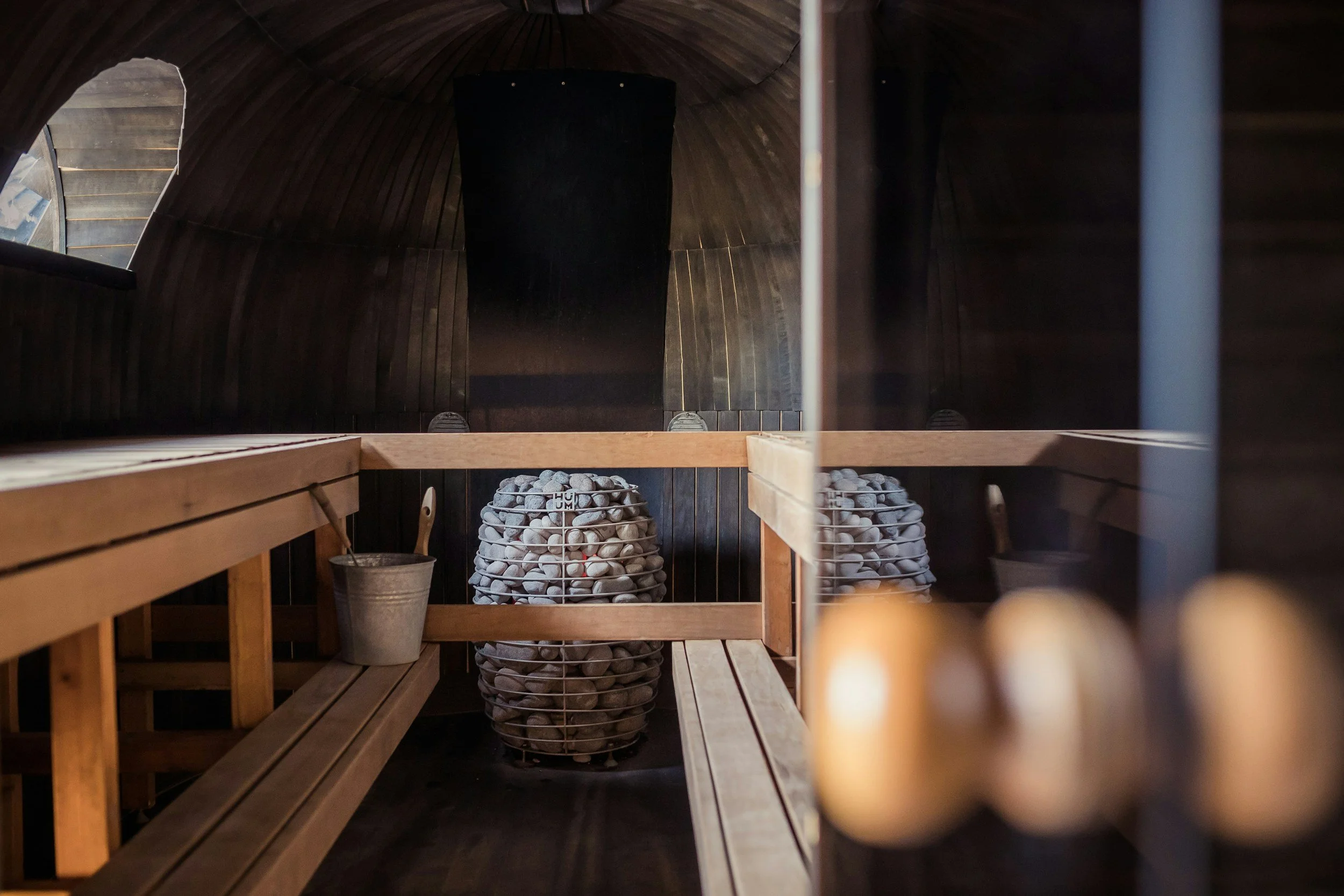
For those who already own an outdoor sauna, similar principles apply. Efficient heat generation and insulation can reduce operating costs while maintaining comfort even in freezing weather.
Efficient Operation and Maintenance
Small habits can lead to large savings over time. Keeping the spa covered when not in use prevents heat loss, while regular maintenance ensures components operate smoothly. Clean filters improve water circulation, reducing the strain on pumps and heaters.
Set the thermostat a few degrees lower when not in use.
Use windbreaks such as fencing or hedges to shield the area.
Inspect seals and covers for cracks that could leak heat.
Schedule routine water checks to maintain chemical balance efficiently.
Energy Sources and Alternative Heating Options
Some spa owners explore alternative energy sources to reduce their environmental footprint. Solar-assisted systems capture and store warmth from sunlight, providing a natural supplement to electric heating. In colder months, hybrid setups that combine solar with traditional power can offer reliable efficiency.
Other options include heat pumps, which extract warmth from the surrounding air even when temperatures are low. Though the initial investment may be higher, long-term savings often justify the cost.
Design and Placement Considerations
Where a spa is installed also affects energy use. Placing it near a wall or structure can block cold winds and reduce exposure to the elements. Choosing a sheltered spot with minimal air movement helps retain heat naturally. Surrounding landscaping can enhance this effect while adding visual appeal.
Lighting and accessories should also be energy conscious. LED fixtures and low-voltage systems create ambiance without increasing power consumption.
Integrating Efficient Outdoor Comfort
Combining a spa with complementary features such as an Backyard Canada installation or a well-insulated deck area creates a cohesive and energy-smart outdoor retreat. Each component contributes to overall efficiency, ensuring warmth, comfort, and sustainability throughout the cold season.
With careful planning and ongoing attention to efficiency, spa owners can enjoy the benefits of outdoor relaxation while keeping energy costs manageable. Cold climates need not limit comfort when smart design and maintenance come together.
