
Control Fire Systems Maintaining Life Safety and Pressurized Equipment Standards
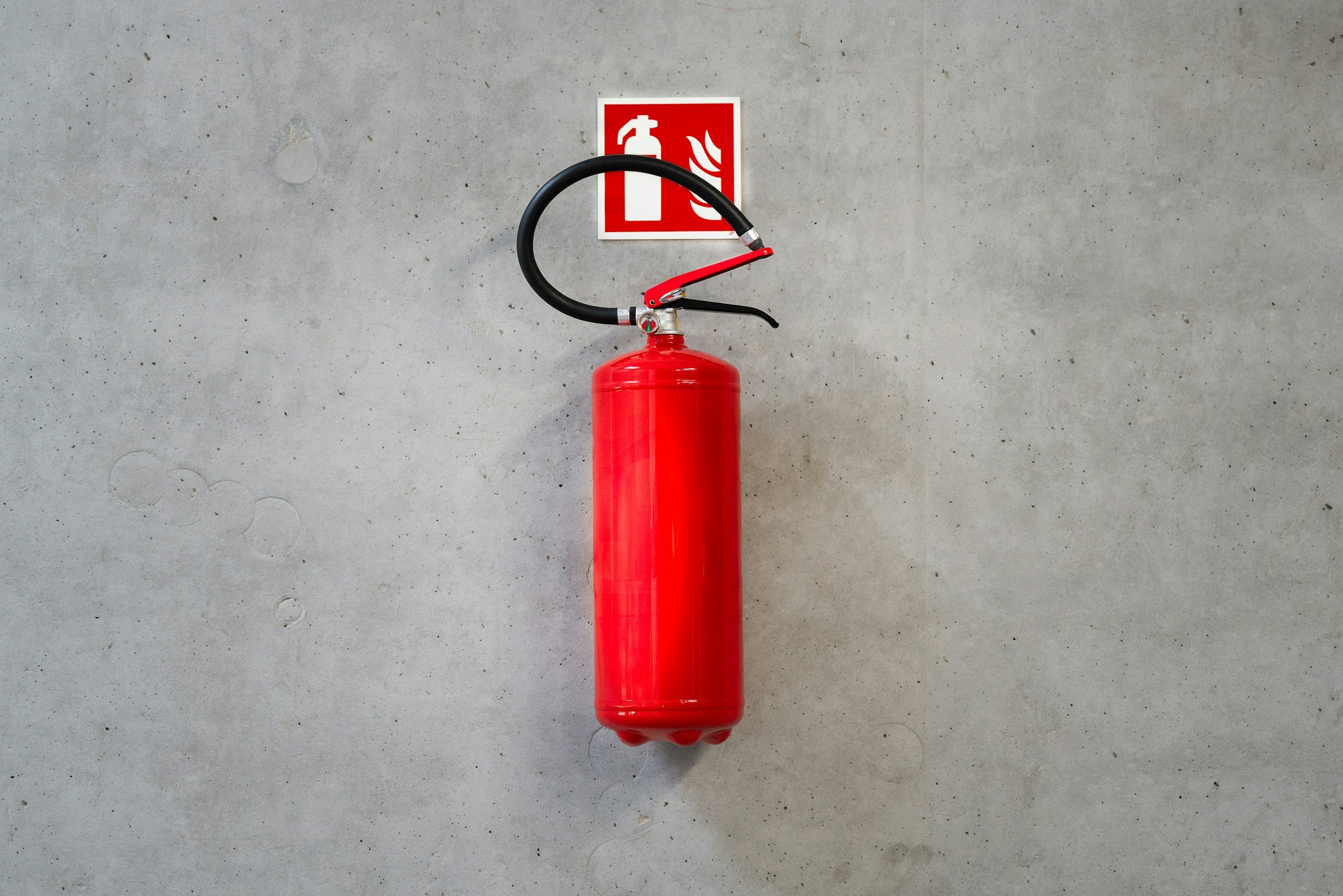
Commercial fire suppression system maintenance needs ongoing technical oversight, accurate regulatory compliance, and rigorous pressure safety procedures. Regular co2 cylinder pressure testing helps ensure fire protection infrastructure is fully functional, structurally sound and compliant to Transport Canada and NFPA standards. Steel and aluminum vessels pressurized to operate at high internal pressure can develop microscopic structural flaws, internal corrosion or sidewall thinning over long periods of time. A full hydrostatic test is to ensure that each container remains structurally sound so that they do not rupture suddenly during discharge events, and can be relied upon when life safety depends on immediate suppression of fire.
Hydrostatic Standards in a Specialized Facility
Working with a specialized entity means that pressurized equipment is tested in its entirety at several levels, in accordance with national life safety requirements. A dedicated Vancouver cylinder refilling facility supports regional industrial commercial operations with certified water-jacket hydrostatic testing, valve rebuilding and internal surface inspections. Professional technicians test vessels by pressurizing them to about five times the stamped operating threshold and measuring expansion metrics to confirm structural integrity. The certified process ensures compliance at all stages, from first evacuation and internal drying to sandblasting and repainting, without compromising on operational safety.
Overview of Mandatory Testing Schedules and Service Intervals
Transport Canada and the National Fire Protection Association have established stringent regulatory time limits for pressurized suppression vessels. All carbon dioxide and clean agent containers are required to be hydrostatically tested every five years whenever a system is recharged. Vessels which have been in continuous and undisturbed service without discharge shall be removed from service and hydrostatically tested at twelve years of service. Following these demanding testing windows, legal liability is avoided, surprise equipment failures are prevented, and the suppression systems are assured to deliver the necessary volumes of agent instantly upon activation in an emergency.
Computerized Validation Procedures and Multi-Stage Testing
Standard hydrostatic testing is a controlled multi-step process to detect hidden stress fractures, thread wear or interior wall degradation. Technicians will begin by visually inspecting the entire exterior for gouges, neck cracks or environmental corrosion. Valve assemblies are removed only after this has been accomplished. Each vessel is mounted inside a sealed water jacket and the pressure of the water inside is increased to test limits, typically between 3,000 and 10,000 psi. This is held for a minimum of thirty seconds. Specialized equipment measures the elastic and permanent expansion. If the permanent expansion is more than ten percent of the total expansion the vessel is immediately condemned. This permanently removes the hazardous equipment from service.
Full Refill, Service and Certified Paperwork
A full service on a cylinder includes a full mechanical service, valve service and certified gas refill in addition to structural pressure testing. Valve replacement, accessory hose pressure testing and precision agent charging are performed by authorized service providers under rigid quality control guidelines. Once tested and dried successfully, vessels are stamped by the official agency with comprehensive computerized records of precise expansion measurements, serial numbers and pass/fail results. Keeping a full set of digital compliance records makes municipal fire audits easier, helps companies with safety governance and keeps life-safety systems running at commercial facilities.
