
Dad-Approved Ways To Prevent Costly Home Surprises
Written by Lea Collins.
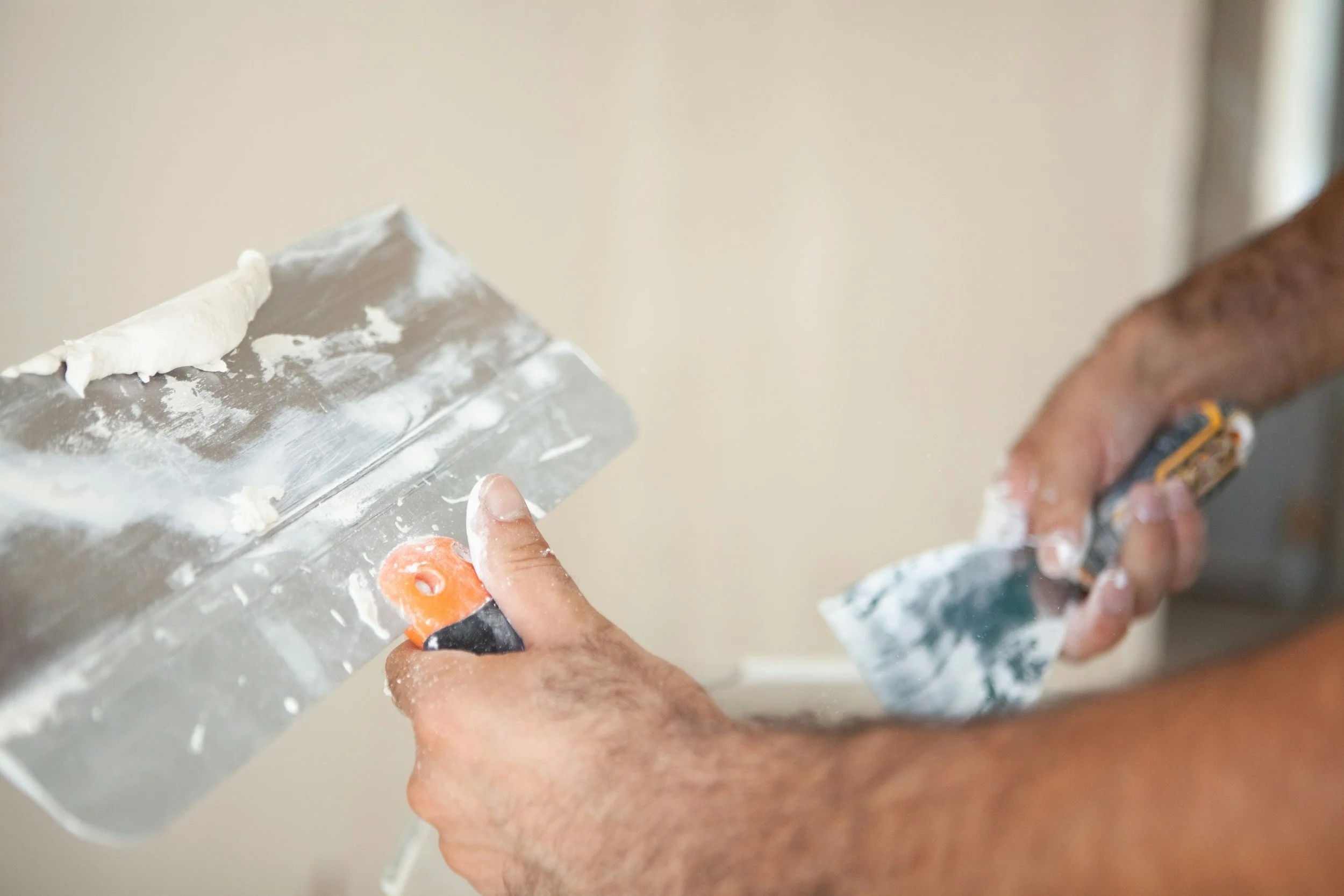
Owning a home is a big dream for many people. It comes with a lot of pride and a lot of work. If you ignore the small stuff, you might face massive repair bills later.
Dads always seem to have a knack for spotting these issues early. Following a few simple steps can save you thousands of dollars in the long run. Let’s look at some smart ways to keep your house in top shape.
Inspect Your Roofing Regularly
A sturdy roof is your first line of defense against the elements. Since Roofers at Palladium Roofing say that regular checks can identify missing shingles before water gets into the attic, homeowners should be vigilant. You should walk around the exterior after every big storm to look for debris or damage.
Look for areas where the granules are wearing off the shingles. These small black spots mean the protection is getting thin. If you see shingles that are curled or cracked, you should call a pro. Catching a $200 repair now prevents a $15,000 replacement later.
Check the flashing around chimneys and vents. These metal pieces keep water from seeping into the seams of your roof. If the sealant is peeling, you can fix it with a tube of roofing cement. Keeping the water out is the best way to protect your rafters.
Keep An Eye On The Plumbing
Water damage is one of the most expensive issues a homeowner can face. It often starts in places you do not look at every day. Small drips under the sink can rot out the cabinets and floor.
A report from an insurance information group suggests checking the hoses on your washing machine and dishwasher once a year.
These rubber lines can crack over time and cause a flood. Replacing a $15 hose is much better than replacing your entire kitchen floor. Check the connections behind your refrigerator, too.
Look for signs of leaks in your basement or crawlspace. Damp spots on the drywall are a big warning sign. If you smell mildew, you likely have water hiding behind a wall. Fix these small leaks before they turn into a major mold problem.
Maintain Your Water Heater
Your water heater works hard to keep your showers warm. Over time, minerals from the water settle at the bottom of the tank. This makes the heater less efficient and can lead to rust.
Professional home inspectors suggest draining a few gallons of water from the tank every month.
This removes the sediment that makes the unit work harder. It keeps your energy bills lower and helps the heater last many more years. You just need a bucket and a few minutes of your time.
Check the pressure relief valve on the side of the tank. Lift the lever to make sure water flows out easily. If it is stuck, you need to replace the valve immediately.
Prevent Winter Pipe Bursts
When temperatures drop below freezing, your plumbing is at risk. Frozen pipes can burst and cause a disaster in just a few minutes.
Safety experts suggest letting your faucets drip just a tiny bit during extreme cold. Keeping water moving helps stop the pipes from turning into solid ice.
It is a simple trick that saves a lot of stress during the winter months. Open your cabinet doors to let warm air reach the pipes under the sink.
Disconnect your garden hoses before the first freeze. Water trapped in a hose can freeze and back up into the faucet.
Clean Your Gutters Twice A Year
Gutters are designed to move water away from your foundation. If they get clogged with leaves, the water will spill over the sides instead. This can lead to a flooded basement or a cracked foundation.
Clear out leaves and twigs in the spring and fall.
Make sure the downspouts are pointing at least 5 feet away from the house.
Look for any sagging sections that need extra support.
Check the ground around your home during heavy rain. The soil should slope away from the walls. If you see puddles next to the foundation, you need to add more dirt. Keeping the foundation dry is the key to a stable home.
Clean gutters prevent ice dams in the winter. When water freezes in the gutter, it can push up under your shingles.
Routine HVAC Filter Changes
Your heating and cooling system needs clean air to run well. A dirty filter blocks the airflow and puts strain on the motor. This makes the system run longer and raises your utility bills.
Changing the filter every 3 months is a cheap way to avoid a $500 repair bill. It keeps the air in your home much cleaner for your family. Mark the date on your calendar so you never forget this simple task. Some homes need a change every month if they have pets.
Listen for strange noises when the furnace kicks on. Banging or whistling sounds mean something is wrong. Call a technician for a tune-up once a year. A well-maintained system will last 15 to 20 years instead of failing early.
Staying on top of home maintenance does not have to be a full-time job. Spending a few hours each month on these tasks keeps your budget safe. You will feel much better knowing your home is secure and solid.
Related:
