
How Implementing Nj Deer Control Methods Protects Your Garden Plants
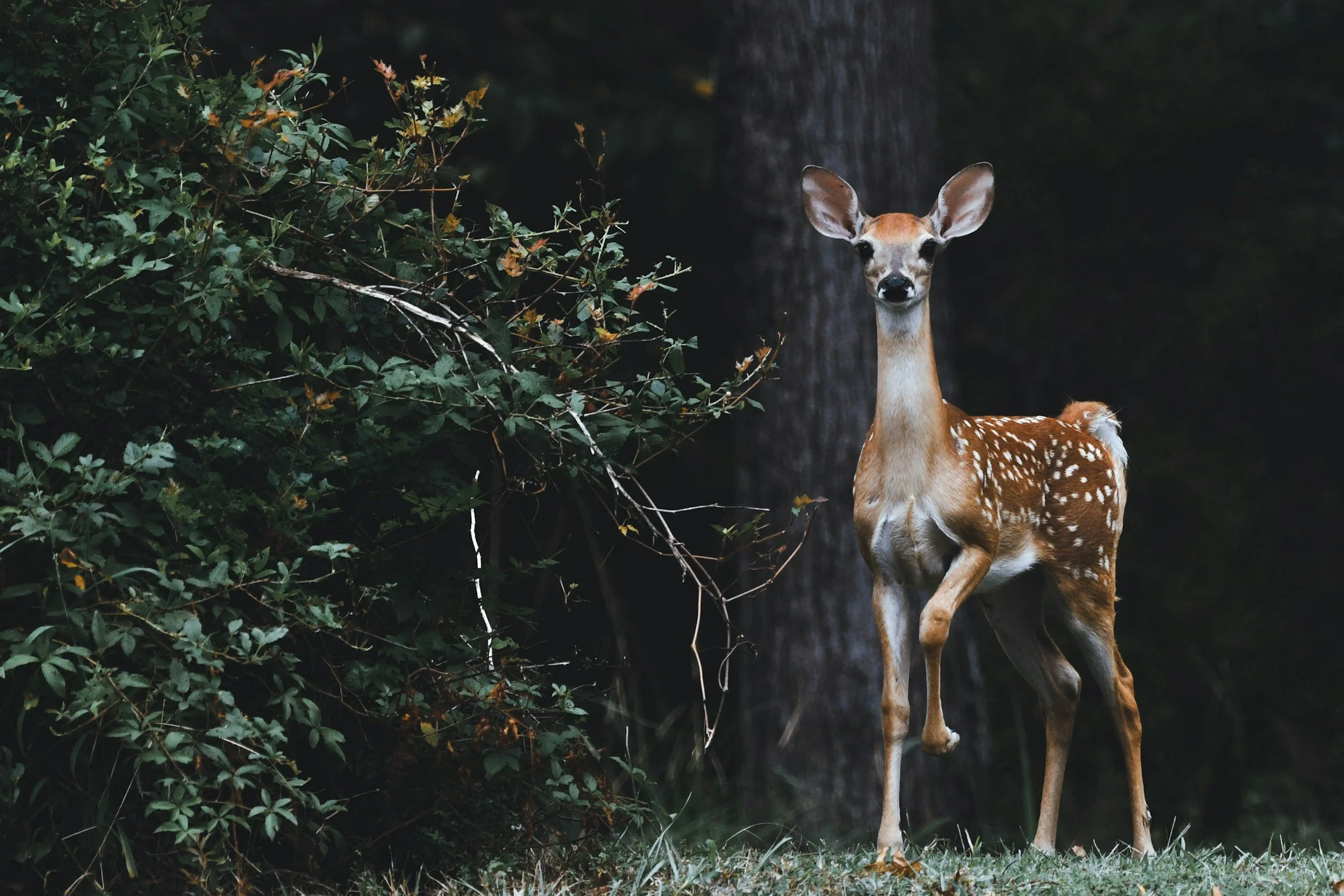
For homeowners passionate about gardening, maintaining the health and beauty of garden plants is a top priority. However, deer often pose a significant threat to these efforts, especially in regions where their populations are high. These foraging animals can cause extensive damage, eating everything from flowers to shrubs, and even trees. Understanding the impact of deer on garden plants and implementing effective deer control measures is crucial for preserving your outdoor space. This article explores how Nj Deer Control methods can safeguard your plants, detailing strategies ranging from natural deterrents to sustainable management plans.
How Deer Impact Garden Plant Health
Deer are notorious for their voracious appetites, and their presence can severely affect the health of garden plants. When deer feed on plants, they not only remove foliage but also damage the stems and roots, which can stunt growth and reduce plant vigor. This is particularly problematic in regions like New Jersey, where certain species are integral to the local ecosystem. Using Landscape Fabric can help protect young plants by creating a physical barrier that discourages browsing. Additionally, deer can disrupt the Soil Amendments that gardeners apply to encourage healthy growth, as their trampling and digging can disturb the soil structure.
Effective Nj Deer Control Strategies for Homeowners
Implementing effective deer control strategies is essential for homeowners looking to protect their gardens. One popular method is creating a physical barrier, such as a fence, that can deter deer from entering the garden. However, fences need to be at least eight feet high to be effective. Alternatively, incorporating Integrated Pest Management (IPM) practices can help manage deer populations by using a combination of biological, cultural, and mechanical control methods. An example of this is planting deer-resistant species, which are less appealing to these animals. For those in New Jersey, exploring professional services like Nj Deer Control can provide tailored solutions that are effective and sustainable.
Natural and Chemical Solutions for Deer Deterrence
There are various natural and chemical solutions available to deter deer from your garden. Natural deterrents often include the use of strong-smelling plants or homemade sprays that can mask the scent of desirable plants. Native Plant Stewardship emphasizes the use of native species that are less attractive to deer, reducing the likelihood of their interest in your garden. Chemical repellents, on the other hand, can be applied to plants to make them unpalatable to deer. It's important to follow a Landscape Maintenance Schedule that includes regular application of these repellents for maximum effectiveness. Chemical solutions should always be used with caution to avoid negative environmental impacts.
Long-Term Benefits of Sustainable Deer Management in Gardens
Adopting sustainable deer management practices offers numerous long-term benefits for gardens. By maintaining a balance between deer populations and plant health, gardeners can enjoy thriving, aesthetically pleasing landscapes. Sustainable management practices such as using Drip Irrigation Systems and Mulching Techniques can enhance plant growth while minimizing the impact of deer. Additionally, implementing a Seasonal Planting Calendar helps synchronize planting times with deer activity patterns, reducing the likelihood of damage. This approach not only protects the current garden but also contributes to the overall health of the local ecosystem.
Conclusion
Protecting garden plants from deer requires a combination of strategic planning and the implementation of effective control methods. By understanding the impact of deer on plant health and employing a mix of physical barriers, natural deterrents, and sustainable management practices, homeowners can safeguard their gardens. Investing in professional services like Nj Deer Control ensures a comprehensive approach tailored to your specific needs. Ultimately, these efforts result in healthier, more resilient gardens that enhance both private property and the broader environment.
