
Do You Actually Need a Lawyer After a Car Accident? Here Is How to Decide
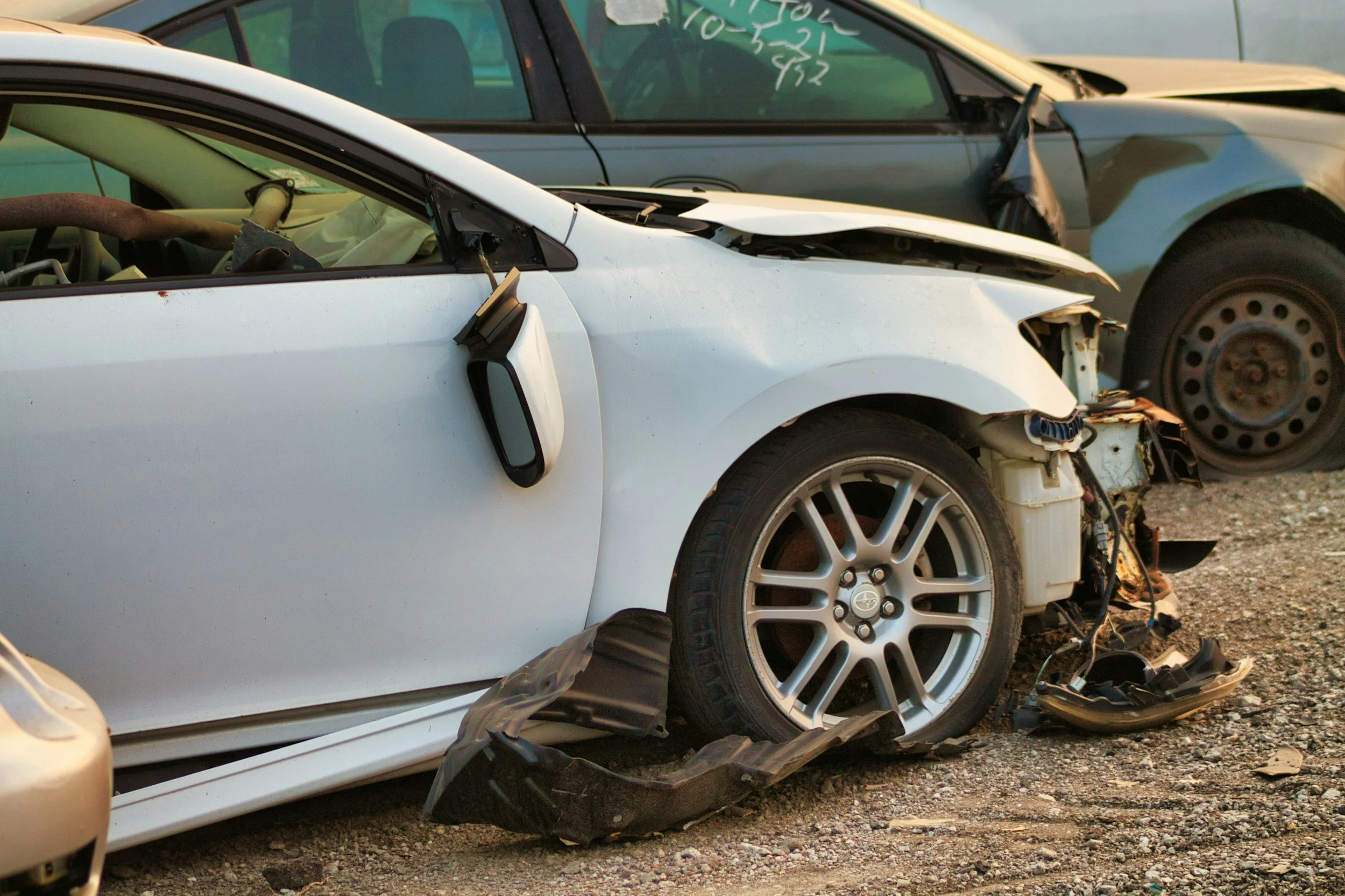
Every driver who has been in a collision eventually faces the same question: do I need a lawyer, or can I handle this on my own?
The honest answer is that it depends on the specifics of the accident. Some collisions are straightforward enough that a driver can negotiate directly with an insurance carrier and reach a fair result. Others involve factors that, without legal representation, consistently produce outcomes that leave the injured party undercompensated.
Knowing which situation you are in is the most important decision you will make in the weeks after a crash.
When You Probably Do Not Need a Lawyer
Not every accident calls for legal representation, and a good attorney will tell you that directly during an initial consultation. There are scenarios where the facts are clear enough that hiring a car wreck lawyer adds little practical value.
If the accident was minor, liability is uncontested, the other driver's carrier accepts full responsibility without dispute, your injuries required only a single medical visit with no ongoing treatment, and the settlement offer covers your out-of-pocket costs in full, then you may be in a position to resolve the claim on your own.
The key phrase there is "in full." That means the offer covers your emergency visit, any follow-up care, the repair or replacement of your vehicle, and any income you lost while you were unable to work. If all of those boxes are checked and the number the carrier puts in front of you covers them, a self-represented resolution is reasonable.
When the Math Changes
The situation shifts when any of the following are true.
Your injuries required more than one medical visit. Soft-tissue injuries, back and neck trauma, orthopedic damage, and head injuries frequently do not declare their full severity in the first 48 to 72 hours. A driver who accepts a settlement before completing treatment may close a claim for $8,000 when the actual medical cost ends at $35,000. Once a release is signed, that claim is closed permanently.
Liability is disputed. When the other driver, their carrier, or both contest who was at fault, the claim requires investigation: crash reports, witness statements, traffic or surveillance footage, and in some cases accident reconstruction. Insurance carriers conduct their own investigations with their own interests in mind. An unrepresented claimant is negotiating against a professional adjuster with access to those same materials.
A commercial vehicle was involved. Accidents involving 18-wheelers, delivery vehicles, or other commercial carriers introduce a separate layer of complexity. These cases involve federal motor carrier regulations, carrier liability policies that differ from personal auto coverage, and trucking companies whose legal teams begin working the case quickly after a reported incident. The timeline and the stakes are both higher than in a standard two-car collision.
The other driver had no insurance or fled the scene. Hit-and-run accidents and collisions with uninsured drivers require a different legal path. Compensation in these situations often comes through the injured driver's own uninsured motorist coverage, which requires its own negotiation process with the injured party's carrier.
You missed work. Lost income is a recoverable component of a personal injury claim, but documenting and arguing for it requires more than a pay stub. If your injuries kept you from working, that loss needs to be calculated, documented, and presented as part of the claim.
What Insurance Adjusters Do in the First 72 Hours
Understanding the insurance timeline helps explain why the early days after a collision matter as much as they do.
When a claim is reported, the at-fault driver's carrier assigns an adjuster and opens an investigation. That adjuster's job is to assess the claim and close it as efficiently as possible. Efficiency, from the carrier's perspective, means a settlement figure that resolves the claim before the full scope of the injured party's losses is documented.
Adjusters often contact injured drivers within 24 to 48 hours of an accident and request a recorded statement. That statement is used to shape the carrier's liability assessment. Injured drivers are not required to provide a recorded statement to the other driver's insurance carrier, and doing so before consulting an attorney carries real risk.
A car wreck lawyer engages with the carrier on the client's behalf, which removes the injured driver from that process entirely. The attorney manages communications, conducts an independent investigation, and negotiates from a documented position of the client's full damages rather than from an early estimate.
The Free Consultation Removes the Cost Question
One reason drivers hesitate to contact a personal injury attorney is the assumption that legal representation is expensive and upfront. In car accident cases, that assumption does not apply.
Personal injury attorneys who handle car wreck cases operate on contingency. No fees are charged for the initial consultation, and no legal fees are owed at any point unless the attorney recovers compensation on the client's behalf. If the case does not settle or win at trial, the client owes nothing.
That structure means the consultation itself costs nothing and obligates the driver to nothing. The attorney reviews the case, gives an honest assessment, and the driver decides whether to proceed. If the facts suggest the driver can reasonably handle the claim on their own, a straightforward attorney will say so.
The One Thing That Cannot Be Undone
Settlement releases are permanent. Once a claimant signs a release and accepts a payment, the claim is closed under that accident. There is no mechanism to reopen it if additional medical costs surface, if the original offer proves insufficient, or if a longer-term injury becomes apparent.
That finality is the primary reason injured drivers are advised to consult an attorney before signing anything, even if they ultimately decide to proceed without representation. The consultation costs nothing. The release is irreversible.
For drivers in San Antonio dealing with an accident claim, Eric Ramos Law, PLLC can help evaluate the case and explain the legal options available before you finalize a settlement. Taking that step before signing a release can be important because, once the agreement is executed, the opportunity to pursue additional compensation may be lost.
Media Contact:
Company Name: Eric Ramos Law, PLLC
Spokesperson: Eric Ramos
Phone: (210) 404-4878
Address: 40 NE Interstate 410 Loop #102
City: San Antonio
State: TX
ZIP Code: 78216
Country: United States
Website: https://ericramoslaw.com/
Social Media:
