
Eco-Friendly Home Construction Materials to Consider
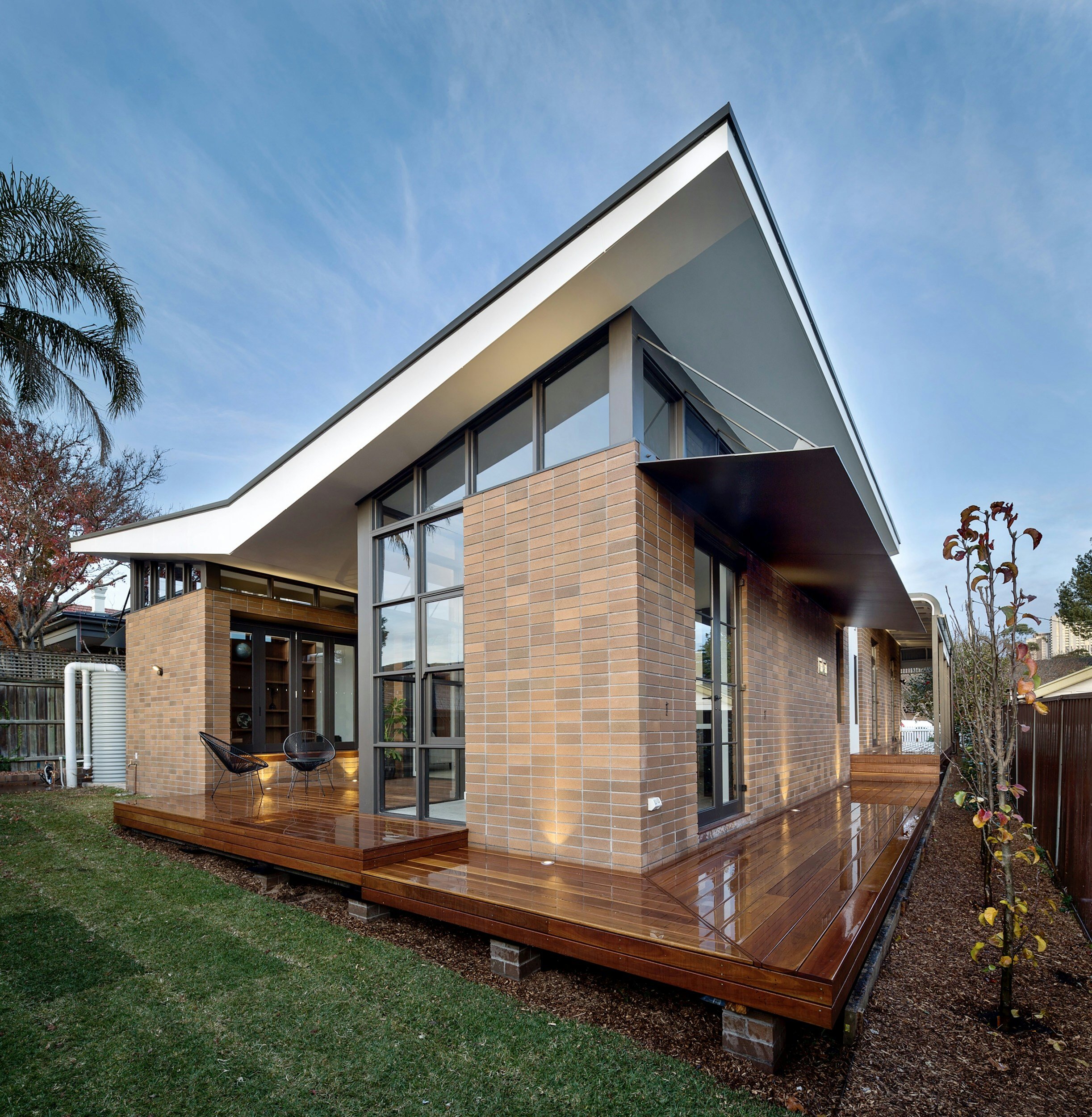
Choosing greener materials can lower a home’s carbon footprint, boost comfort, and cut operating costs. The main purpose is to use fewer high-carbon ingredients and more renewables or recycled inputs. This guide walks through practical options that work for new builds and deep retrofits.
Why Material Choices Matter For Climate And Comfort
Every product in a house carries hidden emissions from extraction, transport, and manufacturing. Add them up, and you get embodied carbon, which you can shrink with smart swaps. Lowering these impacts early pays off over the full life of the building.
A recent UN Environment report estimated that buildings and construction use about 32% of global energy and account for roughly 34% of energy-related CO2. That scale explains why material choices are a big lever. The same report noted progress but said deeper cuts are still needed to meet climate goals.
How to Evaluate Eco-Friendly Materials
For a thorough evaluation, ask what the product is made of, how far it traveled, and if it can be reused or recycled later. Durable, repairable items that come from renewable or recycled sources usually score well. Opt for sustainable timber, recycled steel, or low-carbon concrete, and weigh the strength, fire rating, and moisture resistance of each material. The right answer mixes materials rather than relying on one type.
Use clear metrics to guide the call. Embodied carbon per unit is one, while thermal performance and airtightness are others. Track these in a simple spreadsheet so the team sees impacts and prices side by side.
Embodied Carbon Basics and How to Cut It
Embodied carbon covers everything from raw materials to factory energy to site transport. For homes, structural systems and insulation are two high-impact categories. Switching these can drop totals fast.
Designing with timber can lower embodied emissions in a single building by around 20% to 60% compared with conventional choices. Results vary by design and sourcing, but that range shows why bio-based frames and panels deserve a hard look.
Quick wins to reduce embodied carbon:
Choose renewable structural materials where codes and engineers allow.
Favor mixes or products with verified low CO2 content.
Reuse components and keep layouts efficient to use less material.
Source locally to cut transport and packaging waste.
Specify products with Environmental Product Declarations.
Durability, Fire, and Codes of Timber
Wood is light, strong for its weight, and easy to work with. It can lock up biogenic carbon during its service life. Success depends on good detailing and moisture control from day one.
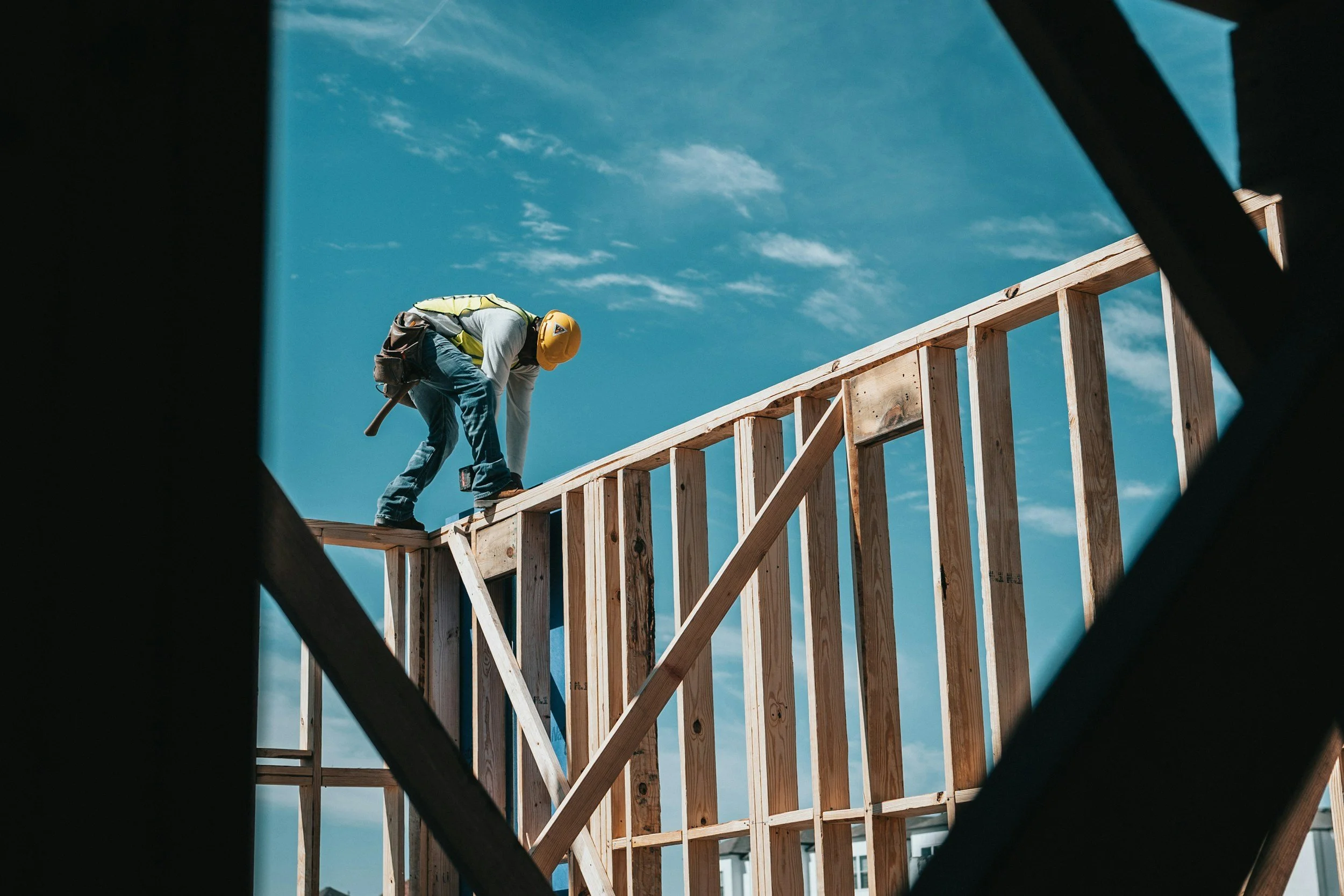
Protect timber from bulk water with solid flashing, rainscreens, and vented cavities. In wildfire or high-risk zones, use rated assemblies and keep defensible space clear. Coordinate early with local officials and the engineer so species, grades, and connectors meet code and performance needs. Any construction accident lawyer will tell you how bad things can get when the right materials and procedures aren’t used, so it important to go about things properly.
Cellulose Insulation
Insulation choices shape both comfort and embodied carbon. Dense-pack cellulose and blown-in products can deliver high R-values and fill irregular cavities. They even support quieter rooms thanks to good sound damping.
Cellulose insulation uses roughly 85% recycled wastepaper by content. That high recycled share is a simple way to turn local waste into thermal performance. Combine cellulose with careful air sealing, and you cut heating and cooling loads right away.
Hemp, Straw, and Clay Are Natural Wall Systems
Plant-based binders and fibers can act like tiny carbon banks. Straw bale, hemp-lime, and clay plasters regulate humidity well and reduce the need for plastics. They shine in projects that value healthy indoor air and a calm acoustic profile.
Buildability is key. These systems need trained crews, dry storage, and realistic schedules for curing and finishing. Pair them with simple rooflines and good overhangs so walls stay dry and durable.
Practical Steps for Your Project Team
Turn goals into specs and submittals early. Ask suppliers for third-party documents like EPDs and recycled content letters. Keep a short list of acceptable alternates so bids stay competitive.
Action checklist for design and build:
Set a carbon budget for structure, insulation, and finishes.
Pick one hero swap per category, like timber framing or cellulose.
Require EPDs in the spec and track embodied CO2 in reviews.
Plan details for moisture, fire rating, and air sealing.
Confirm local code paths and inspection milestones.
Build tight and ventilate right. A steady supply of fresh air through a well-sized system keeps humidity and pollutants in check. When the envelope performs well, you can downsize equipment and save space and money.
No material is perfect in every role. The best projects match materials to the job they do well, including structure, enclosure, or finish, and avoid overengineering. Keep it simple, verify in the field, and let the house do more with less.
Related:
