
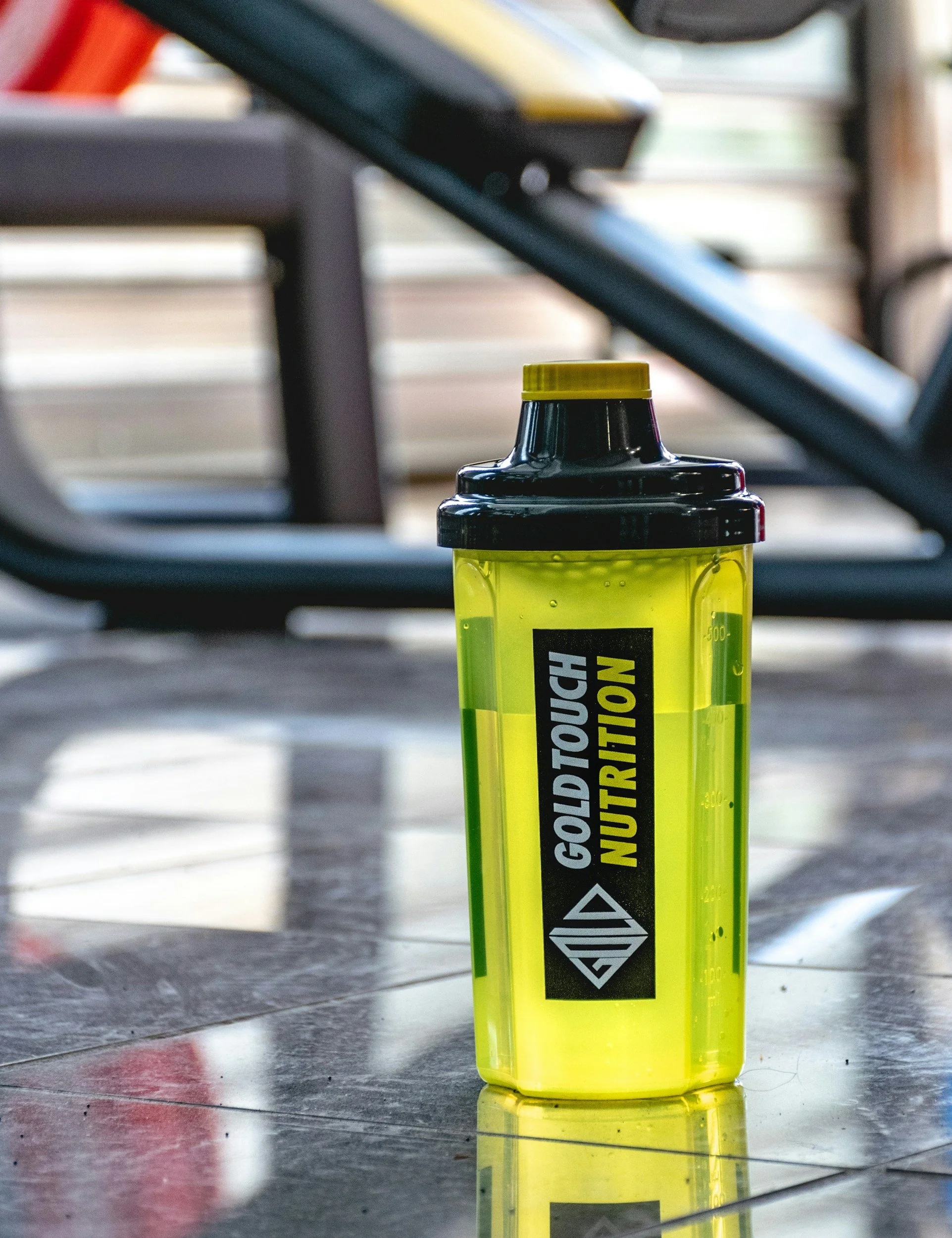
The workout window for most dads is small. It might be 30 minutes before the kids wake up, a lunch break, or an hour after bedtime. Hydration is usually the last thing on the list, which is how a good session ends with a headache, a dry mouth and a vending machine run.
Before you grab whatever is in the cooler, it helps to know what you are actually choosing between.
What electrolytes do, and when you need them
Electrolytes are minerals such as sodium and potassium that help your body manage fluid. You lose some of them in sweat. For a short, easy session, plain water usually covers it. Once workouts get longer, hotter or sweatier, replacing some of what you lose becomes more useful. That is the whole reason sports drinks exist.
A simple rule of thumb: if you finish a workout with salt marks on your shirt or your hat, you sweat heavily and an electrolyte drink may be worth having. If you walk the dog and lift for 30 minutes in a cool garage, water is probably fine.
The sports drink problem
Sports drinks work, and they are convenient. The tradeoff is on the label. Many standard bottles carry 20 grams of sugar or more, plus the calories that come with it. That is built for athletes burning through a long endurance session. For a dad doing 40 minutes of strength work before a work call, it can be more sugar than the workout called for.
They are also bulky. A bottle is another thing to carry, another thing to forget and another thing that gets warm in the car.
Why packets fit a busy schedule
Electrolyte packets flip the model. You carry a lightweight stick and add it to the water you already have.
They fit anywhere. Gym bag, desk drawer, glove box, the pocket of a hoodie.
You control the strength. Add one packet to 20 to 24 ounces of water, or use less if you like a lighter taste.
You decide what goes in. Many packets are sugar free, so you are not adding sugar you did not mean to.
They do not need a cooler. No ice, no spoiling in a hot car.
What to look for on the label
Whatever you buy, check four things:
Sodium and potassium. These are the electrolytes that matter most for sweat.
Sugar. If you are not training for hours, look for zero or very low.
Sweeteners. If you want to avoid artificial ones, read the ingredient list, not just the front of the box.
Calories and caffeine. Some mixes include caffeine, so check before an evening workout.
A sugar free option worth knowing about
If you want to try the packet route, sugar free electrolytes are the easiest place to start. True Citrus's wellness mixes, including True Lemon Defend, have zero sugar, no artificial sweeteners and 600 milligrams of electrolytes from sodium and potassium in each packet. Defend has 15 calories, and you stir one packet into 20 to 24 ounces of water. Two of the three mixes contain caffeine from green tea (Elevate has 120 milligrams and Curb has 30), so read the label on the one you pick.
When a sports drink still makes sense
If you are running for more than an hour, playing a long game in the heat or stacking back-to-back sessions, you may need carbohydrates as well as electrolytes. In that case a traditional sports drink, or a packet plus real food, is a reasonable choice. Packets are not meant to replace fuel for long endurance efforts.
A quick note on health
If you have high blood pressure or kidney disease, or have been told to limit sodium, check with your doctor before adding electrolyte products.
The gym bag checklist
A reusable bottle
One or two electrolyte packets
A towel
A protein snack if you are training hard
Pack the packet the night before and the vending machine loses.
