
Emergency Preparedness for Travelers
Traveling to new places offers incredible opportunities for growth, connection, and adventure. However, the very nature of travel involves stepping into the unknown, which can sometimes bring unexpected challenges. A proactive approach to safety and preparedness doesn't diminish the spontaneity of a trip; instead, it provides a solid foundation that allows you and your family to explore with confidence. Thinking through potential issues beforehand frees up your mental energy to be present and enjoy the moment, knowing you have a plan for whatever comes your way.
Packing an Emergency Kit
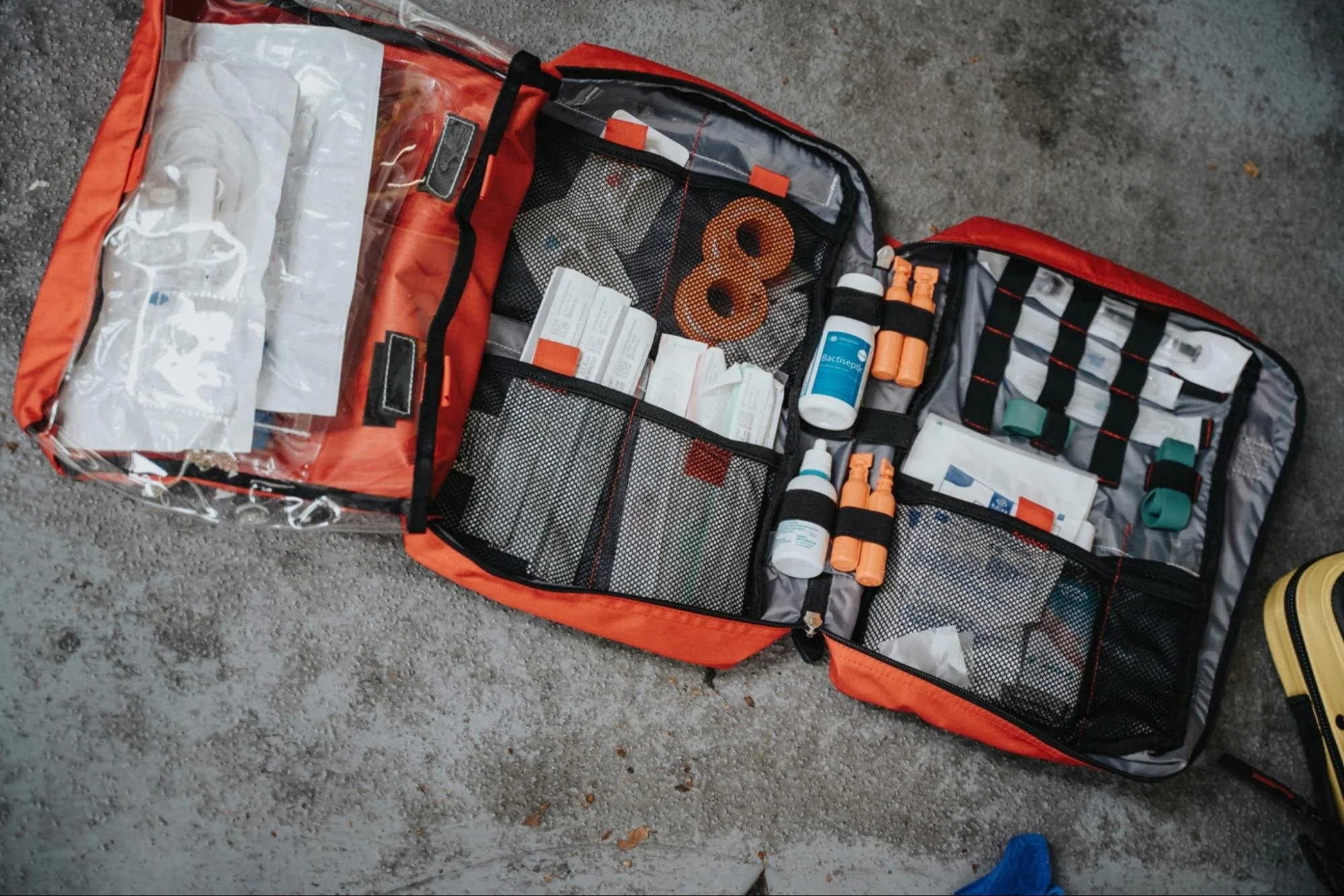
A well-stocked emergency kit is one of the most practical steps you can take before any trip. While you can’t plan for every possibility, having a small collection of essential items can resolve minor issues quickly and provide critical support during more serious situations. Your travel kit doesn’t need to be bulky. It should be a compact, curated selection of supplies tailored to your destination and your family’s needs.
Start with basic first-aid supplies. This includes adhesive bandages of various sizes, antiseptic wipes, antibiotic ointment, gauze pads, and medical tape. Also include common over-the-counter medications like pain relievers, antihistamines for allergic reactions, and medication for stomach upset. If anyone in your family requires prescription medication, pack more than you think you'll need in case of travel delays. Keep all medications in their original containers to avoid issues at security or customs. Creating a comprehensive family emergency kit ensures you have everyone's specific needs covered.
Beyond medical items, consider practical tools. A small LED flashlight or headlamp is invaluable during a power outage. A portable power bank can be a lifesaver when your phone battery is low and you need to access maps or contact someone. It's also wise to have waterproof bags for electronics and paper documents. For a more complete list of items, organizations like the Red Cross offer excellent guidance on general survival kit supplies. Finally, pack physical copies of important documents: passports, driver's licenses, birth certificates, hotel reservations and travel insurance details. While digital copies are great, you can't access them if your phone is lost or out of battery.
Contingency Plans for Belongings
Managing your luggage and personal items is a major part of travel logistics and it's also a key area of vulnerability. Losing a bag or having something stolen can quickly derail a trip. That’s why having contingency plans for your belongings is just as important as packing an emergency kit. These plans can range from how you pack to what you do with your bags during awkward gaps in your itinerary.
First, consider travel insurance that specifically covers lost or stolen baggage. Read the policy carefully to understand the coverage limits and the process for making a claim. When you pack, use packing cubes to keep items organized and consider splitting clothes and essentials between different bags. That way, if one suitcase is lost or delayed, you won’t be left without any clean clothes. Always keep irreplaceable items like medication, electronics, jewelry, and important documents in your carry-on bag, never in checked luggage.
One common problem travelers face is the time between checking out of a hotel and a late flight or train departure. Dragging suitcases around a city for hours is not only inconvenient but it also makes you a target for theft. Instead of limiting your last day of exploration, you can find a secure place to leave your things. For example, if you're traveling through the Netherlands, you can store your bags in Amsterdam city centre and enjoy your final hours hands-free. Using a dedicated storage service gives you the freedom to visit one last museum or enjoy a relaxed meal without worrying about your possessions.
Digital Safety While Away
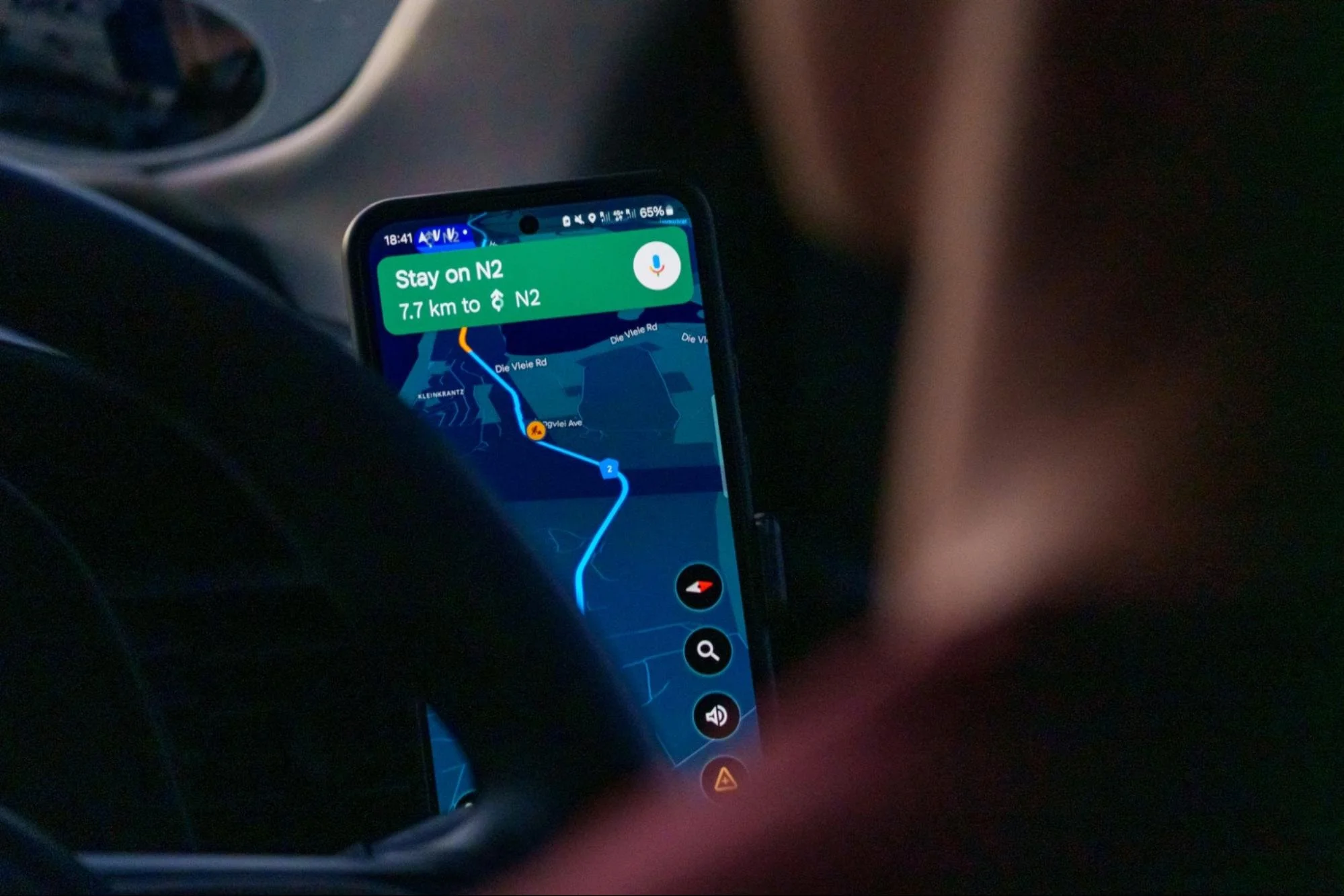
In our connected world, your digital information is as valuable as your physical belongings. Travelers are often reliant on public Wi-Fi networks in cafes, hotels, and airports, which can expose them to security risks. Protecting your personal data requires a few simple but effective habits.
The most significant step you can take is to use a Virtual Private Network (VPN). A VPN encrypts your internet connection, creating a secure tunnel for your data. This makes it extremely difficult for anyone on the same network to intercept your information. Before you travel, install a reputable VPN app on your phone, laptop, and tablet and get into the habit of turning it on whenever you connect to a public network. This is especially important when you're accessing sensitive accounts like online banking or email.
You should also take a moment to review the security settings on your devices. Enable passcodes or biometric locks on all your gadgets. Turn on "Find My" features, which can help you locate a lost or stolen device and remotely erase its data if necessary. Be wary of public charging stations, as some can be modified to steal data, a practice known as "juice jacking." It's safer to use your own power bank or a standard wall outlet. Taking steps to protect your privacy on public Wi-Fi is a simple habit that provides a powerful layer of security for your digital life while you're on the road.
Staying Informed and Aware
One of the best tools for emergency preparedness is information. Being informed about your destination and maintaining situational awareness throughout your trip can help you avoid potential problems and respond effectively if a situation arises. This process begins long before you leave home.
Start by researching your destination's local laws, customs, and any current travel advisories. Government websites are an excellent resource for this. For U.S. citizens, the State Department's website provides detailed country-specific information on safety and security concerns. You can also enroll in the Smart Traveler Enrollment Program (STEP). This free service allows you to register your trip with the nearest U.S. Embassy or Consulate. In an emergency, this helps the embassy contact you and provide assistance. Many other countries offer similar registration services for their citizens.
Once you arrive, stay aware of your surroundings. Pay attention to local news reports and be mindful of your environment, especially in crowded tourist areas where pickpocketing can be common. Share your itinerary with a friend or family member back home and check in with them periodically. It's also helpful to learn a few key phrases in the local language such as "hello," "thank you," "help," and "I need a doctor." Knowing how to ask for assistance can make a significant difference in a stressful situation.
What to Do in a Crisis
Even with the best preparation, a crisis can still occur. Whether it's a lost passport, a medical issue, or a larger-scale event, your ability to remain calm and act decisively is crucial. Having a clear mental framework for what to do can help you manage stress and take the right steps.
If you lose your passport, your first action should be to contact your country's nearest embassy or consulate. They are equipped to help you secure a replacement travel document. It's helpful to have a digital and physical copy of your passport's information page, as this will speed up the process. Report the loss to local police, as you may need the police report for insurance or identity verification purposes.
For a medical emergency, know the local equivalent of 911. You can usually find this information online before your trip and save it in your phone. Have your travel insurance information readily accessible, not buried at the bottom of a suitcase. Your insurance provider often has a 24/7 hotline that can direct you to approved medical facilities and advise on next steps.
In the event of a natural disaster or significant civil unrest, your priority is to find a safe place and follow the instructions of local authorities. Use the information from your embassy or consulate registration to receive updates and guidance. Contact your family back home as soon as it is safe to do so to let them know your status. The key in any crisis is to focus on the immediate next step rather than becoming overwhelmed by the entire situation.
Ultimately, preparing for the unexpected is about empowering yourself. By taking these thoughtful steps before and during your travels, you're not planning for a bad trip; you're ensuring a great one. This foresight allows you to handle bumps in the road with grace and focus on what truly matters: creating lasting memories with your loved ones.
