
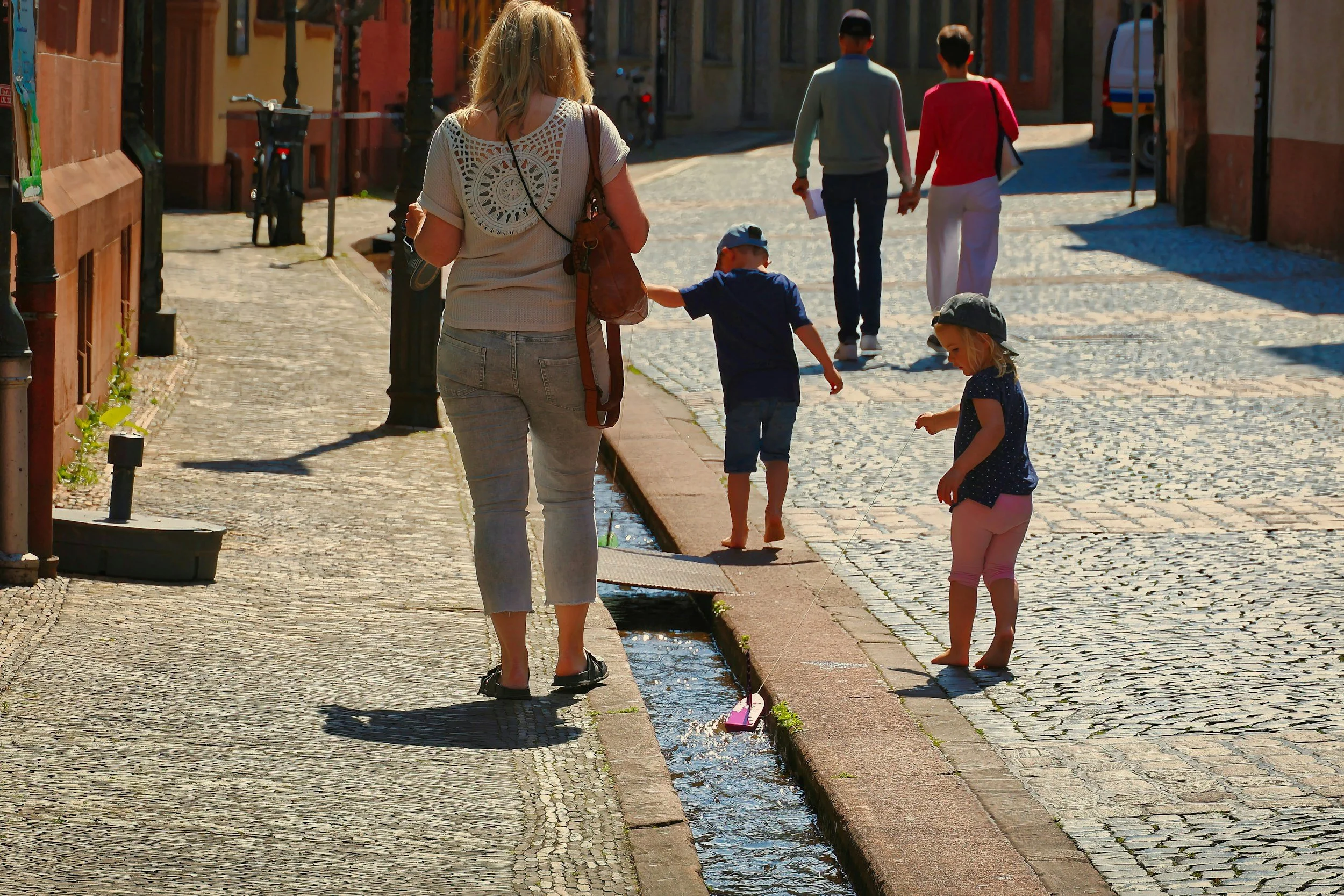
Family trips are a great chance for children to see more of the world, try new things, and learn outside the classroom. But let's be honest. Asking a child to spend two hours looking at old buildings or listening to dates from the past can be a tough sell. Before long, they may be asking when it's time for ice cream!
The trick is to make history and culture feel like part of the adventure. When children can explore, ask questions, taste local food, and hear fun stories, they are more likely to stay interested. Research also supports the value of shared exploration. A 2023 review of 48 studies on young children's museum experiences found that curiosity can grow when children explore objects and spaces with adults, talk about what they see, and have some freedom to explore.
A family trip to a historic city like Bordeaux, France, can offer plenty of chances to do this. Here are six ways to make history and culture more interesting for children while traveling as a family.
1. Tell Stories Instead of Giving History Lessons
Children often connect with stories more easily than long facts and dates. So, when you visit an old castle, church, or town square, try to explain what happened there through a simple story.
You could talk about a king who lived in the castle, a family who ran a shop hundreds of years ago, or people who used to gather in the town square. Give the people names and explain what their daily lives might have looked like.
You can even ask your children to imagine what they would do if they lived in that time. Would they be a baker, a soldier, or a shopkeeper? These small questions help bring the past to life and give children a reason to care about what they are seeing.
2. Let Children Take the Lead During Sightseeing
A family trip should leave room for children to make choices. Instead of planning every stop yourself, let them help decide what to explore.
Before leaving the hotel, show them a few photos of local landmarks, parks, or museums. Ask which places look interesting and let them choose one or two stops. Older children can even help read a map or find the next place to visit.
You can also give them a small travel challenge, such as finding the oldest building on your route or spotting a statue of an animal. Having a little responsibility makes children feel involved, rather than like they are simply following adults around all day.
3. Turn Famous Landmarks Into a Treasure Hunt
Looking at buildings can get boring when children do not know what to look for. A simple treasure hunt can change that.
Before visiting a historic area, make a short list of things for your children to find. These could include:
A building with a funny face carved into the wall
An old clock or large tower
A statue of a famous person
A bridge with an interesting shape
A symbol or design that appears on several buildings
As they explore, explain why these details were added and what they tell us about the people who lived there. In Bordeaux, for example, children can look for grand stone buildings, old squares, and details around the historic center.
UNESCO added Bordeaux, known as the Port of the Moon, to its World Heritage List in 2007. The city is recognized for its historic architecture and more than 2,000 years of cultural exchange. UNESCO's description of Bordeaux gives parents a good starting point for finding simple stories to share with children.
4. Use Local Food to Teach Children About Culture
Food is one of the easiest ways to help children understand a new place. Every region has its own dishes, cooking styles, and food traditions, and trying them can become a fun part of the trip.
Take your children to a local market or bakery. Let them choose a pastry they have never tried before or watch how a local dish is prepared. You can explain how certain foods became popular and why people in that area enjoy them.
In Bordeaux, families can explore local markets and try French treats such as canelés, small pastries with a soft center and a dark, crisp outside. Ask your children to compare the taste with something they eat at home.
You could even make a family rule that everyone must try one new food during the trip. They do not have to love everything, of course. The fun is in trying something different.
5. Join a Guided Walk to Make History Easier to Understand
Sometimes, parents can run out of answers when children start asking questions about a city's past. This is where a local guide can help. A good guide can explain the meaning behind a building, share stories about local people, and point out details that families might miss when exploring alone.
For example, families can join Bordeaux Free Walking Tours to discover the city's history and culture through an engaging guided experience. The experience offers a chance to see well-known places such as Place de la Bourse and the Miroir d'Eau while learning more about the city.
The site's small group format also gives visitors room to interact with the guide and ask questions. Parents should check the tour length, walking distance, and age suitability before booking, especially when traveling with younger children.
6. Create a Travel Journal to Keep the Learning Going
Children do not have to remember every date or name they hear during a trip. What matters is giving them a way to think about what they saw and enjoyed.
A simple travel journal can help. Ask each child to draw a favorite building, write down a new word, or stick in a ticket from a museum visit. Younger children can use pictures, while older ones may enjoy writing short notes about each day.
At the end of the trip, look through the pages together. Ask what surprised them, which place they liked most, and what they would tell a friend about the destination. This also gives families a nice keepsake to look back on long after the holiday is over.
Conclusion
Making history and culture interesting for children does not require a packed schedule or long lessons. A few stories, fun challenges, local food, and time to explore can turn ordinary sightseeing into a family adventure.
The goal is to help children feel part of the journey. Give them room to ask questions, make choices, and discover things at their own pace. You may find that the best family travel memories come from the little discoveries along the way.
