
First Seizure MRI: Why Doctors May Look for a Brain AVM or Other Structural Cause
A first seizure can leave everyone searching for an explanation. The person may not remember what happened. A family member may describe shaking, staring, confusion, collapse, or a period afterward when the person seemed unlike themselves. Once the immediate fear settles, the next question usually becomes: why did this happen? That is where imaging may enter the workup. A seizure can have many possible causes, and one goal of evaluation is to look for signs that something structural in the brain contributed to the event.
Why a First Seizure Needs a Careful Workup
A first seizure does not automatically mean a person has epilepsy. It does mean the event needs to be taken seriously and reviewed by a medical professional. The doctor may ask what happened before, during, and after the episode. They may ask about fever, medications, alcohol, sleep deprivation, head injury, infection, prior neurological symptoms, family history, and any recent changes in health. Testing may include blood work, EEG, CT, MRI, or other evaluation depending on the situation. The goal is to separate a provoked seizure from an unprovoked seizure and to look for warning signs that need urgent attention. Someone researching MRI for seizures after a first seizure is usually trying to understand why a doctor may want brain imaging even when the person feels normal again.
What MRI Can Help Doctors See
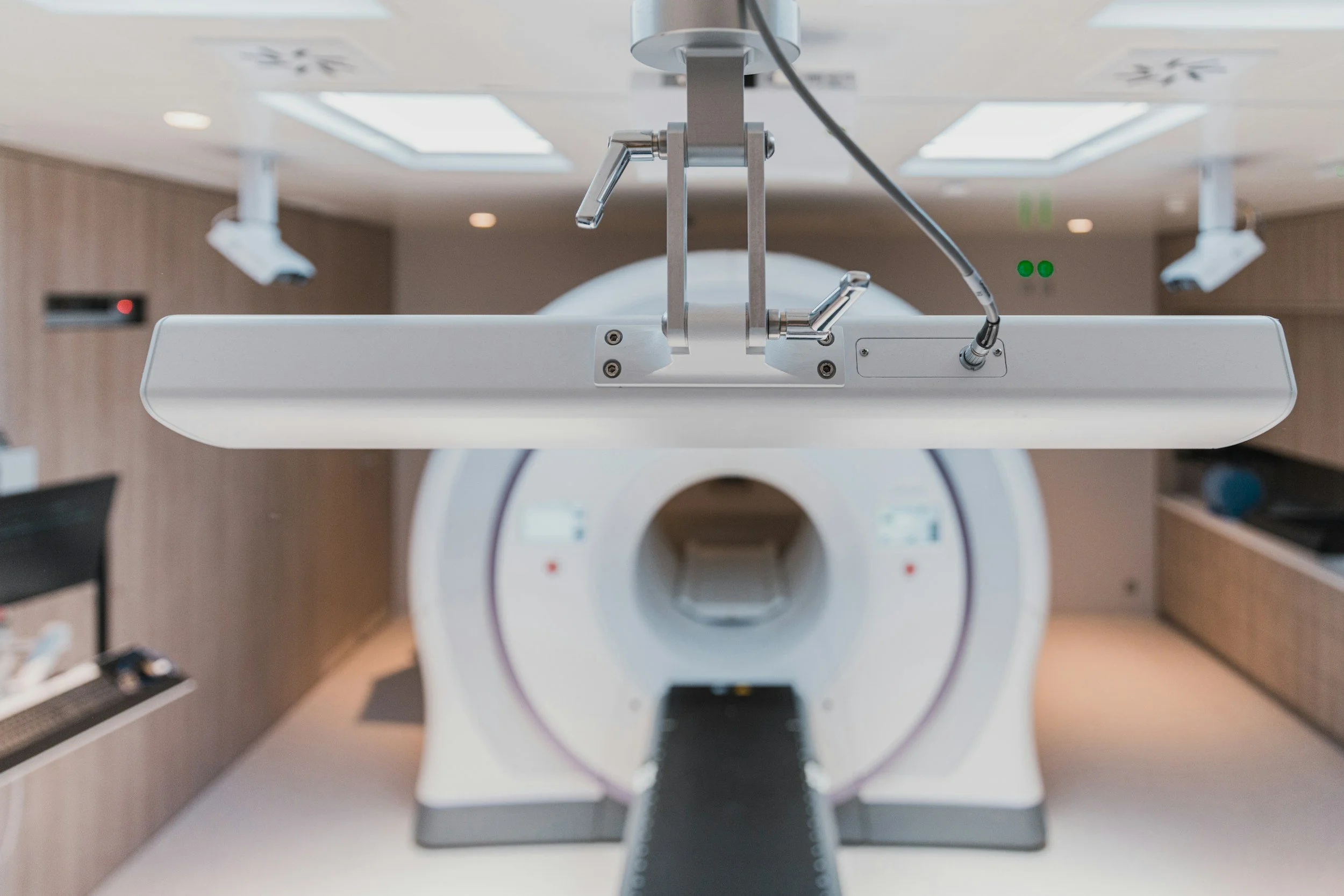
MRI can show brain structures in detail. It may help doctors look for tumors, scarring, prior injury, malformations, stroke changes, bleeding, infection-related changes, or other abnormalities that could be linked to seizure activity. CT may be used in urgent settings, especially when bleeding, trauma, or emergency causes must be ruled out quickly. MRI may provide more detailed information when the situation allows. Imaging does not always find a cause. A person can have a seizure and normal imaging. But when imaging does find something relevant, the next steps may change significantly.
Why a Brain AVM May Be Part of the Conversation
A brain arteriovenous malformation, or AVM, is an abnormal tangle of blood vessels. It creates unusual connections between arteries and veins. Some AVMs cause symptoms. Others are discovered unexpectedly. A person reading about brain AVM symptoms and when treatment may be needed may be doing so after a seizure, headache, scan finding, or bleeding event. That makes sense because seizures can be one possible way a brain AVM becomes known. AVMs are not the most common reason for a first seizure, but they are one reason imaging can matter. If an AVM is present, the medical question becomes more specific: where is it, has it bled, what symptoms has it caused, and what treatment risks apply?
Brain AVM Symptoms Can Vary
A brain AVM may cause no symptoms before it is found. In other cases, symptoms may include seizures, headaches, weakness, numbness, vision changes, speech problems, confusion, or signs of bleeding in the brain. If an AVM ruptures, it can cause hemorrhage, stroke-like symptoms, severe headache, neurological decline, or loss of consciousness. That is an emergency. The symptoms depend on location, size, blood-flow pattern, bleeding history, and whether nearby brain tissue is affected. Two people with AVMs may have very different experiences.
The Scan Finding Is Only the Beginning
Finding a brain AVM does not automatically mean one treatment path. Doctors have to look at the AVM’s size, location, drainage pattern, bleeding history, symptoms, and the person’s overall health. Treatment options may include observation, medication for symptoms such as seizures, microsurgery, embolization, stereotactic radiosurgery, or a combination of approaches. The right plan depends on the risk of the AVM and the risk of treating it. That is why a person should avoid assuming that “found on MRI” means “surgery tomorrow.” Sometimes treatment is urgent. Sometimes the decision is complex and requires careful review by a neurosurgical or neurovascular team.
What Families Should Write Down After a First Seizure
The person who had the seizure may not remember the event, so witness notes matter. Families can write down:
What the person was doing before the event
Whether they reported a warning feeling, smell, taste, or visual change
Whether they lost awareness
Whether the body stiffened, shook, or turned to one side
How long the episode lasted
Whether breathing, color, or injury changed
How long confusion lasted afterward
Whether there was weakness, headache, speech trouble, or vision change afterward
This information can help the medical team decide which tests are most important.
When Symptoms Should Be Treated as Urgent
Some seizure situations need emergency care. A seizure lasting more than five minutes, repeated seizures without recovery, first seizure with injury, trouble breathing, pregnancy, diabetes, fever, stiff neck, severe headache, new weakness, or confusion that does not improve should be treated urgently. Severe sudden headache, one-sided weakness, speech trouble, vision loss, or loss of consciousness may point to bleeding or stroke-like concerns and should not wait. If a brain AVM is already known, new seizure activity, sudden headache, or new neurological symptoms should be reported promptly.
Questions Patients Often Ask
Does everyone need an MRI after a first seizure?
Not always in the same timing or setting, but brain imaging is often considered as part of the evaluation. The decision depends on age, symptoms, exam findings, seizure type, emergency concerns, and the doctor’s judgment.
Can a brain AVM cause seizures?
Yes. A brain AVM can cause seizures in some people. It may also cause headaches, neurological symptoms, or bleeding, though some AVMs are found before symptoms occur.
Does a normal MRI rule out epilepsy?
No. A person can have seizures or epilepsy with normal MRI findings. MRI is one part of the workup, not the whole diagnosis.
Does finding an AVM always mean surgery?
No. Treatment depends on the AVM’s size, location, symptoms, bleeding history, and treatment risks. Some cases require intervention, while others need careful monitoring and specialist review.
Before the Next Appointment
A first seizure should not be treated as a mystery that families solve alone. The details of the event, the medical history, the neurological exam, EEG results, and imaging can all matter. MRI may be part of that process because some causes cannot be seen from the outside. If imaging finds a brain AVM or another structural issue, the conversation becomes more focused and more serious. The goal is not to panic after one seizure. The goal is to understand why it happened, what risks remain, and which specialist should guide the next step.
Sources
American Academy of Neurology and American Epilepsy Society, Practice Parameter on First Unprovoked Seizure Evaluation Mayo Clinic, Seizure Diagnosis and Treatment National Institute of Neurological Disorders and Stroke, Arteriovenous Malformations Mayo Clinic, Brain AVM Symptoms and Causes
