
How Accurate Are Paternity Tests in Family Law Cases
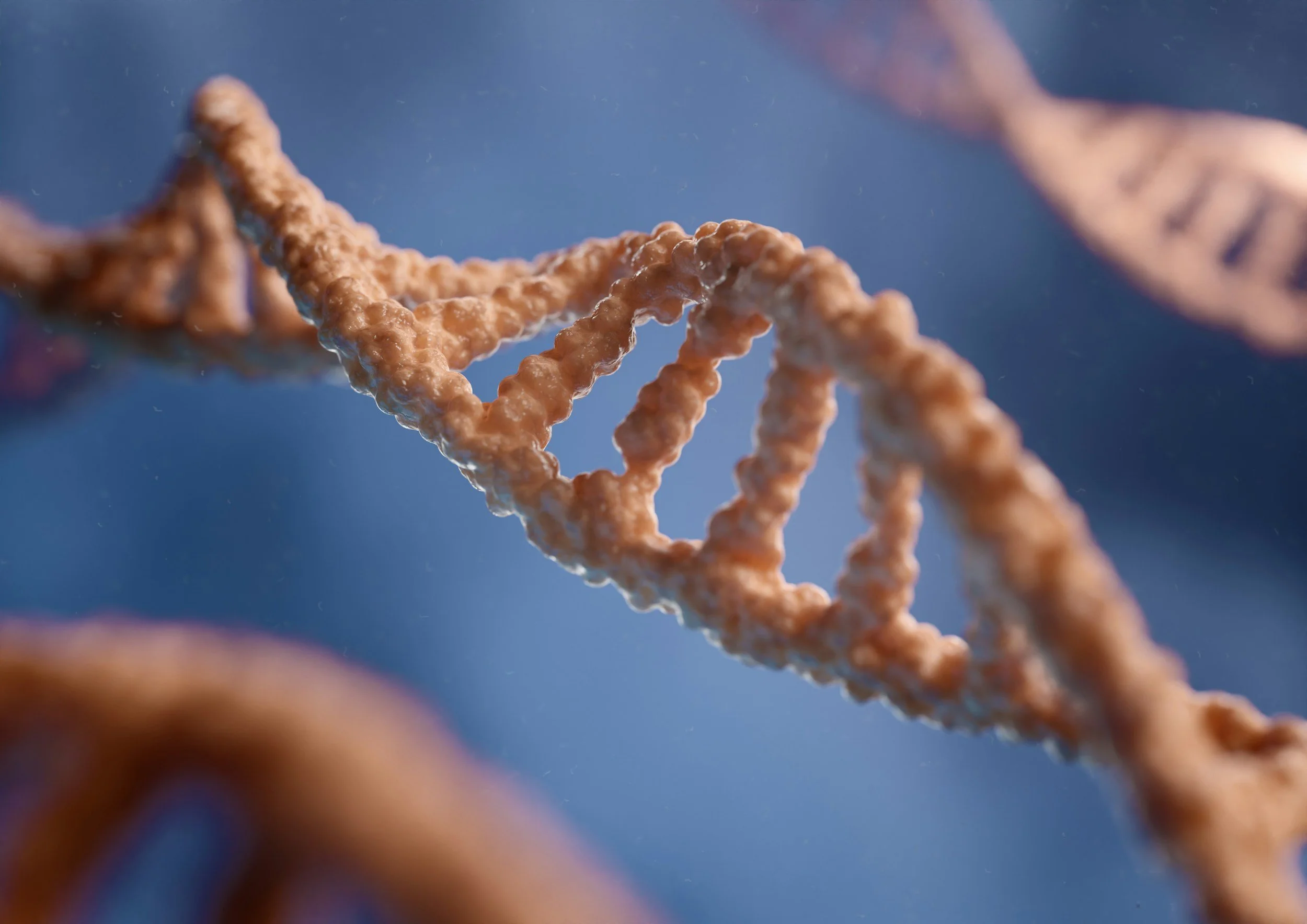
When questions about a child's biological father arise, a paternity test can provide important answers. Modern DNA testing is highly accurate, but the reliability of the result depends on proper sample collection, testing procedures, and the laboratory performing the analysis.
So, can paternity tests be wrong? In rare situations, problems such as contaminated samples, mistaken identities, or testing errors can affect the result. When paternity is connected to child support, custody, inheritance, or other family law issues, understanding how these tests work and how their results are used in court is especially important.
How Paternity Testing Works
A paternity test compares specific DNA markers from a child with those of the alleged father. Since a child inherits genetic material from both biological parents, scientists can examine these markers to determine whether the man's DNA is consistent with biological fatherhood.
Most modern tests use cheek swabs because they are simple, painless, and provide enough DNA for analysis.
The laboratory compares the genetic profiles and produces a report showing whether the tested man can be excluded as the biological father and, if not, the probability of paternity.
How Accurate Are DNA Paternity Tests?
Modern DNA paternity testing is extremely accurate when the samples are collected and analyzed correctly.
A test can generally exclude a man who is not the biological father with a very high degree of certainty. When the genetic evidence supports paternity, laboratories commonly report a probability of paternity of 99.9% or higher.
The exact result, however, depends on the quality of the samples, the testing process, and the circumstances of the case.
When Can a Paternity Test Be Wrong?
Although errors are uncommon, they can happen.
One possible problem is sample contamination. If a sample is improperly collected, handled, or stored, it could affect the reliability of the testing.
Mistaken identity is another concern. If the wrong person provides a sample, the test cannot accurately determine whether that person is the child's biological father.
Laboratory mistakes are also possible, although established testing facilities use quality-control procedures to minimize these risks.
Can Close Relatives Affect Paternity Results?
Close biological relationships between men can sometimes make paternity testing more complicated.
For example, brothers share a significant amount of genetic material. If two brothers could potentially be the biological father, a standard test may require additional analysis to distinguish between them.
The laboratory should be told about this possibility before testing so it can determine whether additional testing is necessary.
Legal Tests and At-Home Tests Are Different
A paternity test taken for personal information is not necessarily the same as one used in court.
At-home tests can provide useful results, but courts may require testing conducted under controlled conditions. Legal testing generally involves identity verification and documented procedures to establish that the samples belong to the people identified in the report.
If the results could affect a family law case, using a legally recognized testing process is important.
Why Chain of Custody Matters
Chain of custody refers to the documentation showing how DNA samples were collected, identified, transported, handled, and tested.
This documentation helps establish that the samples tested by the laboratory actually came from the individuals named in the report.
Without a proper chain of custody, another party may challenge the reliability or admissibility of the results.
What if Someone Disputes the Results?
If someone believes a paternity test is inaccurate, they should not simply assume the result cannot be challenged.
The laboratory report and testing procedures can be reviewed to identify potential problems. In some situations, another test may be appropriate.
When a paternity dispute is already part of a court case, an attorney can explain whether additional testing or another legal step may be available.
Why Paternity Matters in Family Law
Paternity can have consequences that go well beyond identifying a child's biological father.
Depending on state law and the circumstances, establishing legal paternity can affect:
Child support
Parenting time
Inheritance rights
Health insurance
Government benefits
For this reason, parents should understand both the scientific results and the legal consequences of establishing or challenging parentage.
Florida Law on Paternity Testing
State law governs how paternity is established and challenged.
In Florida, Florida Statutes § 742.12 addresses scientific testing to establish paternity and sets out procedures involving genetic testing.
The specific legal process can vary depending on whether both parents agree about paternity, whether a case is already pending, and whether a previous legal determination of parentage exists.
Key Takeaways
Modern DNA paternity tests are highly accurate when properly performed.
Testing can usually exclude a man who is not the biological father with a high degree of certainty.
Contamination, mistaken identity, and laboratory errors can affect results.
Close male relatives may require additional genetic testing.
At-home tests may not satisfy court requirements.
Legal testing generally includes identity verification and chain-of-custody procedures.
Paternity can affect custody, child support, inheritance, and other family law rights.
Florida Statutes § 742.12 addresses scientific paternity testing in Florida.
Disputed results may warrant a review of the testing process or additional testing.
