
How Businesses Actually Choose the Right Work Environment
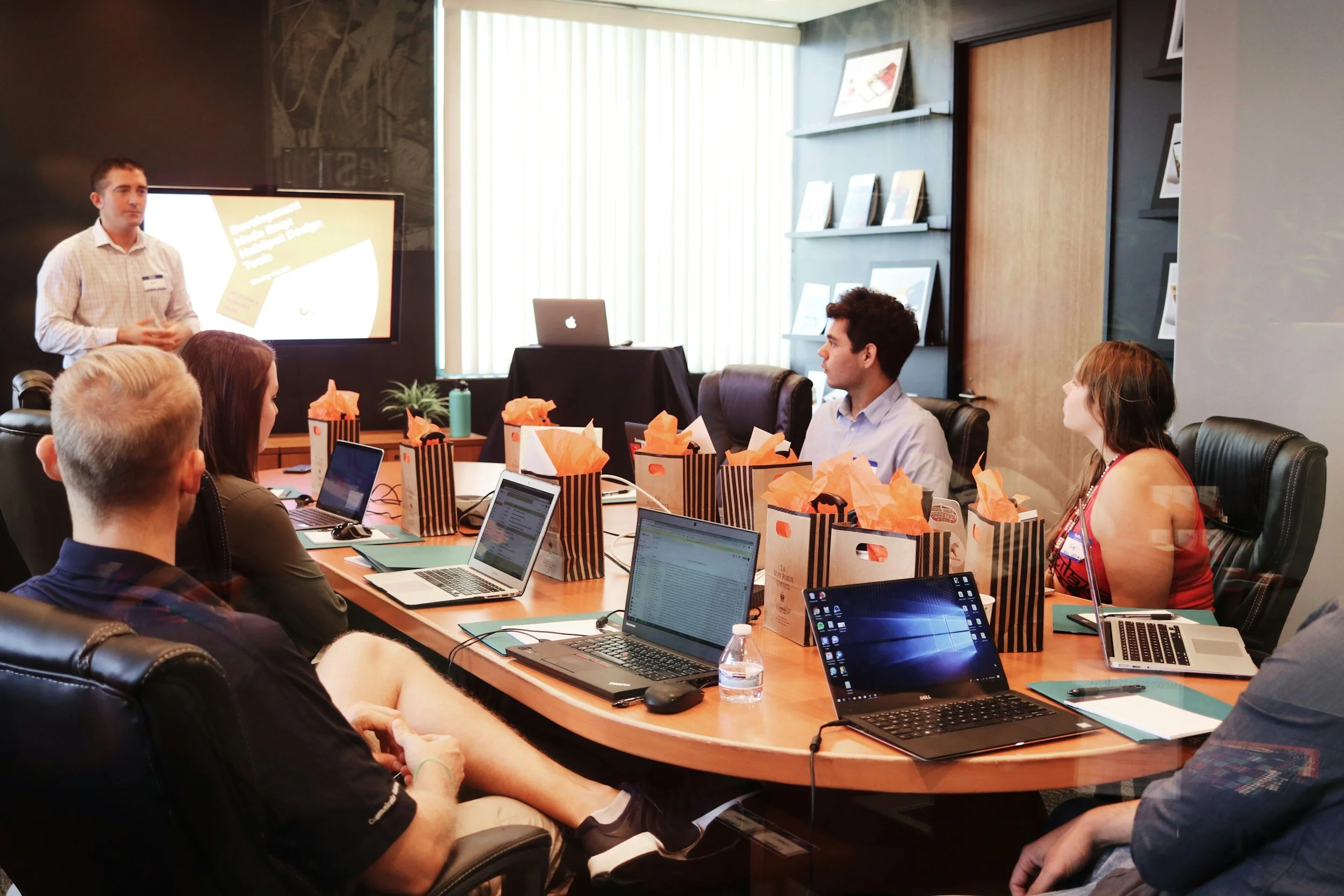
Here's something most business owners don't want to admit: picking where your team works isn't just a facilities problem. It's a strategy problem. The space, physical or otherwise, where your people spend forty-plus hours a week quietly determines whether they're energized, checked out, or somewhere uncomfortably in between.
And the numbers back this up hard. According to Gensler's 2025 Global Workplace Survey, employees who have a meaningful degree of choice in where and how they work are 2.5x more likely to say their environment supports both individual and team productivity. That's not a rounding error. That's a signal worth paying serious attention to before you sign your next lease or reconfigure another floor plan.
So how do companies actually get this right? Let's break it down.
Key Strategies for Picking the Right Work Environment
Great environmental decisions aren't accidental. They come from actually sitting with the problem, understanding what your team genuinely needs day to day, not what looks impressive in a design pitch.
Align the Environment With What Your Team Really Does
Knowing how to choose a work environment begins with watching your team work. Not in a surveillance way, in a curious, interested-observer way. What does a Tuesday at 2 pm look like? Are people heads-down coding, bouncing between calls, or running whiteboard sessions every other hour?
Work style preferences, team size, and collaboration intensity aren't boxes on a checklist. They're the real inputs. A dev team that needs four hours of uninterrupted flow every morning has almost nothing in common with a sales team juggling five prospect calls before lunch.
Whether you're building traditional or flexible setups, finding an office space that genuinely handles noise control, brings in natural light, and offers ergonomic furniture can silently eliminate friction your team didn't even know was slowing them down. These aren't nice-to-haves. They're functional necessities hiding in plain sight.
Don't Forget the Digital Environment
The best work environment for business isn't the most expensive one. It's the most intentionally designed one. Location affects commute burden and talent access. Layout shapes whether spontaneous collaboration actually happens or just gets talked about in all-hands meetings.
But here's what often gets skipped: digital infrastructure. Fast, stable connectivity. Tools that reduce repetitive coordination. These are as much a part of your environment as the furniture is. Ignore them, and you'll wonder why everything feels slightly broken even in a beautifully designed space.
Let Culture Drive the Physical Design
Choosing workplace culture and choosing a physical space are deeply intertwined, more than most businesses realize until it's too late. A rigid, top-down culture crammed into an open hot-desk setup creates confusion, not collaboration. A creative team built on autonomy and spontaneity will slowly suffocate in a traditional cubicle grid.
Match the physical space to the cultural values you actually want to reinforce. That might mean flexible seating. It might mean private focus rooms scattered throughout an open floor. It might mean a communal kitchen that's genuinely worth gathering in. Whatever it is, make the physical space do some of the cultural work for you.
Innovative Environment Models Worth Knowing About
Once the foundational strategy is clear, there's a bigger question worth asking: are we optimizing an existing model, or do we need to rethink the model entirely?
Agile and Activity-Based Workspaces
Selecting the right work environment today often means seriously considering agile or activity-based approaches. Instead of assigned desks, these models create distinct zones, deep focus areas, collaborative brainstorming spaces, informal catch-up corners, and formal client meeting rooms.
Hot-desking and shared zones give teams the flexibility to match their space to their task on any given day. Companies that make this shift often see faster decision-making and stronger cross-team relationships. Not always immediately, but consistently over time.
Purpose-Driven Environments
This one's harder to quantify, but it's real. Embedding genuine organizational purpose into the daily environment, through workflows, recognition practices, and how physical space is designed, can lift employee motivation in ways that a pay increase simply can't replicate.
It's not about framing your mission statement artfully above the reception desk. It's about whether your employees wake up on a Wednesday morning feeling connected to something that matters. When that connection is real, engagement holds steady even during the ugly, difficult quarters. That's a competitive advantage that's genuinely hard to copy.
Healthy and Psychologically Safe Environments
One of the most underrated business work environment tips out there: treat psychological safety as seriously as physical ergonomics. Employees need to feel they can raise a concern, float a half-baked idea, or admit a mistake without bracing for consequences.
The research here is concrete. Gallup data shows that a strengths-based organizational approach, where people work in roles that align with their natural abilities, within environments that support them, can generate 23% higher employee engagement and 72% lower turnover. Those aren't marginal gains. Those are the numbers that change company trajectories.
A Practical Framework for Choosing Your Ideal Setup
Knowing the models is one thing. Actually implementing them without derailing your operations is where most businesses stall. Here's a framework that keeps it manageable.
Step 1: Do a Real Needs Assessment
Map what your team does most. How much of their week requires uninterrupted concentration versus active collaboration? Then, and this is critical, ask them directly. Employees surface friction that management simply doesn't see from the outside.
Skipping this step leads to environments designed around aesthetics rather than actual daily workflow. Beautiful, but quietly dysfunctional.
Step 2: Match Environment to Culture
Collaborative cultures need open layouts and communal spaces. Results-driven, market-focused cultures may need individual performance zones alongside shared strategy rooms. Map the environment to the culture you currently have, and nudge it toward the culture you're building toward.
Step 3: Pilot Before You Commit
You don't need a full renovation to test an idea. Create one agile zone. Trial a flexible desk policy with a single team. Redesign one meeting room around collaboration principles. Run it for a month, gather honest feedback, then evolve. Prototyping beats overcommitting every single time.
Step 4: Track What Changes
Monitor the indicators that actually matter: satisfaction scores, retention rates, productivity output, and absenteeism trends. Treat your environment as a living system, not a one-time installation. What works now may need adjusting in eighteen months. Build the habit of reviewing it.
The Real-World Payoff of Getting This Right
When businesses invest in the right environment, the returns show up across multiple dimensions.
Better Morale, Lower Turnover
When employees feel genuinely supported by their environment, not just tolerated by it, satisfaction climbs. Turnover drops. A well-matched space signals that leadership understands how people work and actually cares enough to act on it.
Faster Innovation and Adaptability
Agile, collaborative environments accelerate idea generation and make pivots less painful when market conditions shift. Teams working in spaces built for flexibility tend to move faster when it counts. And right now, that counts more than ever.
An Employer Brand That Attracts the Right People
Purpose-driven environments attract talent that wants mission alignment, not just a competitive salary. When your physical space and your cultural practices visibly reflect shared values, that becomes part of your employer's story, and stories travel faster than job postings.
Frequently Asked Questions
What are the five pillars of a strong work environment?
Clear vision and values, open communication, employee recognition, learning and development opportunities, and genuine well-being with work-life balance. These five create the conditions for sustainable, consistent performance.
What's the difference between a healthy work environment and an agile one?
A healthy environment centers on psychological safety, recognition, and well-being. An agile environment emphasizes spatial flexibility and adaptable workflows. Ideally? Both coexist within the same organization.
How does office space choice impact workplace culture?
The decision you make regarding office space directly shapes how employees behave. Open layouts encourage collaboration; private zones protect focus. When the chosen office space aligns with a company's cultural values, those values reinforce themselves organically through daily operations, without constant managerial nudging.
How can small businesses prototype new work setups affordably?
Rearrange one area. Trial flexible hours for a single team. Set up a temporary shared focus zone. Collect feedback after three or four weeks, then adjust. Meaningful prototyping doesn't require a renovation budget.
What simple steps improve remote team environments?
Establish clear communication norms, invest in reliable digital tools, encourage async collaboration, and recognize contributions regularly. Small, consistent improvements compound surprisingly fast when it comes to remote team engagement.
The Path Forward: Build Something That Actually Works
The right work environment doesn't arrive by default. Nobody stumbles into it. It gets built, deliberately, through real choices about space, culture, purpose, and the willingness to iterate when something isn't working.
Start where you are. Look honestly at your current setup. Ask your people what's creating friction. Then take one intentional step forward. Businesses that do this work consistently, not perfectly, end up with environments that attract stronger talent, support faster execution, and hold together when things get hard.
That's worth building for.
Related:
