
How Calgary Soil Conditions Impact Your Landscaping Design Choices
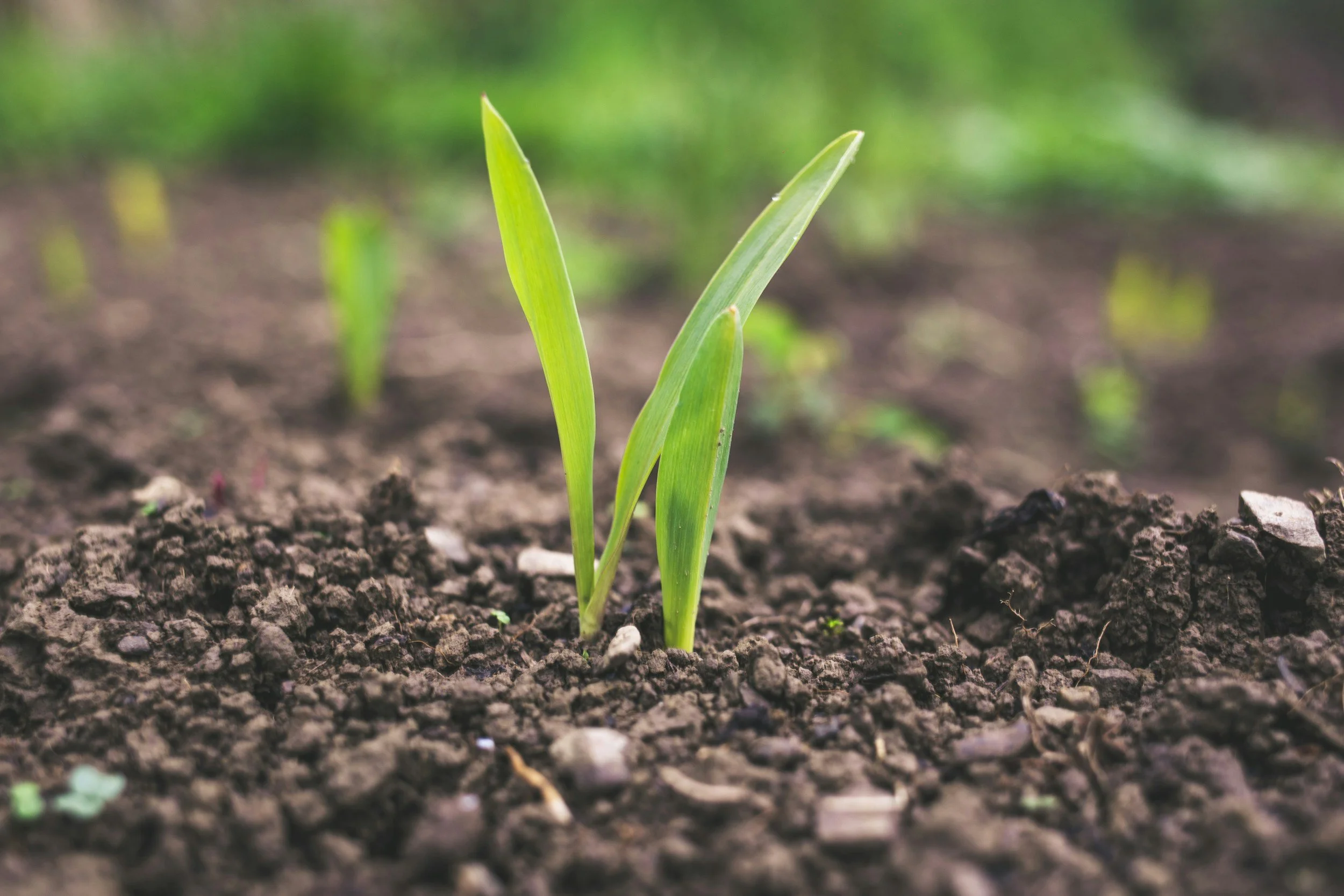
Understanding the local soil is one of the most important steps in creating a functional and visually pleasing outdoor space. In areas with diverse soil types, what lies beneath the surface often determines how plants grow, how structures perform, and how sustainable the design will be over time.
Understanding Local Soil Profiles
Soil composition can vary significantly even within a single neighborhood. Clay, loam, and sandy soils each have distinct properties that influence water retention, drainage, and nutrient availability. Knowing which type dominates your property helps guide practical decisions for planting, irrigation, and structural design.
Clay-heavy soils, for instance, hold more moisture but are prone to compaction. Sandy soils drain quickly yet struggle to retain nutrients. Loam, a balanced blend of sand, silt, and clay, is often ideal for most landscaping purposes. Testing the soil before planning ensures that your design aligns with its natural characteristics.
Drainage and Moisture Management
Proper drainage is critical in regions where freeze-thaw cycles and heavy rainfall can cause soil expansion or erosion. Poor drainage can damage roots, patios, and foundations. Adjusting the terrain with gentle grading or installing permeable materials helps prevent pooling and runoff problems.
When planning features like pathways, gardens, or patios, consider how water moves across your yard. A thoughtful deck design can incorporate elevated foundations or integrated drainage channels to maintain stability and longevity in changing soil conditions.
Plant Selection and Soil Adaptation
Choosing plants that naturally suit local soil conditions reduces maintenance and improves survival rates. In clay-rich areas, deep-rooted shrubs and native perennials often thrive because they tolerate dense, slow-draining soil. For sandy soils, drought-tolerant grasses and hardy groundcovers perform best.
Amending the soil with organic matter or compost can enhance its structure and water retention capacity. However, over-modifying the soil may disrupt its natural balance. Gradual improvement and careful selection of compatible plants yield the most sustainable results.
Structural Considerations for Outdoor Features
Decks, retaining walls, and stone pathways all interact with the soil beneath them. Uneven settling or shifting can occur if the base is not properly prepared. Understanding the weight-bearing capacity of local soil helps determine the right foundation type and materials for long-term stability.
Landscape professionals often recommend compacted gravel bases or reinforced supports where expansive soils are present. This approach ensures that structures remain level and durable throughout seasonal changes.
Working with Local Expertise
Experienced landscape contractors in Calgary are familiar with regional soil variations and climate influences. Their knowledge helps translate soil data into practical design strategies that balance aesthetics with environmental conditions. They can also identify potential challenges early, preventing costly adjustments later in the project.
Integrating Soil Knowledge into Design Planning
Every landscape benefits from planning that begins with the soil. Understanding texture, composition, and drainage patterns ensures that each element—from plant beds to hardscapes—functions as intended. By aligning design choices with natural conditions, outdoor spaces not only look beautiful but also remain resilient over time.
Thoughtful preparation and design integration turn local soil challenges into opportunities for creativity and lasting success. Whether building new features or revitalizing existing ones, awareness of soil behavior lays the foundation for a stable, healthy, and attractive landscape.
