
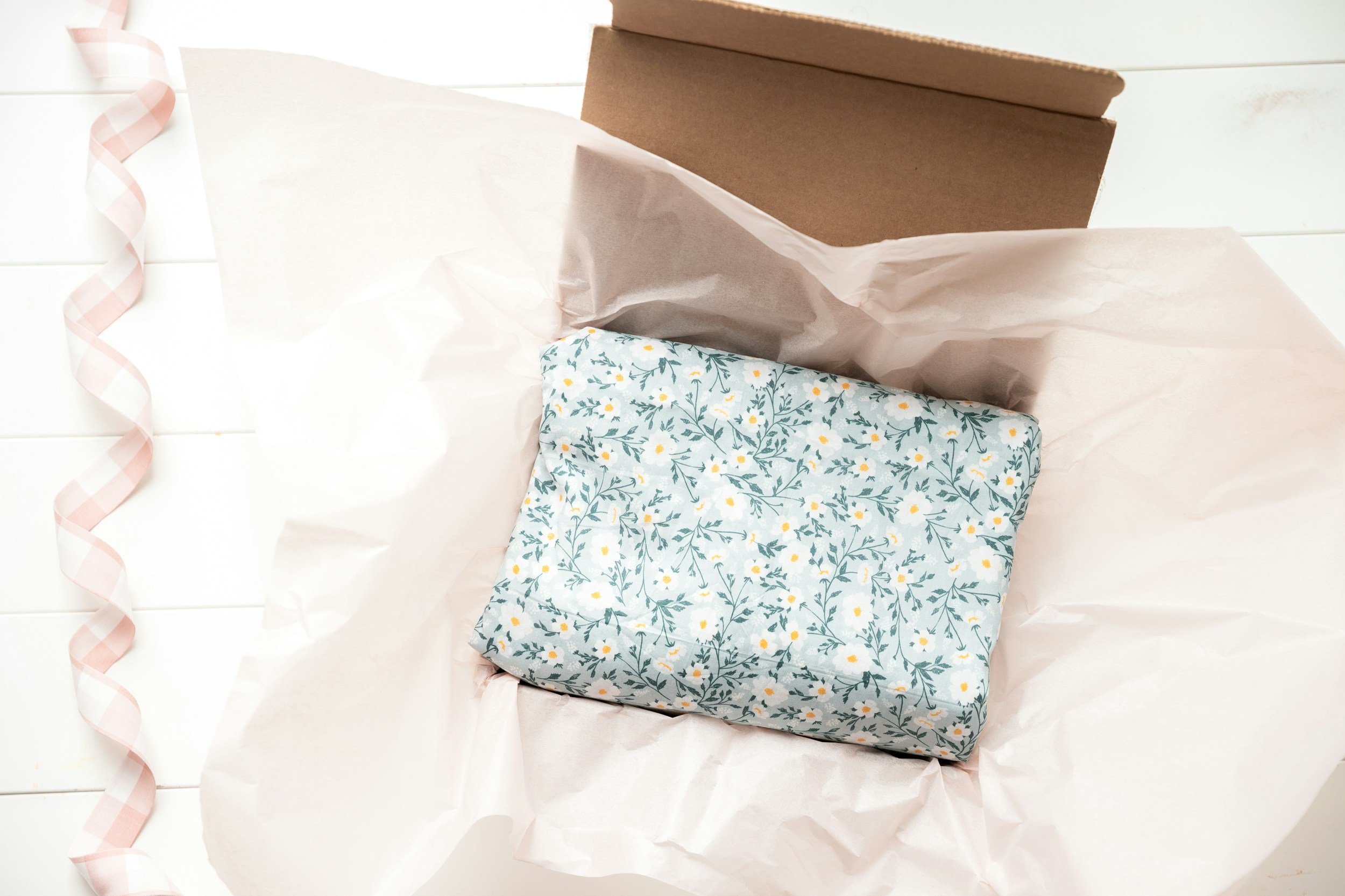
Starting an apparel business involves more than designing attractive clothing and finding customers. Packaging also plays an important role in how people experience your brand. Whether you sell T-shirts, hoodies, dresses, sportswear, or accessories, the way you present and deliver your products can influence customer satisfaction and brand recognition. Custom apparel packaging helps businesses create a consistent identity while protecting clothing during storage, shipping, and delivery.
If you are planning to introduce branded packaging for your clothing business, you do not need a huge budget or complicated strategy. With careful planning, suitable materials, and a clear understanding of your customers, you can create packaging that supports your business goals. Here are some practical steps to help you get started.
1. Understand Your Brand Identity
Before choosing packaging materials or printing designs, take some time to understand your brand identity. Your packaging should reflect the personality of your clothing business. For example, a luxury fashion label may prefer elegant boxes, neutral colours, and minimal designs. Meanwhile, a casual streetwear brand might choose bold graphics, colourful mailers, and creative typography.
Think about the message you want customers to associate with your products. Consider your brand colours, logo, typography, and overall visual style. Using these elements consistently across packaging makes your business easier to recognise.
Also, consider your target audience. Younger customers may appreciate modern designs and reusable packaging, while premium fashion buyers might value sophisticated presentation. Understanding these preferences helps you make packaging decisions that feel relevant rather than unnecessary.
2. Identify Your Packaging Requirements
Every apparel business has different packaging needs. A small online clothing store may primarily need shipping mailers, while a fashion boutique might require shopping bags, garment boxes, and tissue paper.
Start by listing the products you sell and how customers receive them. Consider whether your clothing needs folding, hanging, additional protection, or special presentation.
For example, lightweight T-shirts can often be packed in paper mailers or protective bags. Delicate dresses may require tissue paper and stronger packaging to maintain their appearance. Shoes, accessories, and bundled clothing orders might need separate packaging solutions.
Make a list of essential packaging items before contacting suppliers. This prevents unnecessary purchases and helps you concentrate on materials that serve a clear purpose.
3. Choose Suitable Packaging Materials
Material selection affects product protection, appearance, cost, and environmental impact. Therefore, choose materials according to your products and delivery requirements.
Corrugated cardboard is a popular option for shipping apparel because it provides structure and helps protect orders during transportation. Paper packaging can work well for retail purchases, particularly when businesses want a clean and professional presentation.
For online orders, consider customization on corrugated mailer box designs. These boxes can feature your logo, brand colours, promotional messages, and other visual elements. Their structured construction also makes them useful for shipping multiple clothing items or carefully packed garments.
If sustainability matters to your customers, investigate recyclable paper, responsibly sourced cardboard, and reusable packaging options. However, avoid making environmental claims unless your supplier can provide supporting information about the materials and their certifications.
4. Create Attractive and Practical Designs
Good packaging design should balance appearance with functionality. An attractive package might catch someone's attention, but it must also protect the clothing and remain convenient to handle.
Begin with a simple design that includes your business logo, brand colours, and essential information. Avoid overcrowding the packaging with too many graphics or promotional messages. A clean layout often looks more professional.
You can also include small details that improve the customer experience. For example, branded stickers, thank-you cards, printed tissue paper, and product care instructions can make an ordinary delivery feel more personal.
Before approving a final design, request a digital proof or physical sample. Check the colours, logo placement, text readability, and overall appearance. This small step can help prevent expensive printing mistakes.
5. Select the Right Shopping Bags
Physical clothing stores need packaging that customers can comfortably carry while representing the brand outside the store. Shopping bags provide an opportunity to extend your brand visibility beyond the purchase.
Customized paper shopping bags are worth considering for boutiques, fashion retailers, and clothing brands that want professional retail packaging. You can choose different paper weights, sizes, handle styles, and printing finishes according to your requirements.
For example, a premium fashion store might prefer thicker paper with reinforced handles and a minimalist logo. A casual clothing retailer could choose colourful printed bags that match its seasonal collections.
Make sure the bags are appropriately sized for your products. Oversized bags can waste material, while undersized bags may damage folded garments or make purchases uncomfortable to carry.
6. Find a Reliable Packaging Supplier
Finding the right supplier is one of the most important steps when starting custom apparel packaging. A reliable manufacturer should understand your requirements and provide suitable materials, printing options, and production guidance.
Compare several suppliers instead of choosing the first company you find. Review their product range, minimum order quantities, customization capabilities, sample policies, and delivery arrangements.
Ask important questions before placing an order. Can they produce your required packaging size? What printing methods are available? Can they provide material specifications? How long will production and shipping take?
Request samples whenever possible. Examining actual packaging helps you assess its strength, finish, printing quality, and suitability for your clothing products.
Do not make your decision based on price alone. Consistent quality, clear communication, and dependable delivery are equally important.
7. Set a Realistic Packaging Budget
Custom packaging does not have to consume a large portion of your business budget. The key is to understand your costs before ordering.
Consider the price of packaging materials, printing, design, shipping, storage, and any setup charges. Remember that minimum order quantities can influence the final cost per package.
If you are a startup, begin with a smaller selection of essential packaging products. For instance, you might invest in branded mailer boxes, tissue paper, and shopping bags before introducing additional accessories.
Compare the cost per unit at different order quantities. Larger orders may reduce individual packaging costs, but purchasing more than you can reasonably use can create storage problems and tie up working capital.
8. Test Your Packaging Before Launching
Before introducing your new packaging across the business, test it with actual products. Place folded garments inside the boxes or bags and check whether everything fits comfortably.
For shipping packages, conduct practical handling tests. Check whether the packaging remains closed, protects the garments, and withstands normal transportation conditions. Consider using appropriate moisture protection when your delivery conditions require it.
You should also evaluate the unboxing experience. Is the packaging easy to open? Does it present the clothing neatly? Are important brand details visible?
Collect feedback from a few customers or team members. Their observations can reveal problems you might overlook.
9. Improve Your Packaging Over Time
Your packaging strategy should develop alongside your business. As your clothing range expands, you may need additional sizes, seasonal designs, or different materials.
Monitor customer feedback, packaging expenses, damaged deliveries, and repeat purchases. These details can help you identify improvements.
You can also introduce limited-edition packaging for product launches, holidays, or special promotions. However, make sure seasonal designs remain consistent with your main brand identity.
Conclusion
Starting custom apparel packaging is a practical way to improve product presentation, protect clothing, and create a recognisable brand experience. Begin by understanding your audience, choosing suitable materials, and developing a consistent design. Then compare suppliers, manage your budget, and test everything before placing larger orders.
Most importantly, focus on packaging that serves your customers rather than simply looking attractive. When functionality, quality, and branding work together, your packaging becomes a valuable part of your apparel business and helps create a positive experience with every purchase.
