
How Custom Packaging Labels Elevate Branding Across Beverage, CBD, and Cosmetic Industries
This is a contributed post.
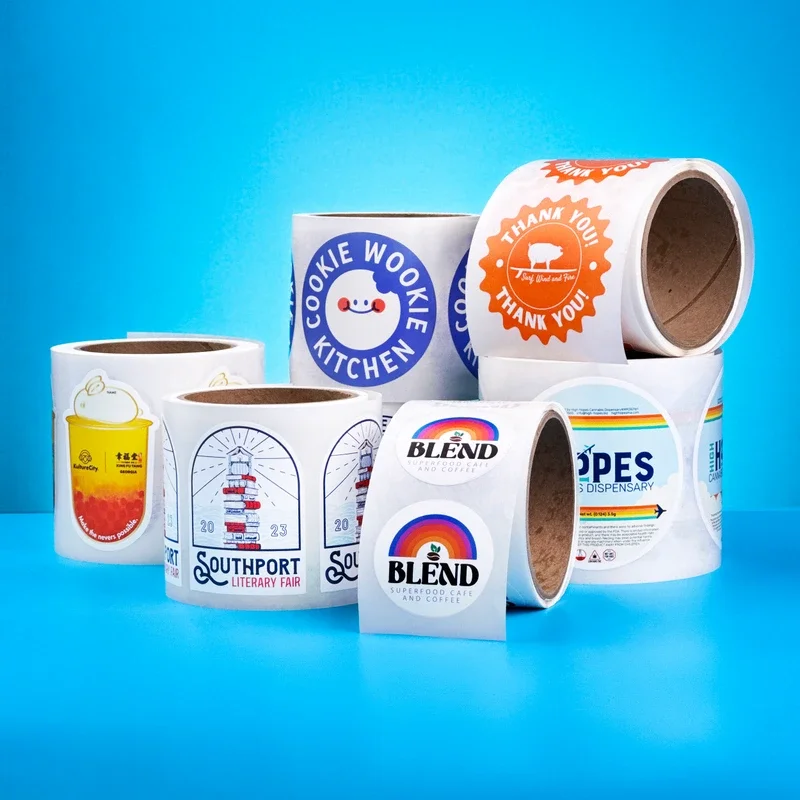
When customers pick up a product for the first time, the label does most of the talking. Before ingredients are read or reviews are checked, people judge quality, trust, and value in seconds. This is especially true in competitive markets like beverages, CBD, and cosmetics, where shelves and online listings are crowded with similar products.
A well-designed label is not just decoration. It is a branding tool that influences perception, buying decisions, and long-term loyalty. Whether it is beverage label printing for a new drink line or custom labels for a cosmetic launch, the right approach can make a noticeable difference in how a brand is received.
Custom packaging labels allow brands to tell a story clearly and confidently. They help communicate what the product is, who it is for, and why it is worth choosing over others. When done right, labels become a silent salesperson working for you every day.
Why custom labels matter more than ever
Consumers today are more informed and more selective. They want transparency, clarity, and a sense of authenticity. Generic labels or poorly designed packaging often signal low effort, even if the product itself is high quality.
Custom labels give brands control over every visual and informational element. From color choices and typography to layout and finish, each detail shapes how the product feels in the customer’s hands. A clean, intentional label builds trust, while cluttered or confusing designs can create doubt.
Consistency is another key factor. When all products follow a clear visual system, customers start recognizing the brand instantly. This recognition leads to repeat purchases and stronger brand recall over time.
The same principle applies to event giveaways and retail packaging; durable custom tote bag options can carry a visual system beyond the shelf and into daily use.
Beverage branding starts on the shelf
In the beverage industry, decisions are made fast. Shoppers glance at shelves and choose what stands out and feels familiar. Custom labels help beverages communicate flavor, quality, and brand personality immediately.
Clear product names, readable fonts, and strong color signals help customers understand what they are buying without effort. At the same time, consistent branding across flavors or variations keeps the product line looking cohesive instead of scattered.
For beverage brands, labels are often the difference between being noticed and being ignored.
CBD labels are about trust and clarity
CBD customers tend to be cautious. They want reassurance that the product is safe, compliant, and responsibly produced. A well-structured label helps remove uncertainty.
Custom CBD labels allow brands to organize information clearly. Key details like product type, strength, usage guidance, and sourcing can be presented in a clean and professional way. When customers feel informed, they feel confident.
Minimal, calm design often works better in this space than aggressive or overly bold visuals. The goal is credibility, not hype.
Cosmetics rely on design to communicate quality
In cosmetics, appearance plays a huge role. Packaging often sets expectations before the product is ever used. Custom cosmetic labels help brands position themselves correctly, whether that is luxury, natural, minimalist, or trend-driven.
Small details matter here. Label finishes, textures, and spacing all contribute to how premium a product feels. At the same time, labels must remain readable and compliant, especially when listing ingredients and usage instructions.
A balanced label design allows cosmetics to look beautiful while still being practical and informative.
Turning labels into a competitive advantage
Custom packaging labels are not just about aesthetics. They are a strategic branding asset. They help products stand out, build trust, and communicate value without saying a word.
Brands that invest in thoughtful label design often see stronger shelf presence, better customer perception, and improved long-term recognition. In crowded industries, this attention to detail can be the edge that separates growing brands from forgotten ones.
When labels are treated as part of the brand strategy rather than an afterthought, they become one of the most powerful tools a business can use.
Beyond labels, selecting the right packaging format matters as well. Many brands use 3 side seal pouch packaging to combine a clean presentation, efficient storage, and reliable product protection.
Related:
