
How Data Exposure Can Affect Your Digital Privacy and Security
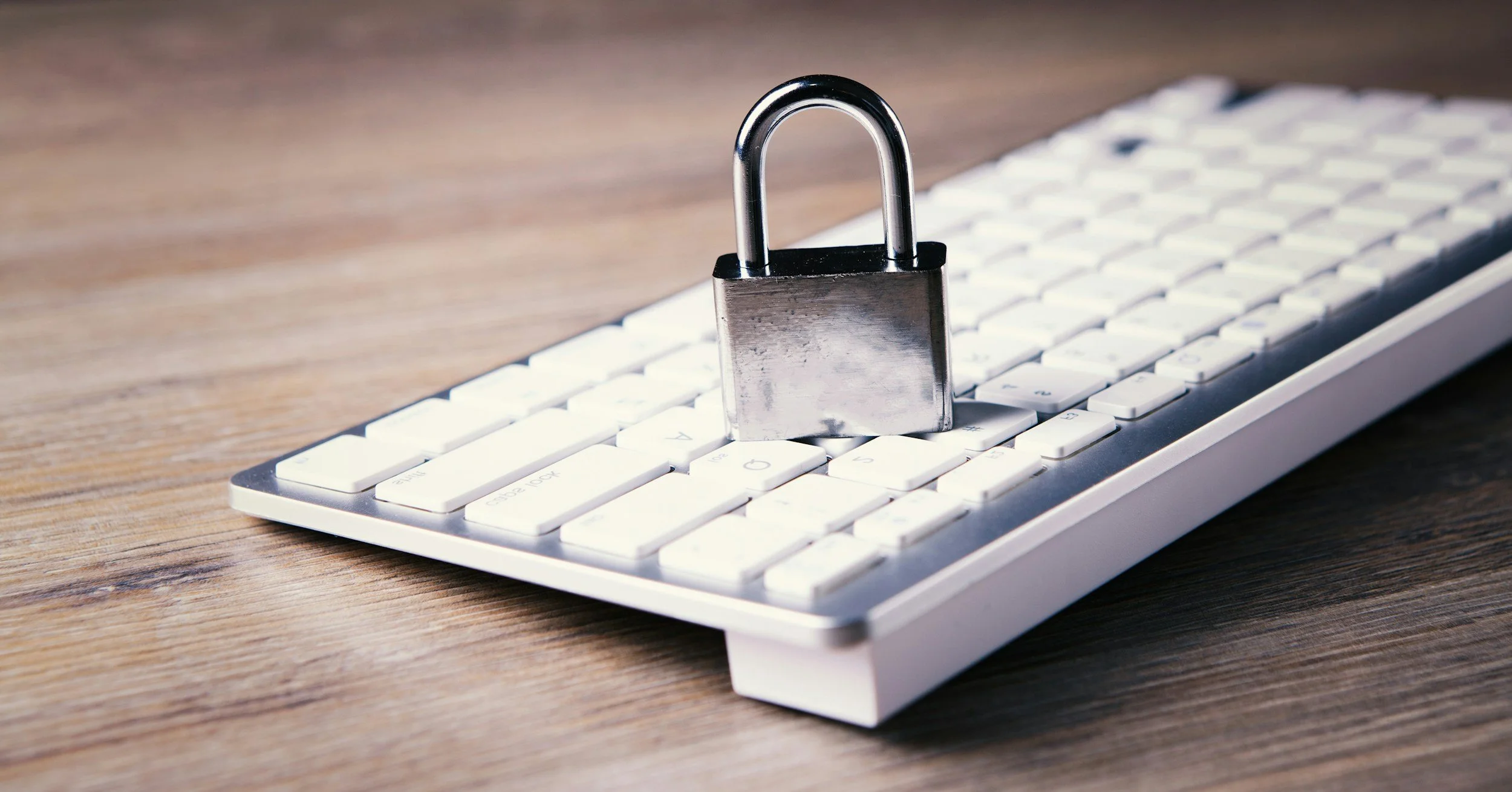
Every time you sign up for a new app, tap "confirm" on an online purchase, or connect to a café's Wi-Fi, you're leaving a trail. Sometimes a very detailed one. And here's the uncomfortable truth: that trail can be exploited. Data exposure stopped being a corporate boardroom problem years ago. Today, it's your problem. It threatens your savings, your identity, and honestly, your sense of safety. This guide breaks down what's actually at stake, how to recognize early warning signs, and the concrete steps you can take starting right now.
The Alarming Growth of Data Exposure in the Digital Age
Let's look at the numbers for a moment. According to Cisco's 2024 Consumer Privacy Study, 67% of consumers reviewed or updated their privacy settings across apps and platforms within the past 12 months. That's not a trivial statistic. It reflects a growing, collective unease, and it's justified.
Data breaches have multiplied aggressively over recent years. Cloud adoption, the explosion of IoT devices, and remote work infrastructure have widened the attack surface dramatically. Your smart thermostat. A shared company login. Your neighbor's unsecured router. Each one is a potential doorway.
What's most at risk? Payment details. Health records. Social Security numbers. Once that information escapes into the wrong hands, containment is rarely possible.
Identity theft, financial devastation, reputational harm- these aren't hypothetical outcomes anymore. They're happening to real people every single day. Understanding how these exposures unfold is the first step toward defending against them.
Key Signs That Your Personal Information Has Been Exposed
Early detection changes everything. The warning signs are there; you just need to know where to look.
Warning Signals You Shouldn't Ignore
Unusual account activity is the most obvious flag. Logins from unrecognized locations. Password reset emails you never requested. Unexpected charges appearing from nowhere. These aren't glitches; they're signals.
Watch your credit report closely. Unexplained financial transactions or new accounts you didn't open are serious indicators that someone else may be operating under your identity.
Want to be proactive? You should check for data leaks using Bitdefender's Digital Footprint Checker, a purpose-built tool that scans for exposed credentials and notifies you if your information has surfaced in a known breach. It's fast, straightforward, and genuinely useful.
Also worth noting: if you start receiving strange phishing attempts or unsolicited scam calls after signing up for a new service, your data may have already moved on without your permission.
Recognizing these signs matters enormously. But real protection means getting ahead of the threat before it reaches your front door.
How Data Exposure Threatens Digital Privacy and Online Security
Here's something worth sitting with: the majority of successful attacks don't require sophisticated code. They exploit human behavior. Yours, mine, everyone's.
Common Scenarios Where Your Data Gets Exposed
Phishing emails are still remarkably effective. A well-crafted message dressed up as your bank can steal your credentials before you even register what happened. Social engineering, manipulating people rather than hacking systems, works on the same principle and is just as dangerous.
Then there's the everyday stuff. Connecting to unsecured Wi-Fi at airports or coffee shops. Installing apps with permissions that far exceed what they actually need. That flashlight app requesting access to your contacts? Pause on that.
The Impact on Individuals and Businesses
From one careless click to a single overly permissive download, the entry points for data exposure are genuinely unsettling in their frequency. Once attackers have what they need, the consequences ripple outward fast.
Financially, the damage looks like unauthorized charges, emptied accounts, and credit scores in ruins. Emotionally, and this part doesn't get discussed enough, there's a lasting anxiety that doesn't dissolve after a password reset. Victims often describe it as a profound sense of violation. That discomfort lingers.
Whether you're managing personal finances or running a business, the aftermath of a data breach can be swift and severe. Catching it early is not a luxury. It's essential.
Proactive Strategies for Protecting Personal Information
Protecting personal information isn't a one-time configuration you set and forget. It's an ongoing discipline. The good news? The fundamentals aren't complicated.
Essential Digital Privacy Best Practices
Two-factor authentication is mandatory at this point, full stop. Combine it with strong, unique passwords for every account, managed through a trusted password manager, and you've already closed off a significant portion of common attack vectors.
Revisit your social media privacy settings regularly. Platforms adjust their defaults quietly, and often not in your favor. Layering in a VPN for public network use and switching to encrypted messaging apps adds meaningful protection without requiring technical expertise.
Advanced Online Security Techniques Against Data Breaches
Here's a figure worth considering: a study cited by the Journal of Accountancy found that organizations averaged a 1.6x return on their privacy-related investments in 2023. Security isn't just a cost center; it's a smart investment.
Run periodic data risk assessments. Embrace data minimization; only share what's necessary when registering for services. Careful app vetting and consistent safe browsing habits complete a solid personal security foundation.
What to Do If Your Data Is Compromised
Move quickly. Freeze your credit with all three major bureaus. Change every affected password immediately. Report the incident to the FTC at IdentityTheft.gov. Activate breach monitoring services to prevent further misuse of your exposed information.
Final Thoughts on Protecting Your Digital Life
Data exposure, data breaches, and the erosion of your digital privacy and online security are real threats, and they're intensifying. But awareness genuinely is power here. By consistently protecting personal information through smart habits, reliable tools, and fast action when something feels off, you reduce your risk in meaningful ways. Security isn't a destination. It's a daily practice. Pick one step from this guide and act on it today. Then build from there.
Your Top Questions About Data Exposure, Answered
How does a data breach impact privacy and security?
Identity theft stemming from a data breach can expose organizations to serious legal, financial, and reputational consequences. Individuals affected, customers or employees, may suffer financial loss or emotional harm, often leading to legal action against organizations deemed negligent in their security practices.
Why is data privacy and protection important in the digital age?
Digital privacy carries weight across multiple dimensions. It gives individuals genuine control over their own information. It serves as a meaningful defense against identity theft, fraud, and harassment. In today's environment, it's not a nice-to-have; it's foundational.
Can public Wi-Fi really lead to data exposure?
Without question. Unencrypted public networks allow attackers to intercept traffic, capturing login credentials, session tokens, and sensitive data with relative ease. Always use a VPN on networks you don't control, and keep financial account access off public connections entirely.
