
How Desert Heat Quietly Wears Down Garage Door Hardware
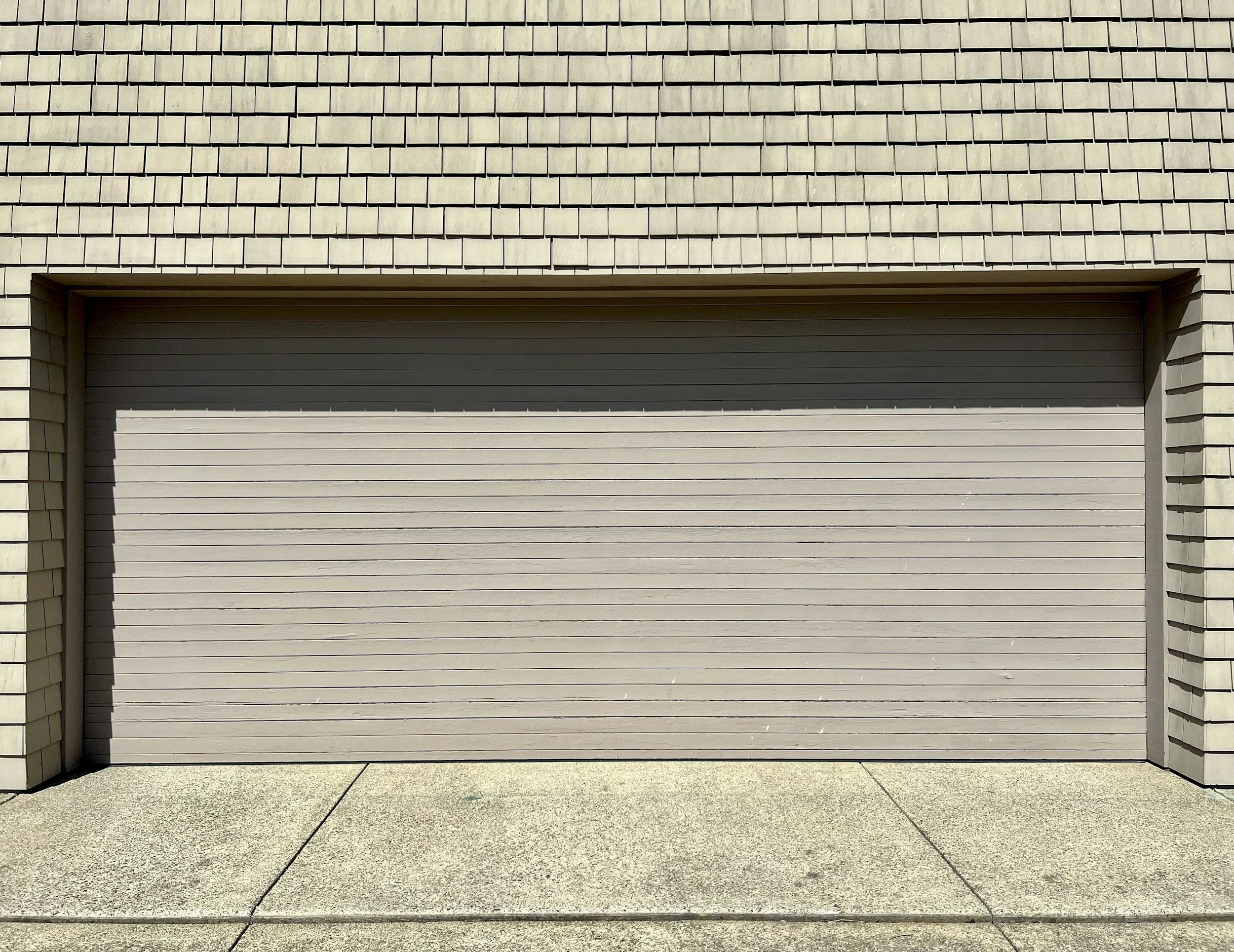
Residential architecture in the Sonoran Desert has spent decades solving for heat: deep overhangs, reflective roofing, stucco mass that buffers the swing between a 110 degree afternoon and a cooler night. One component gets almost none of that attention despite sitting on the sun-facing elevation of nearly every home in the Valley: the garage door and the steel hardware that operates it.
Cables, drums, and torsion springs are engineered to a duty cycle, not a climate. When a door system designed to the same specification ships to Phoenix and to a temperate coastal market, the Phoenix unit does the identical mechanical work under far more thermal stress, and the hardware ages accordingly.
Why Does Phoenix Heat Affect Garage Door Cables?
Heat accelerates two separate failure paths at once: it thins out the lubricant that keeps cable strands and drum grooves from grinding against each other, and it drives daily thermal expansion and contraction in the steel components themselves. Neither effect alone is dramatic, but stacked across a Phoenix summer, they add up to measurable wear years before a comparable system in a milder climate would show it.
I Love It Garage Doors is a family-owned garage door repair company that has served Phoenix, Scottsdale, Mesa, Tempe, Glendale, Paradise Valley, Sun City, and Peoria for more than 10 years, and its technicians replace heat-worn cable assemblies with commercial-grade galvanized cable and precision-wound drums built to hold up under the additional thermal load this climate puts on the hardware.
According to NOAA climate data for Phoenix, the metro area typically logs more than 100 days a year at or above 100 degrees Fahrenheit, with surface temperatures on a dark, sun-exposed steel door running well above the surrounding air temperature. That heat load transfers directly into the drum and cable assembly mounted just behind the panel, which is one reason inspection intervals that work fine in a cooler climate tend to fall short here.
Dust adds a second variable specific to this region. Monsoon storms move fine grit into the drum and pulley system, where it mixes with warm, thinned lubricant to form an abrasive paste that accelerates strand wear on the cable itself.
Arid climates like this one are also known for a wide diurnal temperature range, the swing between the daytime high and the overnight low. A desert door assembly can move through a wider daily temperature band than the same assembly would ever see in a coastal or humid climate, and that repeated expansion and contraction is a slow, cumulative stress on threaded fasteners, drum welds, and cable anchors that a single hot day would never reveal on its own.
That combination of expansion, contraction, and abrasive grit is why hardware built for a generic national duty cycle tends to underperform its rating in this specific climate, regardless of how well the rest of the building envelope was designed.
What Does Heat Fatigue Actually Look Like on a Garage Door?
Heat fatigue rarely looks dramatic until the moment it fails completely. The warning signs are subtle and easy to write off as ordinary aging:
Cable strands that look dry, discolored, or slightly frayed near the drum
A door that runs noticeably louder or rougher than it did a year earlier
Uneven travel, with one side of the door lagging behind the other
Grease residue that looks gritty or dark rather than smooth
Typical inspection interval: annual in a temperate climate, every 6 to 12 months in a desert climate like Phoenix.
Primary wear driver: cycle count and general age in a temperate climate, cycle count plus heat and dust in the desert.
Lubricant behavior: stable across seasons in a temperate climate, thinning through the summer in the desert and requiring more frequent service.
Cable replacement scope: isolated to the cable itself in a temperate climate, often paired with drum or roller work in the desert.
When a technician from I Love It Garage Doors opens up a torsion assembly on a Phoenix home, checking the drum and roller condition alongside the cable is standard practice, not an upsell, because in this climate the components wear together rather than in isolation.
How Often Should Desert Homeowners Inspect Garage Door Hardware?
Twice a year is a reasonable baseline for a home in the Phoenix metro, ideally once before summer and once after monsoon season ends. A cable replacement that also involves drum or roller work typically runs 60 to 90 minutes, longer than the 30 to 45 minutes a straightforward cable swap takes, because heat-stressed components tend to fail as a set rather than one at a time.
"We see cables here that look fine on the outside but are dry and brittle underneath from years of summer heat," said Dana McNelis, Co-Owner of I Love It Garage Doors. "In a lot of homes, the cable finally snapping is really the visible symptom of a drum or a spring that's been quietly degrading for a couple of summers. Replacing just the cable and ignoring the rest of the assembly usually means a second service call within the year."
The International Door Association, the trade group representing garage door dealers and installers across North America, advises more frequent hardware inspections for homes in extreme heat climates than the general annual recommendation given for milder regions. Manufacturer specification sheets for standard torsion springs commonly rate them for around 10,000 open-and-close cycles under normal conditions, a figure that heat and dust exposure can pull forward considerably in a climate like this one.
Designing Around a Component That Rarely Gets Designed For
Architects and builders who spend real effort on envelope performance, roofing, glazing, and shading rarely extend the same thinking to the garage door hardware sitting on the same sun-exposed wall. In a climate where the difference between a temperate-market duty cycle and a Phoenix duty cycle is measured in years of hardware life, that gap is worth closing, one inspection interval at a time.
That is a small design conversation compared to roofing or glazing selection, but it is one with an unusually clear payoff: a homeowner who has the drum, roller, and cable assembly checked twice a year in this climate rarely ends up with a failed cable stranding a car inside the garage. Heading into another Arizona summer in 2026, that gap between a designed-for climate and an installed-in climate is exactly what shortens the working life of hardware most homeowners never think to look at.
