
How Does the 'Notice of Hazard' Standard Decide Liability in Slip and Fall Incidents?
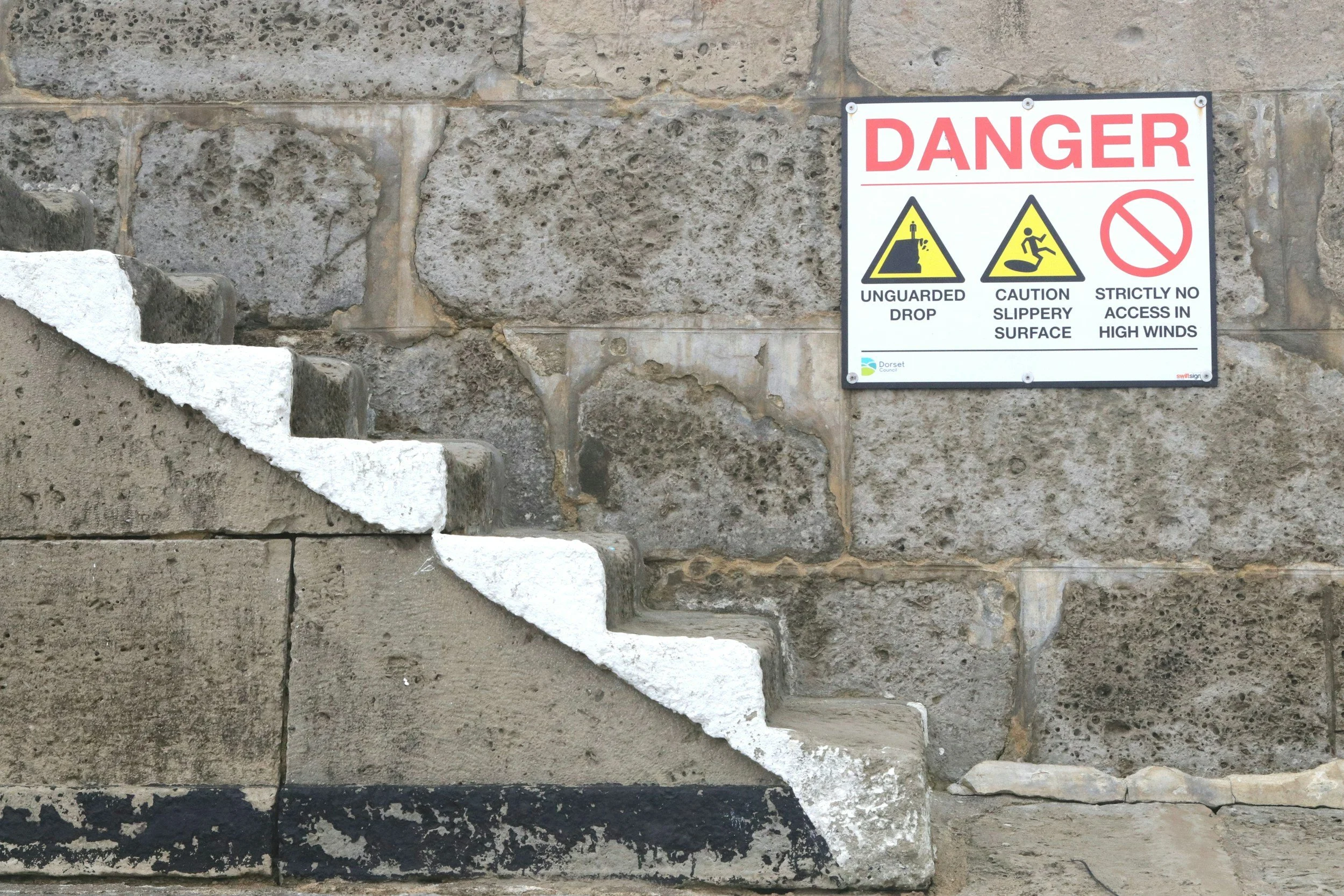
The premises liability law in California borders on an important legal rule that is called the 'Notice of Hazard' standard. The moment a person slips and falls on another person’s property, it is not enough to prove that the fatal condition pre-existed to create liability. Rather, property owners in San Diego County face legal liability the moment evidence indicates that they were aware of, or should have been aware of, this unsafe condition. When you have a clear understanding of this rule, it enables victims to decide whether they have a plausible claim for legal compensation.
What is the meaning of actual notice in property liability?
Simply put, 'actual notice' is where the property owner, manager, or their employees have real knowledge of the hazard in question. In this case, if an employee sees spilled liquid on the supermarket floor or a broken stairway in a building, actual notice exists. The property owner has firsthand knowledge of the hazard, and therefore, failure to act on it directly results in liability if slip-and-fall accidents occur in the future.
Establishing constructive notice and property owner responsibilities
The concept of constructive notice applies when a fatal condition is present for a prolonged period and a logical property owner must have discovered it. The courts assess whether regular inspections or routine maintenance could have made the hazard visible before the accident. That means that if there is liquid on the aisle floor for several hours and no one notices it, the owner is accountable for it, even without direct knowledge of it. Here, the injured parties can get in touch with expert, trained slip and fall lawyers to assess maintenance logs, collect witness statements, and prove that organized notice is legally applicable to this incident.
Essential factors that decide the reasonable response times
You need to know about the factors that determine an accepted response time. The following pointers are crucial to consider:
Duration of the issue: Typically, courts evaluate how long the fatal condition remained on the property before the fall.
Road traffic and location: In highly congested areas, there is a need for ongoing site inspections compared to storage spaces that are rarely visited.
Danger visibility: Obvious, open hazards typically require quicker intervention than hidden, subtle structural issues.
Weather changes: Property owners must address snow, rain, and ice near building entrances.
Finally, the factor of available staffing is also crucial. The courts often consider whether sufficient employees were physically present to detect and address the hazards.
Going beyond standard legal defenses in notice issues
Property owners and insurance companies often defend themselves by claiming that the danger was noticed just before the accident. The defense team argues that unexpected spills or structural collapse left them no time to remove the danger. To counter the defenses, the injured individuals need to produce video recordings, expert testimony, or employee admissions. This is where proper legal analysis is required, and this is where one should consult sites such as hhjtrialattorneys.com.
Conclusion
Therefore, developing liability in areas of safety challenges needs clear evidence that the property owner had completely violated the 'Notice of Hazard' guidelines. It is necessary to establish that the owner had overlooked fatal conditions to recover legal compensation for your loss. Victims of such accidents must learn more about this, and to that end, browsing websites like hhjtrialattorneys.com is helpful. It enables them to secure their rights through the correct legal counsel.
