
How Financial Abuse Shows Up in Emotionally Abusive Relationships
When most people picture an abusive relationship, they think of raised voices, threats, or physical harm. Money rarely comes to mind. Yet for many people living with an emotionally abusive partner, money is exactly where the control lives. It hides in ordinary moments: who checks the bank balance, who “handles the bills,” who has to ask permission before buying groceries.
Financial abuse, sometimes called economic abuse, is a pattern of behavior in which one partner controls, limits, or exploits the other’s access to money and financial decisions. It rarely looks dramatic, which is a big reason it goes unnoticed for years, even by the person it’s happening to.
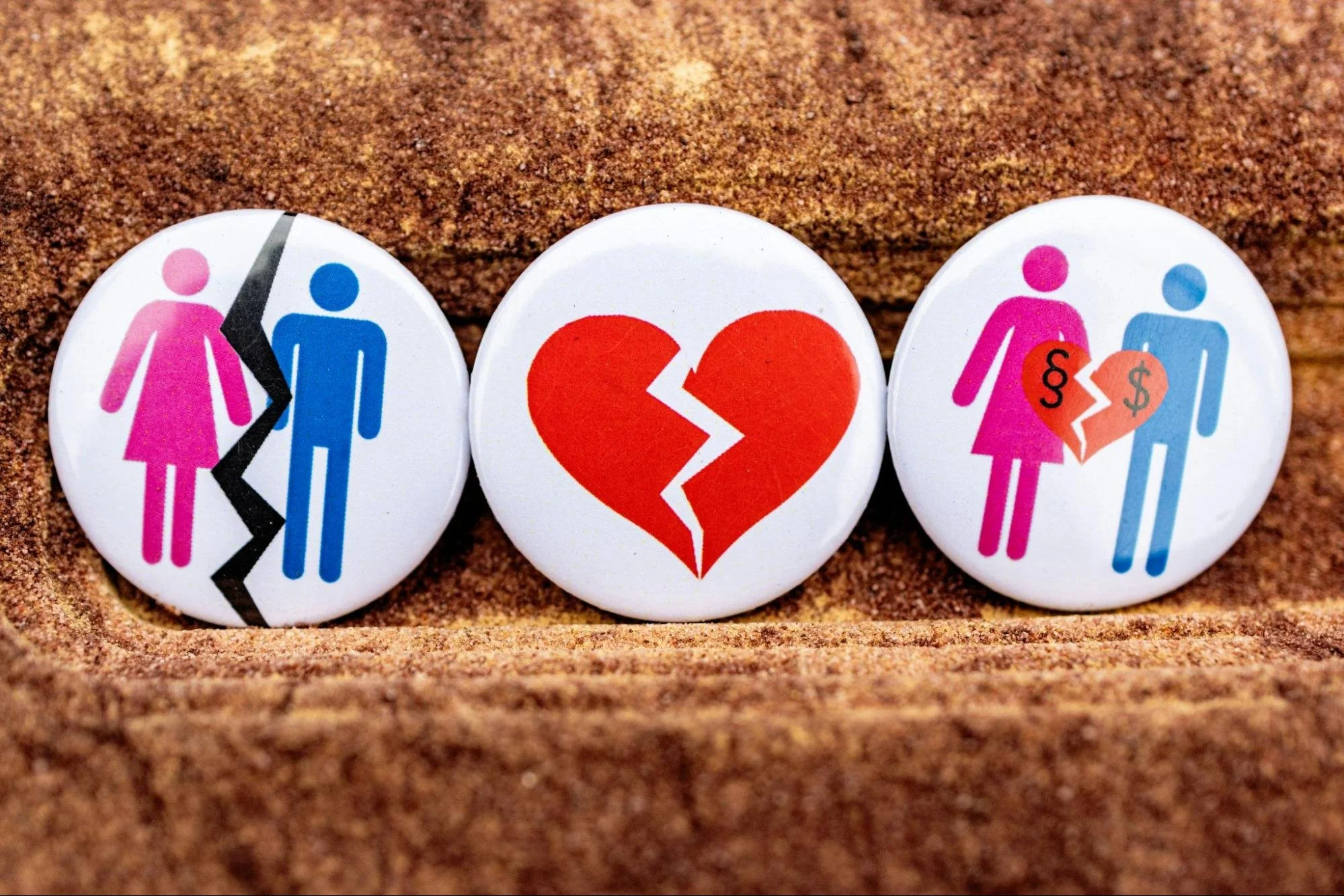
Why money becomes a tool of control
Emotional abuse is about power. The abusive partner wants to shape what you think, feel, and do, and money is one of the most effective ways to make that happen. When you don’t have cash, a car, or an account in your own name, leaving gets harder. Staying becomes a practical necessity, not only an emotional one, and the person in control usually knows it.
Money control also feeds the emotional damage. If you’re told again and again that you’re bad with money, careless, or too naive to be trusted with it, you start to believe it. That belief can do more to keep someone in a relationship than any lock or rule.
Common ways it shows up
Financial abuse takes many forms, and it can look different from one relationship to the next. These are some of the patterns that come up most often.
Controlling access. One partner takes over every account, password, and statement. You may be given an “allowance,” asked to justify every purchase, or even expected to hand over receipts. A small unplanned expense can turn into an argument that lasts days.
Interfering with your work. “Some partners make it hard to hold a job: picking a fight the night before an interview, calling your workplace over and over, or hiding the car keys. Others discourage you from working or studying at all, then criticize you for not contributing enough” Fatima Lundy Founder of Timatherapist
Using your name and credit. You may be pressured to co-sign a loan, open a credit card, or put the utilities in your name. Sometimes accounts are opened without your knowledge. Many people only find out when a collections call comes in or their credit score drops.
Hiding or draining shared money. A partner might empty a joint savings account, gamble, or run up debt in secret while insisting that you’re the one who spends too much.
Secrecy wrapped in reassurance. “Don’t worry about it, I’ve got it.” “You wouldn’t understand our finances.” These lines can sound protective. Over time they keep you uninformed and dependent.
When money control and emotional abuse overlap
Financial abuse rarely arrives alone. It tends to sit alongside gaslighting, criticism, guilt, and isolation, and each one makes the others stronger. Ask a direct question about money and you may hear that you’re being paranoid or ungrateful. Raise a concern and suddenly the conversation is about your “attitude” instead of the missing funds.
Isolation plays a part too. A partner who limits your access to money often limits your access to people, which makes it harder to get a second opinion. Without anyone to say, “That doesn’t sound normal,” the situation can start to feel like your fault.
“There’s also the push and pull of the relationship itself. Good days, apologies, and promises to change can create a strong emotional bond, often called a trauma bond, which makes the harmful moments easier to explain away” Nakandala owner Moon Guider.
Why it’s so hard to see, and so hard to leave
People often ask why someone stays. The more useful question is what it would cost them to go. Maybe their income is tied up, their credit is damaged, or they have no savings of their own. Maybe they have children and fear losing stability. Add shame about “letting this happen,” and it’s easy to see why many people stay silent.
“Financial abuse is also easy to mistake for ordinary disagreements about money, which almost every couple has. The difference is the pattern. In a healthy relationship, partners may disagree about spending, but both have access, both have a voice, and both can say no without fear. In an abusive one, one person’s voice is slowly erased” Liis Hainla founder Vegan Avenue.
Steps that can help
If any of this feels familiar, you don’t have to fix everything at once. Small, careful steps count.
Start by naming it. Recognizing that what’s happening has a name, and that it isn’t a personal failing, can be a turning point.
If it’s safe, begin quietly gathering what you’ll need to stand on your own: copies of identification, recent bank statements, tax returns, and information about any debts in your name. You can check your credit report for free at annualcreditreport.com to see whether there are accounts you don’t know about. Be thoughtful about where you store these things, since an abusive partner may monitor phones, email, and shared computers.
Reach out to someone trained in this. Domestic violence advocates understand financial abuse and can help you plan around your specific situation. In the U.S., the National Domestic Violence Hotline is available at 1-800-799-7233 or at thehotline.org. If you are in immediate danger, call 911.
Consider working with a therapist who understands both trauma and money. Financial therapy looks at the emotional side of how you earn, spend, save, and feel about money, which matters a great deal after you’ve been controlled through it.
Rebuilding your relationship with money
Leaving an abusive situation doesn’t end the impact on how you handle money. Some survivors avoid opening bills or checking their accounts. Others become anxious about every purchase, or feel guilty spending even on essentials. These reactions make sense. For a long time, money was tied to fear and criticism.
Healing often starts with small, steady practices: looking at your accounts at a pace that feels manageable, making a simple budget that belongs only to you, and celebrating each decision you make independently. Over time, money can stop being a source of dread and become a tool for building the life you want.
You are not bad with money, and you are not to blame for what was done to you. Financial abuse is about control, not competence. With support, it’s possible to take that control back, one decision at a time.
