
How NDIS Home Care and Mobility Aids Support Independence
If you're helping a child, partner or parent live more independently, navigating the NDIS can add to an already demanding role. For most families, independence depends on a practical mix of the right support, equipment and home environment.
This guide connects everyday goals with NDIS home care supports and mobility aids, then explains how to trial, request and review them. It provides general information only. The NDIA decides what is reasonable and necessary for each participant.
What independent living means under the NDIS
Independence rarely means managing everything alone. It usually means doing more of what matters, with an appropriate level of safety and support. Assistive technology (AT) is the NDIS term for equipment that helps people complete tasks they otherwise couldn't do, or couldn't do safely. It ranges from non-slip mats to powered adjustable beds and wheelchairs.
Most plans support independence through three layers: help from people, equipment that reduces effort or risk, and changes to the home when needed. Housing is treated separately. Specialist Disability Accommodation (SDA) can fund an eligible dwelling, while care supports and rent are handled through different arrangements.
A quick map of home and living options
Assistance with daily life. Help with personal care, meals and household tasks for people who need regular support.
Individualised Living Options. A tailored arrangement centred on one person, sometimes combining support from housemates, family and visiting workers.
Supported Independent Living (SIL). Support with daily tasks for people who need significant help throughout the week. From 1 July 2026, SIL providers must be registered under the NDIS Commission's SIL Practice Standards.
Home modifications. Changes that help someone move around and use their home safely.
Medium Term Accommodation. Temporary accommodation for someone waiting for a longer-term housing option.
SDA. Under the SDA Rules 2020, participants must meet specific eligibility requirements related to extreme functional impairment or very high support needs.
Provider registration is one factor to check when comparing services. Holistic Home Care, for example, is a registered NDIS provider whose registration groups include Supported Independent Living. In Brisbane and South East Queensland, trusted NDIS home care providers in Brisbane can be a useful starting point for comparing service models and coverage.
Where mobility aids fit
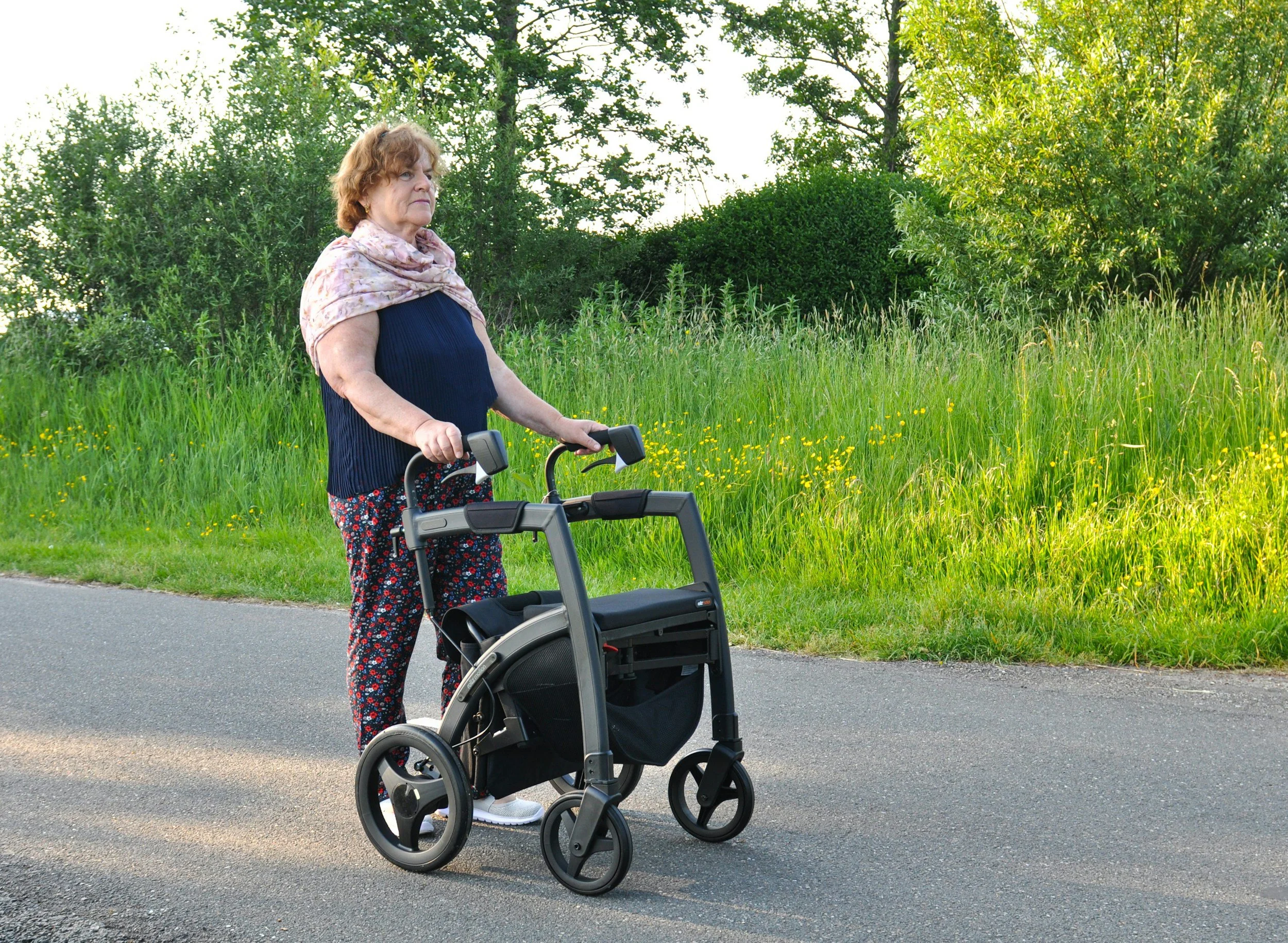
Walking sticks, four-wheeled walkers with seats, portable threshold ramps, shower chairs and powered wheelchairs are all forms of AT. The NDIS groups AT by cost, which helps determine the evidence or assessment required.
Low cost: under $1,500 and usually purchased through the Consumables budget. Low-risk items in this range generally don't require quotes, evidence or an assessment before purchase.
Mid cost: $1,500 to $15,000 and typically supported by a recommendation from an AT adviser.
High cost: over $15,000 and generally requiring an assessment by an AT assessor. A trial or rental may also be requested.
It's worth involving an occupational therapist (OT) early. Matching a walker's height, brakes and turning circle to the user and their home can determine whether the aid is practical or ends up unused.
Safety and evidence come first
Some equipment carries enough risk that written professional advice is required before it is bought or rented. Higher-risk AT includes adjustable beds and bed sticks, and both require written advice.
The same principle applies to home and living requests. The NDIA expects recent evidence from relevant treating professionals. Reports should explain the person's needs, the options explored and why those options didn't work. Ask an OT or physiotherapist to describe the task, the risk, what was trialled and the outcome. This gives the decision-maker clear information to assess.
Try before you buy
Equipment that looks suitable online may not work well in the home. A trial can reveal problems with comfort, access or ease of use. Plans may include rental funding for short AT trials, and an adviser or assessor can organise a trial around real tasks such as getting out of bed, showering or reaching the letterbox.
Where possible, test products in person with guidance from your OT. In Melbourne, compare equipment at a showroom to assess walkers, lift chairs or adjustable beds. Back to Sleep has a showroom at 313 to 315 Whitehorse Road, Balwyn, and lists free 60-minute individual consultations. Back to Sleep also states that it is a Registered NDIS Provider, although the NDIA decides whether a particular item can be funded under an individual plan.
Choosing and combining home care supports
Support often works best when assistance and equipment are planned together. A morning routine might combine suitable transfer equipment with a short personal care visit. A safer shower could involve grab rails, a shower chair and support on selected days. Attending a weekly activity might require a portable ramp as well as transport assistance.
When comparing providers, ask how they roster workers, manage short-notice changes and supervise support staff. Confirm which suburbs they cover rather than relying on broad service-area claims. In South East Queensland, comparing local providers can help you understand how personal care, community participation and nurse-supervised support may fit around your goals. Holistic Home Care lists registered nurse supervision of support staff and services across Brisbane, Ipswich, Logan and Moreton Bay. This highlights two useful questions for any local provider: who supervises the team, and how far will workers travel?
Home modifications without the headache
Simple adaptations under $1,500, such as basic rails, are usually treated as low-cost AT. Complex modifications affect the structure of the home. Widening a doorway or rebuilding a bathroom, for example, requires different evidence and specialist input.
Ask your OT or building assessor three questions: What is the smallest change that solves the problem? What will happen if the person's needs change in two years? Does the property owner need to provide written consent before work begins?
Funding in plain English
Capital supports cover higher-cost AT and home or vehicle modifications, including items such as powered wheelchairs. These budgets are stated, meaning the funding is allocated for a specific purpose and can't be moved freely between categories. A quote for an unsuitable item can therefore delay the request.
NDIS pricing arrangements can change. Check the current pricing guidance and ask providers to explain proposed changes to service agreements in writing before agreeing to them. For an in-person trial, Melbourne participants can find mobility aids in Melbourne before discussing options with their OT.
What to do next
Write down two or three specific goals, such as showering while seated or attending a weekly activity.
Discuss the goals with your my NDIS contact and ask what evidence may be required.
Arrange an OT review and involve your support coordinator if you have one.
Compare equipment with the cost tiers to identify what needs professional advice or an assessment.
Trial equipment before committing, either at home or at a showroom such as Back to Sleep's Melbourne location.
Record what changed during the trial and attach that evidence to any request for a plan change.
Checking provider registration is part of the same process. Holistic Home Care's registration, for example, is listed as in force until 20 May 2028. During plan meetings, describe the task and intended outcome rather than focusing only on a product. For example, “he can shower while seated with one worker present” gives the planner more useful information than a brand name alone.
Common mistakes to avoid
Buying higher-risk equipment before obtaining written professional advice.
Assuming SIL pays for housing or that SDA pays for daily support.
Overlooking training and maintenance, which can leave suitable equipment unused.
Failing to record trial outcomes, leaving little evidence for the next review.
The key takeaway
Independence usually comes from the right combination of people, equipment and a suitable home environment. Review that combination as needs change and measure practical outcomes, such as safer transfers, less fatigue in the morning or greater confidence outside the home. A small, well-matched change can be more useful than expensive equipment chosen without a proper assessment.
Where to go from here
You don't need to navigate the process alone. A my NDIS contact, occupational therapist and support coordinator can each help with different parts of the request. Start with one clear goal, gather evidence about the person's needs and use that information to guide the next decision.
