
How Online Car Dealerships Use Algorithms to Match Buyers and Cars
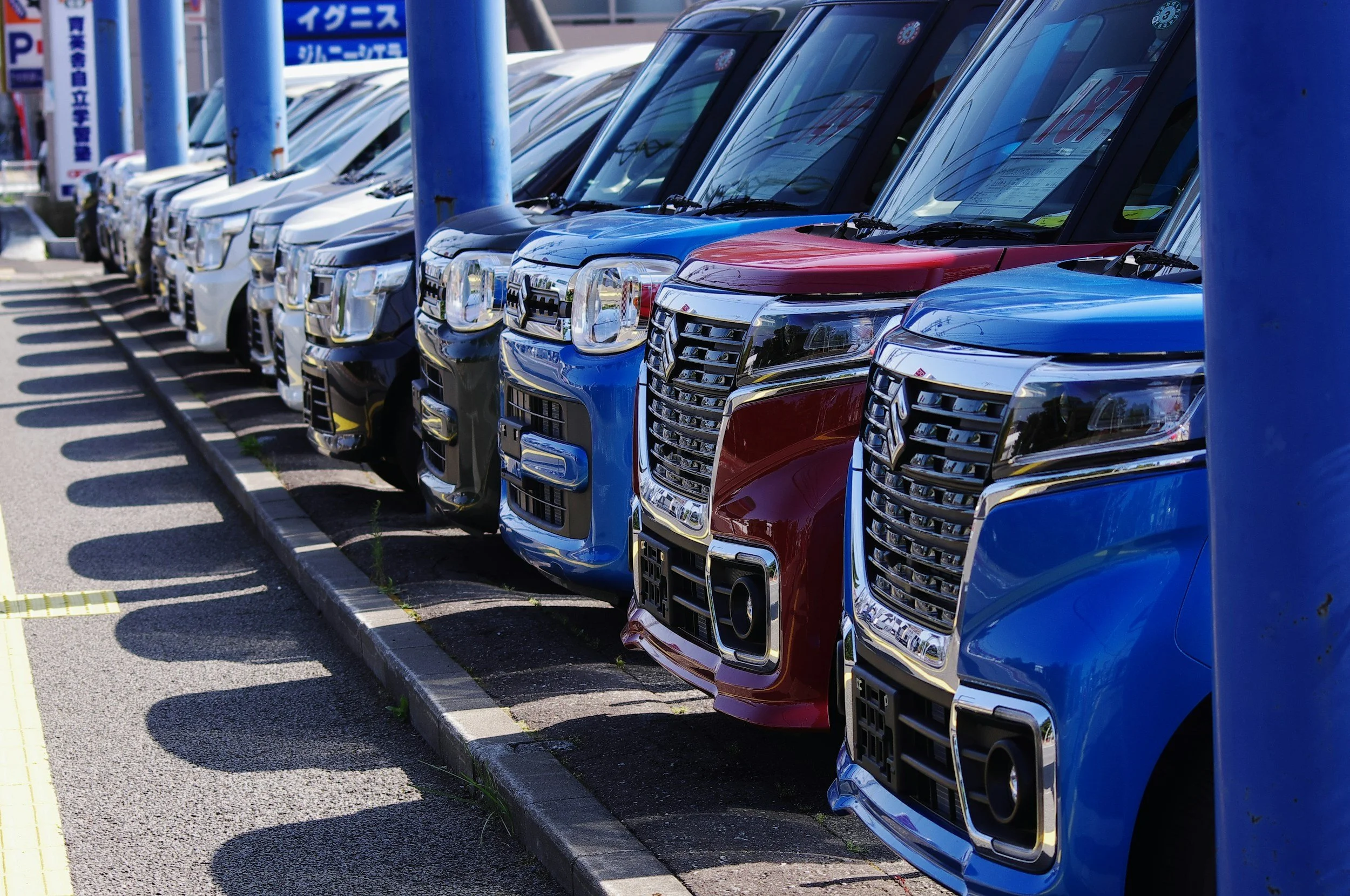
Shopping for a used car has changed dramatically over the last decade. What once required driving from lot to lot, negotiating in person, and relying on printed price guides has shifted into a largely digital experience. For buyers in Perth and across Australia, online car dealerships now offer something that physical showrooms simply cannot: a smart, data-driven matching process that connects the right buyer to the right car, often before they even know exactly what they want.
Behind that seamless browsing experience lies a sophisticated set of algorithms working quietly in the background. Understanding how they work can help you use them more effectively, and ultimately, make a smarter purchase.
1. Learning Your Car Preferences
Every time you click, filter, or linger on a listing, the platform is learning. Online dealerships track user behaviour to build a preference profile. If you keep looking at SUVs under a certain price but rarely click on sedans, the algorithm registers that pattern and adjusts what it shows you.
This is similar to how streaming platforms suggest what to watch next. The more you interact with the site, the more accurate your profile becomes. It is not just about what you search for explicitly, but how you behave while searching.
2. Recommending Cars Based on Similar Buyers
One of the most powerful tools used by online dealerships is collaborative filtering. This technique looks at buyers who share similar profiles to yours and uses their eventual purchases to predict what you might like.
For example, if buyers in a similar age bracket, income range, and location frequently viewed a particular model before purchasing a different one, the system might highlight that alternative to you as a worthwhile comparison. It is based on the principle that similar buyers tend to make similar decisions, and the algorithm uses those patterns at scale.
3. Matching Buyers With Available Cars
Algorithms do not just work from the buyer's side. They also analyse inventory. A dealership has cars it needs to move, and the system weights listings based on stock levels, time on the lot, and demand signals from other users.
According to McKinsey & Company research, over 60 percent of used car buyers now begin their journey online, which gives platforms a large dataset to optimise these matching processes with increasing precision.
This means the cars shown to you first are not random. They are strategically surfaced based on what the platform believes you are most likely to convert on, balanced with what the dealership most needs to sell.
4. Location Intelligence and Local Market Data
Geography plays a bigger role in car matching than most people realise. Online dealerships use location data to surface cars that are available nearby, reducing logistics friction for the buyer. When you browse listings from one of the best used car dealership Perth, the algorithm prioritises vehicles that can be inspected, financed, and collected locally. Platforms like Carmart Perth use local market insights to help ensure listings reflect realistic pricing and demand specific to the Perth area.
5. Comparing Car Prices and Value
Pricing algorithms compare thousands of recent sales, market trends, and condition reports to assign a value score to each vehicle. When you see a listing labelled as a great deal or priced below market average, that label comes from this automated valuation model.
For buyers, this is incredibly useful. Instead of spending hours researching whether a price is fair, the platform does the heavy lifting. For dealerships, it helps them price competitively without undercutting unnecessarily.
6. Natural Language Processing in Search
Modern dealership platforms use natural language processing, or NLP, to interpret vague or conversational searches. If you type something like a family-friendly car under thirty thousand with good fuel economy, the system parses that query and translates it into a set of filters rather than just matching keywords.
This makes the search experience intuitive for buyers who do not know exact model names or technical specifications. The algorithm bridges the gap between what you mean and what the inventory contains.
Final Thoughts
The technology behind online car dealerships is designed to remove friction and save you time. Rather than feeling overwhelmed by hundreds of listings, you see a curated selection that reflects your needs, budget, and location. Understanding this process helps you interact with it more intentionally, using filters clearly and exploring suggested alternatives with an open mind.
The next time a car listing pops up that feels surprisingly relevant, you will know exactly why.By recognizing how these platforms work, you can make smarter choices and spend less time searching for the right vehicle.
