

In Opelika, high humidity can make a normal pest problem feel much harder to control. You may notice ants on counters, roaches near damp areas, or silverfish and earwigs after wet weather, even after you thought the problem was gone. What makes this frustrating is that humidity can support the conditions pests need to stay active while warm weather keeps them moving around your property, contrasting sharply with colder northern climates like Detroit where winter naturally suppresses many pests.
Effective pest control tackles this cycle by identifying pest activity, treating the exterior as a protective barrier, and addressing indoor activity when it appears. Recurring treatment then helps keep pest pressure low as conditions change. This approach focuses on stopping the cycle, not simply removing the bugs you see.
Here is how that process tackles high-humidity bug outbreaks in Opelika more effectively.
1. Target Pests That Flourish in Opelika's High-Humidity Conditions
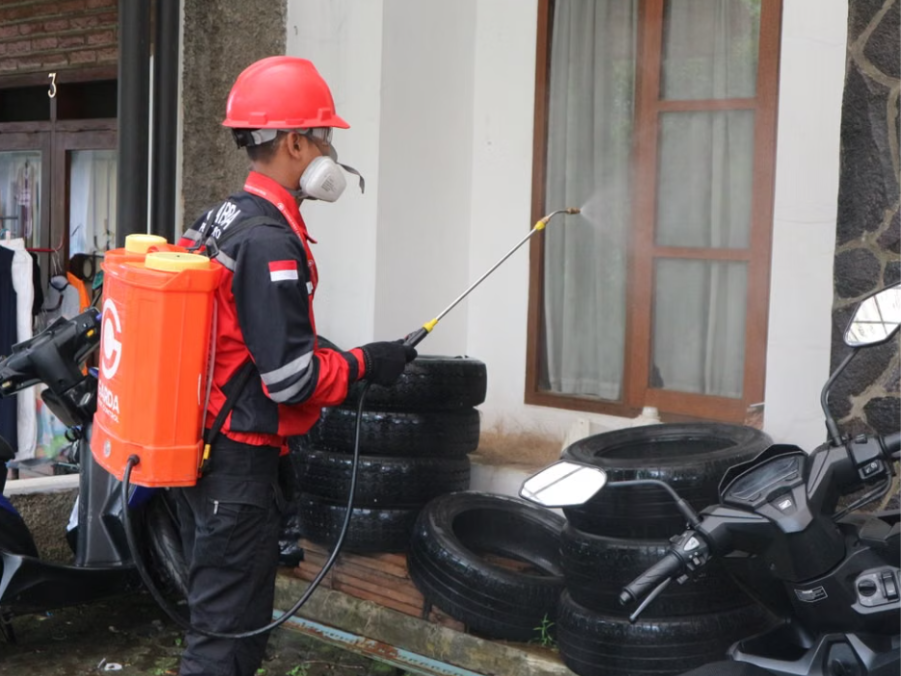
One of the most important aspects of pest control in Opelika is knowing which pests are more active when warm and damp conditions provide shelter. Common targets include ants, cockroaches, silverfish, flies, millipedes, earwigs, centipedes, spiders, and stink bugs. Professional service focuses on activity found on your property rather than treating every sighting the same way.
Different pests react to humidity, so treatment also takes into account where the activity is being seen. Damp areas, shaded spaces, and home edges provide places to stay for pests to use prior to entering homes. By targeting these areas, pressure that leads to repeat sightings is reduced.
Once the active pests are found, there are ways of dealing with these pests rather than a single spray. Exterior applications are used to establish barriers around the property, and interior applications control active pests. This approach addresses current activity and the routes pests use.
2. Treat Moisture-Rich Areas Where Bugs Hide and Multiply
Damp locations can play a key role in an infestation by providing insects with opportunities to stay close to a house. Activity can increase around a foundation, in an area that is shaded, or where there is moisture around an Opelika property. Professional treatment targets these areas to minimize the number of pests that enter the home.
Exterior treatments involve more than spot-treating the area a bug is found. It targets areas pests often go and gather before entering the house. That targeted approach lowers pest pressure while keeping treatment focused.
Meanwhile, the initial treatment in the interior can be used for activity that has already moved inside. When activity is seen between visits, follow-up interior service is also provided. This tackles an outbreak from both sides instead of treating indoor sightings alone.
3. Block Humidity-Driven Pests at Common Home Entry Points
Warm, humid conditions can increase outdoor pest activity, but an outbreak becomes an indoor problem when insects find a route inside. Cracks, gaps, doors, windows, and other openings can give pests a path indoors. Pest control tackles this by maintaining a treated exterior barrier around the home.
Routine service focuses on the outside rather than waiting for pests to appear indoors. Quarterly residential treatments help maintain that barrier, so protection does not depend on one application. This matters when humid conditions support activity.
Thus, the goal is not simply to remove insects you can see inside. Treatment reduces the chance of new pests crossing into the house while allowing interior service when activity is spotted. This makes pest control more preventive for repeat outbreaks.
4. Break Repeated Infestations with Recurring Pest Treatments
When humidity stays high, an outbreak can return because supporting conditions can remain after treatment. One application may reduce current activity, but new pests can return as weather changes. Recurring service helps keep pressure on pest populations before they rebuild.
For residential properties, quarterly visits provide ongoing exterior coverage rather than leaving long gaps after initial treatment. Commercial properties can receive monthly service when more frequent attention is needed. If pests return between scheduled visits, follow-up treatment can be provided instead of waiting for the next appointment.
Over time, scheduled service also gives technicians a clearer picture of activity. Repeated sightings can show where pressure is strongest and help guide future treatment. This makes recurring service especially useful for humidity-related outbreaks.
5. Use Targeted Treatments to Reduce Bug Activity Around the Property
Targeted treatment is important during humid weather because pests can spread across a property. Rather than treating every surface, professional pest control focuses on areas where pests are active and likely to move. This helps reduce pest pressure while protecting lawns, plants, and outdoor spaces.
Across Opelika, changing weather can also change where pests are found around the home. A responsive treatment plan helps homeowners manage those shifts. Interior service can be added when pests appear indoors, while routine exterior applications maintain protection.
Most importantly, this approach connects treatment to the actual pest problem rather than treating humidity as the pest itself. High humidity creates favorable conditions, but targeted service interrupts that activity. That is how pest control turns recurring activity into ongoing protection.
Conclusion
High humidity can make pest outbreaks more persistent, but effective pest control does more than remove the insects you notice. By targeting active pests, treating areas where they travel, maintaining an exterior barrier, and responding to returning activity, the process addresses the outbreak from several angles.
Homeowners dealing with recurring bugs during Opelika's humid weather can benefit from consistent protection. The focus stays on reducing pest pressure before it grows, while interior treatment remains available when activity crosses into the home.
