
How to Build a Home Stereo System for Beginners
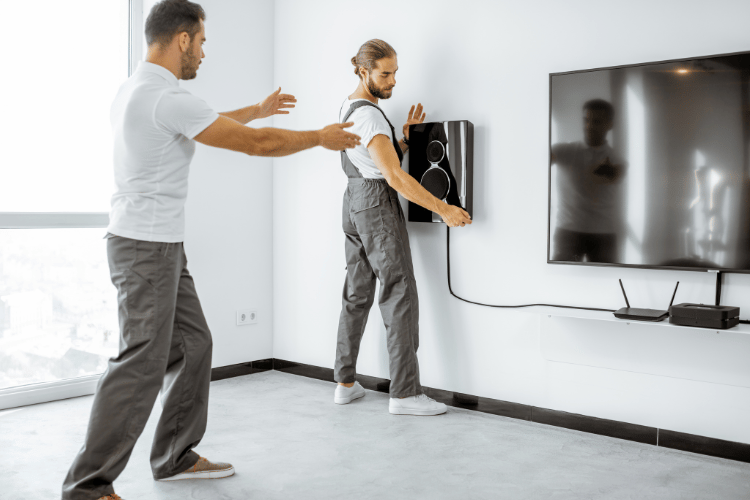
There's something special about putting on your favorite album and hearing it fill the room. Maybe it's the soundtrack from your younger days, or perhaps it's music you want your kids to grow up appreciating. Either way, a good home stereo system can make listening to music a family experience.
Building one might seem complicated at first. With so many speakers, amplifiers, and audio components available, it's easy to get lost in technical jargon.
Fortunately, you don't need to be an audio expert or spend a fortune to get started. Once you understand how the main components work together, choosing the right equipment becomes much easier.
This guide walks you through building a home stereo system that suits your space, listening habits, and budget.
1. Understand the Basic Components of a Stereo System
Before shopping for equipment, it helps to know what you're buying.
A traditional stereo system uses two speakers to create separate left and right audio channels. This gives music a sense of space, allowing you to hear where different instruments sit within a recording.
You'll need three main components:
Speakers: These turn electrical audio signals into the sound you hear. Bookshelf speakers work well in smaller spaces, while floorstanding models suit rooms with more available space.
Amplifier: This provides the power needed to drive passive speakers. Some amplifiers also include controls for volume and switching between music sources.
Audio Source: This could be a turntable, CD player, music streamer, or another device that plays your favorite songs.
You'll also need speaker cables and possibly additional cables to connect your equipment.
The good news? You can start with a straightforward setup and add components as your interests develop.
2. Set a Budget Before Buying Equipment
It's tempting to focus on impressive-looking speakers or expensive amplifiers. However, building a good stereo system is more about choosing compatible equipment than buying the most expensive products.
Start by deciding how much you're comfortable spending.
If you're working with a limited budget, consider allocating a substantial portion toward speakers. Their design and performance have a major influence on what you hear. You'll also need an amplifier that can power your chosen speakers comfortably.
Specialist audio retailers such as Moon Audio offer equipment for different listening setups, making it possible to compare options as you learn about individual components. Don't forget the smaller expenses. Speaker stands, cables, and furniture can add to the overall cost.
If purchasing everything at once feels expensive, start with the main components. You can always introduce additional music sources later.
3. Choose an Amplifier That Matches Your Speakers
Your amplifier plays an important role in how your stereo performs. It takes the audio signal from your music source and provides the power your passive speakers need.
For beginners, an integrated amplifier is often the simplest choice. It combines a preamplifier and power amplifier in one unit, reducing the number of components and connections required.
When comparing amplifiers, pay attention to speaker compatibility. Check the amplifier's supported speaker impedance and recommended power output. Your speakers' sensitivity and the size of your room also affect how much power you'll need.
You can also choose from different amplifier configurations. Brands such as Pass Labs, available at moon-audio.com, offer both integrated amplifiers and separate preamplifiers and power amplifiers. The right choice depends on how much flexibility you want and how you plan to build your system.
While separate components offer more flexibility for future upgrades, they generally require more space, connections, and planning. For your first system, an integrated amplifier is usually the more practical starting point.
4. Pick Speakers That Suit Your Room
Even excellent speakers can sound disappointing when placed in an unsuitable room. Before buying, think about where you'll listen to music most often. A compact home office has different requirements from a large family living room.
Bookshelf speakers are practical for smaller rooms. They take up less space and can sit on dedicated stands or suitable furniture.
Floorstanding speakers generally need more floor space, but many models can produce deeper bass without requiring a separate subwoofer.
Placement matters just as much as speaker size. Try these practical tips:
Position your speakers at roughly equal distances from your main listening seat.
Leave some space between the speakers and nearby walls, following the manufacturer's recommendations.
Aim the speakers slightly toward your listening position if the manufacturer suggests it.
Avoid hiding speakers inside enclosed cabinets where sound can become muffled.
Keep speaker stands stable and secure, especially if young children are around.
Soft furnishings, including rugs and curtains, can help reduce unwanted echoes in rooms with hard surfaces. You don't need a dedicated listening room. Small adjustments to your existing space can make a noticeable difference.
5. Connect Your Equipment and Test the Sound
Once you've chosen your components, it's time to connect everything.
Start with the amplifier switched off. Connect each passive speaker to its corresponding amplifier output using speaker cable. Pay attention to the positive and negative terminals. Keeping the connections consistent prevents the speakers from working against each other acoustically.
Next, connect your music source to an appropriate amplifier input. A turntable may require a dedicated phono input or separate phono preamplifier. Digital sources might connect through an optical, coaxial, or USB input, depending on your equipment.
Before switching everything on, check that the cables are secure and no loose speaker-wire strands are touching other terminals.
Start playback at a low volume. Choose music you know well. Familiar recordings make it easier to notice differences in vocals, bass, and instrument placement. Listen from your usual seat rather than standing beside the speakers. Move the speakers slightly if the sound feels unbalanced or the bass seems overwhelming.
Small changes are worth trying before spending money on additional equipment.
6. Make Your Stereo System Work for Family Life
A home stereo system should fit into your daily routine rather than become another complicated gadget. If you have younger children, position expensive components away from curious hands. Secure loose cables and make sure speakers cannot easily tip over.
Good ventilation matters, too. Amplifiers generate heat, so avoid squeezing them into tightly enclosed shelves.
Think about how everyone will use the system. A music streamer can make shared playlists convenient, while a turntable offers a more hands-on experience for older children interested in collecting records.
You might even introduce a family listening night where everyone chooses a favorite song. Keep the controls simple enough that other family members can enjoy the stereo without needing a lesson every time.
Conclusion: Start Simple and Enjoy the Music
Building your first home stereo system doesn't have to involve endless technical research or expensive purchases.
Start by understanding the basic components, setting a realistic budget, and choosing speakers that suit your room. Find a compatible amplifier, connect everything carefully, and experiment with placement before considering upgrades.
Most importantly, remember why you're building the system in the first place. A great stereo isn't necessarily the one with the most equipment. It's the one that makes you want to sit down, play another album, and share the music you love with your family.
Start with a setup you can comfortably manage. As your listening habits change, your stereo can grow alongside them.
