
How to Choose a Crossbody Bag for Everyday Life and Travel
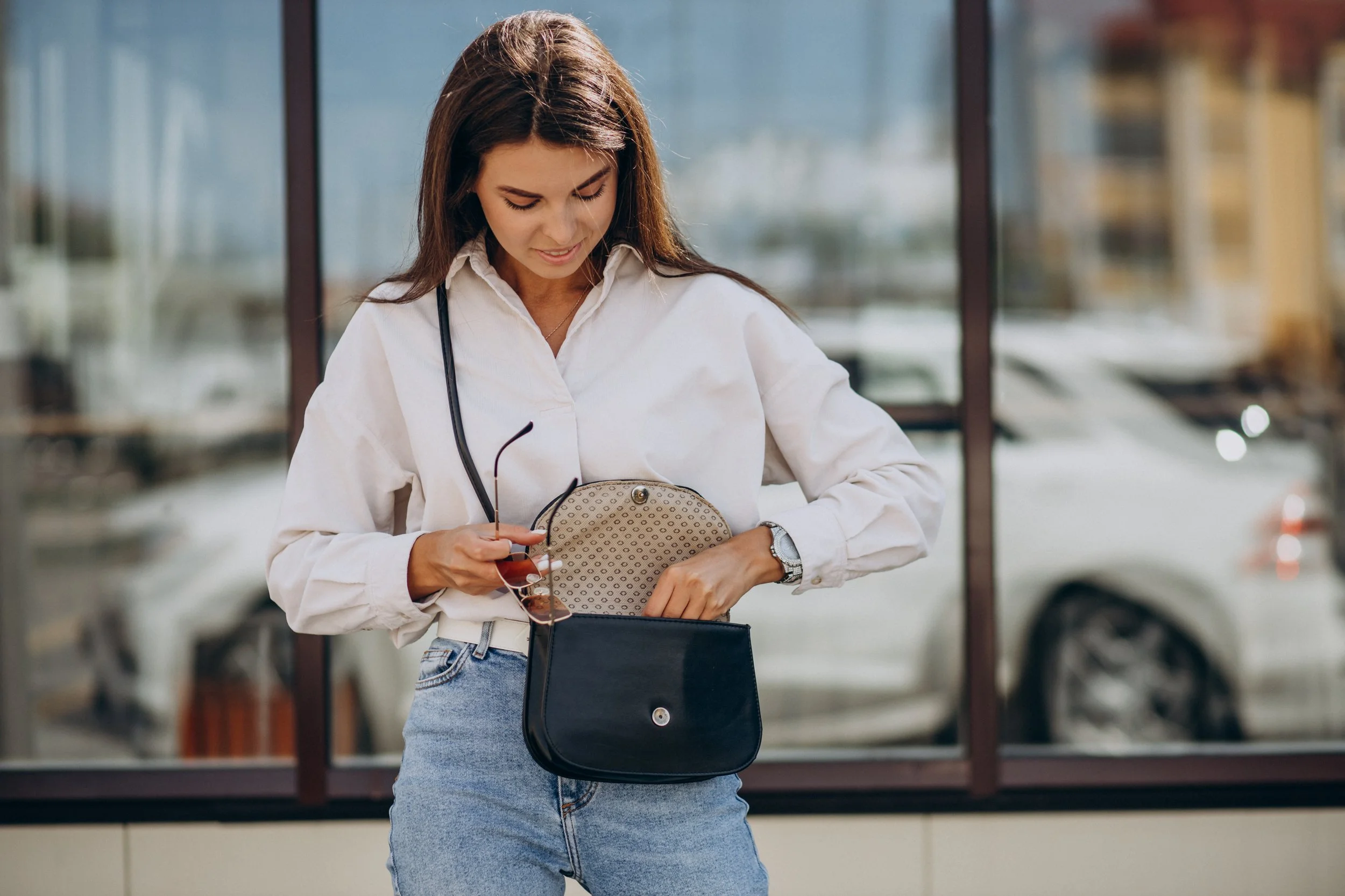
You notice the problem in small moments: buckling a car seat while a tote slides down your arm, or holding a child's hand in a security line with a duffel wedged under one elbow. A crossbody bag reduces that friction by keeping your hands free and your essentials close.
To choose the right one, start with what you actually carry. Then check the fit, size, organization, materials, and security features before testing the packed bag at home.
Start with your real daily load
Empty your current bag onto a table and sort its contents. Many parents need only a phone, wallet, keys, wipes, snack, compact water bottle, basic first-aid supplies, and a spare diaper or pull-up. Travel days may add documents, a charger, and one comfort item for a child.
If you're flying with an infant, check the screening rules before packing. CDC travel guidance notes that TSA permits breast milk and formula in carry-on bags in quantities greater than 3.4 ounces, along with cooling accessories such as ice packs. Tell the officer at the start of screening and separate milk, formula, and related accessories for inspection.
Put fit and comfort first
Strap length matters more than style. Look for a strap that adjusts easily, allowing you to wear the bag high against your chest in a crowd and lower it when pushing a stroller. A wider strap distributes pressure better than a thin one, especially when the bag contains a water bottle.
The American Academy of Orthopaedic Surgeons advises against carrying a shoulder or duffel bag on one shoulder for long periods and recommends switching sides regularly. Johns Hopkins Medicine similarly recommends wearing messenger-style bags across the body. These aren't personal medical recommendations, but they're useful comfort cues when you'll be on your feet all day.
Rely on practical security habits
UK police guidance advises carrying a bag in front of you or diagonally across your chest in crowded areas. This position helps you keep the opening in sight and makes the bag harder to access without your noticing.
Keep zippers closed and turn the opening toward your body. Don't hang the bag on the back of a restaurant chair. Use exterior pockets for low-value items such as tissues and snacks, while keeping cards, keys, and documents in a zipped internal compartment.
RFID-blocking linings are optional. AARP's review found that real-world RFID theft is rare and requires very close proximity, so this feature alone usually isn't a reason to pay more.
Choose a size for daily life and flights
Airlines distinguish a personal item from a full-size carry-on, and a crossbody bag usually falls into the first category. American Airlines lists a maximum personal-item size of 18 x 14 x 8 inches and notes that certain items, including diaper bags, may not count toward that limit. Delta allows one carry-on and one personal item per passenger and requires the personal item to fit beneath the seat.
Use these dimensions as examples rather than universal rules. Policies vary by airline and can change, so check your carrier's current requirements before flying. Measure the bag while it's packed, including any bulges, rather than relying on its empty dimensions.
Consider materials and internal organization
Water-resistant and waterproof don't mean the same thing. A coated fabric may shed light rain, while waterproof construction generally requires sealed seams and specialized materials. Water-repellent finishes can also wear down over time. For most everyday needs, a water-resistant shell paired with a sealed pouch for electronics provides practical protection.
Inside, look for a quick-access pocket you can open with one hand, a compartment that holds a small bottle upright, an internal zipped pocket for identification and travel documents, and a clip or tether for keys or a tracker. Too many small pockets can make items harder to find, so choose an arrangement that matches what you carry.
Use it safely around strollers and playgrounds
The American Academy of Pediatrics' HealthyChildren guidance warns against hanging bags from stroller handles because the added weight can tip a stroller backward. If you need to remove the bag, place it low in the stroller basket. At a playground, keeping the bag on your body is safer than leaving it unattended on a bench.
Run a quick home test
Before committing to a bag, load it with your usual essentials and run a short trial.
Walk for 15 minutes and climb a flight of stairs.
Squat to pick up an object and stand again.
Lift a suitcase to about shoulder height while wearing the bag.
Check that the strap doesn't dig into your shoulder or neck.
Make sure the zipper works smoothly with one hand and a bottle stays upright.
Confirm that the packed bag meets your airline's current size limit.
Compare useful specifications
Compare category pages rather than relying on a single product listing. Focus on the specifications that affect everyday comfort: dimensions, strap length, material, weight, and closure type. If you prefer a designer-leaning option, you can browse Longchamp's women's crossbody bag category to compare different sizes and strap designs. The Longchamp site may ask you to select your location before displaying available products.
The takeaway
A useful everyday bag isn't necessarily the one with the most pockets. It's one you can wear comfortably for several hours, open with one hand, and place under a seat without repacking. Whether you choose a simple nylon sling or a crossbody from Longchamp, test it at home with your actual essentials. A bag that feels comfortable during a realistic trial is more likely to work for both routine errands and long travel days.
