
How to Choose a Plant-Based Protein Powder: What the Label Actually Tells You
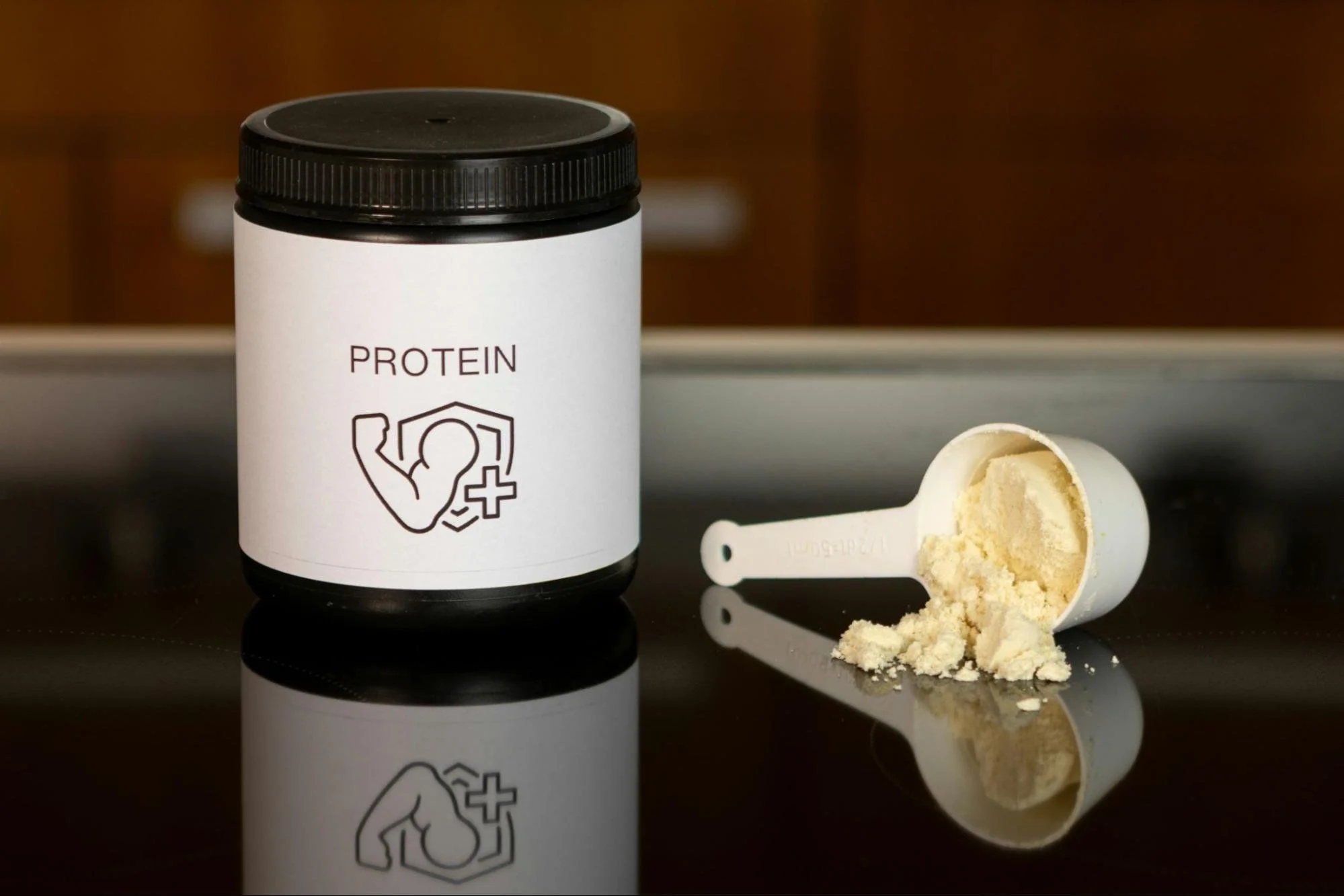
Plant protein has a reputation problem, and most of it is deserved. Anyone who has choked down a chalky, gritty shake that thickened into cement halfway through drinking it knows exactly why people go back to whey.
The frustrating part is that the problem is usually formulation rather than plants. The protein source, the sweetener, and the thickeners all shape whether a powder is pleasant to drink, and most brands optimise for the number on the front of the bag instead.
Key Takeaways
The protein source drives taste and texture more than any other single factor.
Pea and soy dominate the category, which is why most plant proteins taste similar.
Artificial sweeteners are the most common cause of a lingering aftertaste.
Gums and thickeners are frequently there to hide texture problems rather than to help.
Check the amino acid profile, since plant sources vary in what they deliver.
You do not need to be vegan to buy plant protein.
Why Plant Protein Gets a Bad Reputation
Two complaints come up repeatedly, and both are texture rather than nutrition. Grittiness, which is the source not dissolving properly, and excessive thickness, which turns a shake into a pudding within a minute of mixing.
Flavour is the third issue, and it compounds the first two. Many plant sources carry an earthy or beany base note, which brands then bury under heavy sweetening rather than fixing at the source.
The Protein Source Decides Almost Everything
Pea Protein
Pea is the default across the category because it is affordable, widely available, and reasonably high in protein. It is also the source most responsible for the texture complaints above.
Pea protein tends toward thickness and carries a distinct earthy note. Brands compensate with gums and sweeteners, which is how ingredient lists get long.
Soy Protein
Soy has been used in protein powders longer than almost anything else and has a solid amino acid profile. Its problem is not performance but preference.
A significant number of people avoid soy, whether for allergy reasons, digestive comfort, or personal choice. That single fact removes it from consideration for a large share of buyers.
Rice Protein
Rice is the less common route, and it behaves differently. It generally mixes thinner than pea and carries a milder base flavour, which gives a formulator more room to work with.
The consideration to check is the amino acid profile. Rice protein is naturally lower in lysine than dairy protein, so it is worth looking at published amino acid data rather than only the protein-per-serve figure.
Multi-Source Blends
Blending several plant sources is the standard fix for amino acid gaps. The trade-off is complexity, since each additional source brings its own flavour and texture behaviour into the mix.
Longer blends are not automatically better. A blend of five proteins can taste worse than a well-formulated single source, which is the argument behind the brands going the other way.
What Else Is on the Label

Anyone comparing plant protein powder options should read past the protein figure to the three lines that actually determine daily usability.
Sweeteners, thickeners, and testing tell you more about a product than the headline grams do.
BearWell is a useful illustration because the brand has published its formulation principles ahead of launching.
Its plant range is being built around rice protein specifically to avoid pea and soy, with the stated aim of eliminating the bad taste, excessive thickness, and grittiness associated with them.
Sweeteners
Sucralose and acesulfame potassium are the two names to look for. Both do the job cheaply, and both are responsible for the artificial aftertaste people describe as chemical or lingering.
BearWell states its flavoured range is being developed without either. The stated goal is balanced flavour rather than heavy sweetness, which is a different formulation target from most of the category.
Gums and Fillers
A short ingredient list is not automatically a good one. The more useful question is whether every ingredient has a purpose you could have explained to you.
BearWell frames this directly, stating the objective is not the shortest possible list at any cost but only ingredients contributing meaningfully to nutrition, flavour, texture or quality. That is a reasonable standard to hold any brand to.
Contaminant Testing
This matters more with plant proteins than with dairy. Plant-derived raw materials can carry heavy metals depending on growing conditions, and testing is the only way to know.
BearWell states its finished plant protein will undergo quality and contaminant testing before release, with confirmed testing information published once the commercial formula is finalised. Ask any brand for the same, and treat a vague answer as an answer.
You Do Not Have to Be Vegan
This is worth saying because the category markets itself narrowly. Plenty of people use plant protein simply because they avoid dairy, or because they alternate between sources across the week.
Lactose intolerance is the obvious driver, but it is not the only one. Some people simply find plant protein sits more comfortably, which is reason enough without any dietary label attached.
Where BearWell Is Up To
Worth being clear about timing. The BearWell plant range is in development rather than on sale, with the brand currently taking launch list registrations.
Planned options are Unflavoured, Smooth Vanilla and Chocolate Mousse, in full-size packs and single-serve sachets. Flavours and formats are described as subject to confirmation before release.
Conclusion
Choosing a plant protein comes down to three questions rather than a comparison of protein percentages.
What is the source, what is doing the sweetening, and can the brand explain why every ingredient is in there?
The category is finally moving past treating plant protein as a lesser substitute for whey. Products built as their own thing, with the texture and flavour problems solved at the source rather than covered up, are the ones worth waiting for.
Frequently Asked Questions
Why does plant protein taste gritty?
Grittiness usually comes from the protein source not dissolving fully, and pea protein is the most common culprit. Formulation and particle size make more of a difference than the plant itself.
Is rice protein a complete protein?
Rice protein is naturally lower in lysine than dairy protein. Check the published amino acid profile of any product rather than relying on the protein-per-serve number alone.
Is plant protein as good as whey?
They are different rather than ranked. Whey is more concentrated in some amino acids, while plant protein suits people avoiding dairy and can absolutely support training and daily intake when formulated properly.
What sweeteners should I avoid?
Sucralose and acesulfame potassium are the two most often linked to a lingering artificial aftertaste. Whether you avoid them is a taste preference rather than a safety question.
Do I need to be vegan to use plant protein?
No. Many buyers use it for dairy avoidance, digestive comfort or simply to alternate between protein sources.
How much protein do I actually need?
That depends on your body weight, training load, and overall diet, so it is worth speaking to a dietitian rather than following a generic figure. Protein powder is a convenience food rather than a requirement.
