
How To Choose A Red Light Therapy Device With Confidence
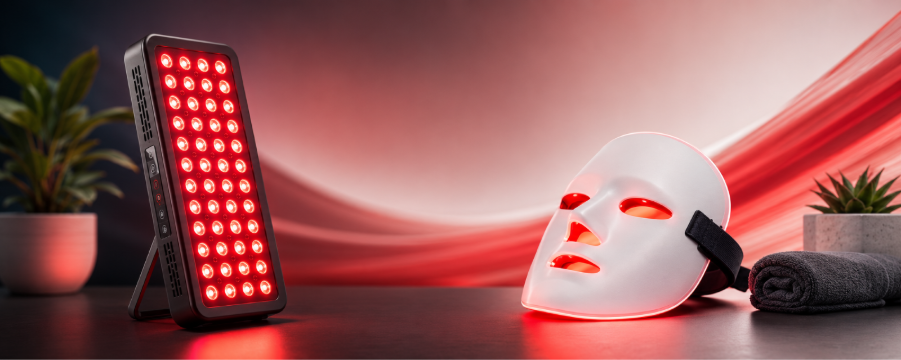
The selection of a red light therapy device is not as easy as simply choosing the product with the best number of LEDs or the most advertised power. Numerous devices have similar claims, but their real performance can differ a great deal. You may waste more than you need by buying a device that fails to satisfy your needs without knowing what specifications matter and how to make comparisons.
The best way to buy with confidence is to compare objective data instead of marketing promises. Verified performance, treatment coverage, wavelength, and safety-related specifications can provide you with a far more accurate picture of how a device can actually perform in the real world. An organized comparison can also assist you in targeting the characteristics that support your own wellness objectives.
This guide will show you how to assess red light therapy devices step-by-step so that you can make an evidence-based decision.
Identify Treatment Goals
Start by deciding what you want your red light therapy device to help you achieve.
Your objectives can be to keep your complexion healthier-looking, improve muscle recovery, or deal with aching joints. Begin with purpose definition, so that you can compare products better.
Red light therapy should not be chosen simply because of the marketing effect or the number of LEDs included. Rather, when comparing valuable specifications like wavelength, irradiance, treatment coverage, and safety, you might learn more about how various devices perform. A dedicated red light therapy comparison would enable you to compare these specifications and find the options that match your wellness objectives.
Since selecting the appropriate device should rely on the knowledge of both technical specifics and individual needs, it is better to analyze the data presented by reputable independent third-party experts. One informative resource is a recent Outliyr tool for red light therapy comparison, which explains how different devices can be assessed based on performance measurements, key specifications, and factors that influence the overall user experience.
2. Match Wavelengths to Needs

After identifying your treatment objectives, compare the wavelength specifications of each device. Legitimate manufacturers are expected to clearly disclose the wavelengths they operate on instead of generalizing about red light therapy. Clear specifications enable you to know easily whether a device fits your intended use.
A lot of devices mix visible red light, usually around 630 to 670 nanometers, with near-infrared light between 810 and 850 nanometers. A combination of wavelengths can be used to help achieve various treatment objectives due to the difference in the penetration of the various ranges in tissues.
Rather than assuming every device performs the same, compare the published wavelength ranges carefully.
Studies also indicate that photobiomodulation depends on treatment parameters. A review describes the role played by wavelength selection in therapeutic effectiveness and the importance of selecting appropriate treatment parameters.
3. Compare Verified Performance
Manufacturer specifications make a good starting point; however, they should not be the sole consideration.
Use independent, verifiable data on performance whenever you can, rather than paying attention only to data that has been advertised. Standardized measurements provide a better method of assessing various devices.
Pay close attention to irradiance and the distance at which it is measured. There are manufacturers who report at the panel, and others report at practical treatment distances. Comparing performance results under the same conditions will assist you in appreciating real-world performance.
The duration of treatment is also important. Increased confirmed irradiance can also decrease the time we require to administer a similar dose of light when measurements are precise. Measuring irradiance and treatment distance provides you with a better understanding compared to power claims.
4. Review Safety Features
Performance is critical, but safety and quality of the building should also play a part in your choice. Factors to be considered before buying include coverage of treatments, cooling systems, warranty, and the general construction. A long-lasting device with considerate design attributes is more inclined to offer regular functioning over time.
When safety-related specifications are provided, you should also go through them. A few comparison resources measure electromagnetic field (EMF) levels, flicker, and operational noise, which can affect the overall user experience. Although they are not the immediate deciding factors, open reporting illustrates the focus of a manufacturer on product quality.
Current research continues to evaluate safe and effective photobiomodulation practices. A 2024 review published summarizes recent evidence on treatment parameters, safety considerations, and clinical applications, providing useful context when comparing devices.
5. Compare Overall Value
The ultimate process is to make a comparison of your shortlisted devices based on all the information that you have obtained. Instead of comparing price alone, evaluate each device based on wavelength range, validated irradiance, treatment coverage, safety measures, warranty, and build quality. When considered in combination, these specifications will provide a more balanced perspective of total value.
Independent reviews and side-by-side comparison tools can also help identify meaningful differences that may not be obvious on manufacturer websites. Reviewing objective data from multiple sources reduces the risk of making a decision based solely on marketing claims.
Avoid rushing your purchase. The best red light therapy device is not necessarily the one with the highest advertised specifications or the largest number of features. The right choice is the device that aligns with your treatment goals, provides transparent performance data, and offers reliable long-term value.
Choose With Confidence
Choosing a red light therapy device with confidence starts with understanding what to compare. By identifying your treatment goals, reviewing wavelength specifications, comparing verified performance data, evaluating safety features, and considering overall value, you can make a decision based on evidence instead of advertising.
Before purchasing, compare devices using consistent specifications and independently third-party verified information, like the tool built by Nick. Taking a systematic approach will help you select a device that fits your needs, supports your wellness goals, and provides greater confidence in your investment.
