
How to Manage Stress While Pursuing Weight Loss Goals
Three weeks of eating well and nothing moves on the scale. Most people tear apart their meal plan at that point. But the diet usually isn't the problem.
Cortisol stays elevated and your body gets confused about priorities. Fat storage goes up. Hunger gets harder to ignore. Ask anyone going through weight loss telemedicine what actually derails them, and most won't say the diet.
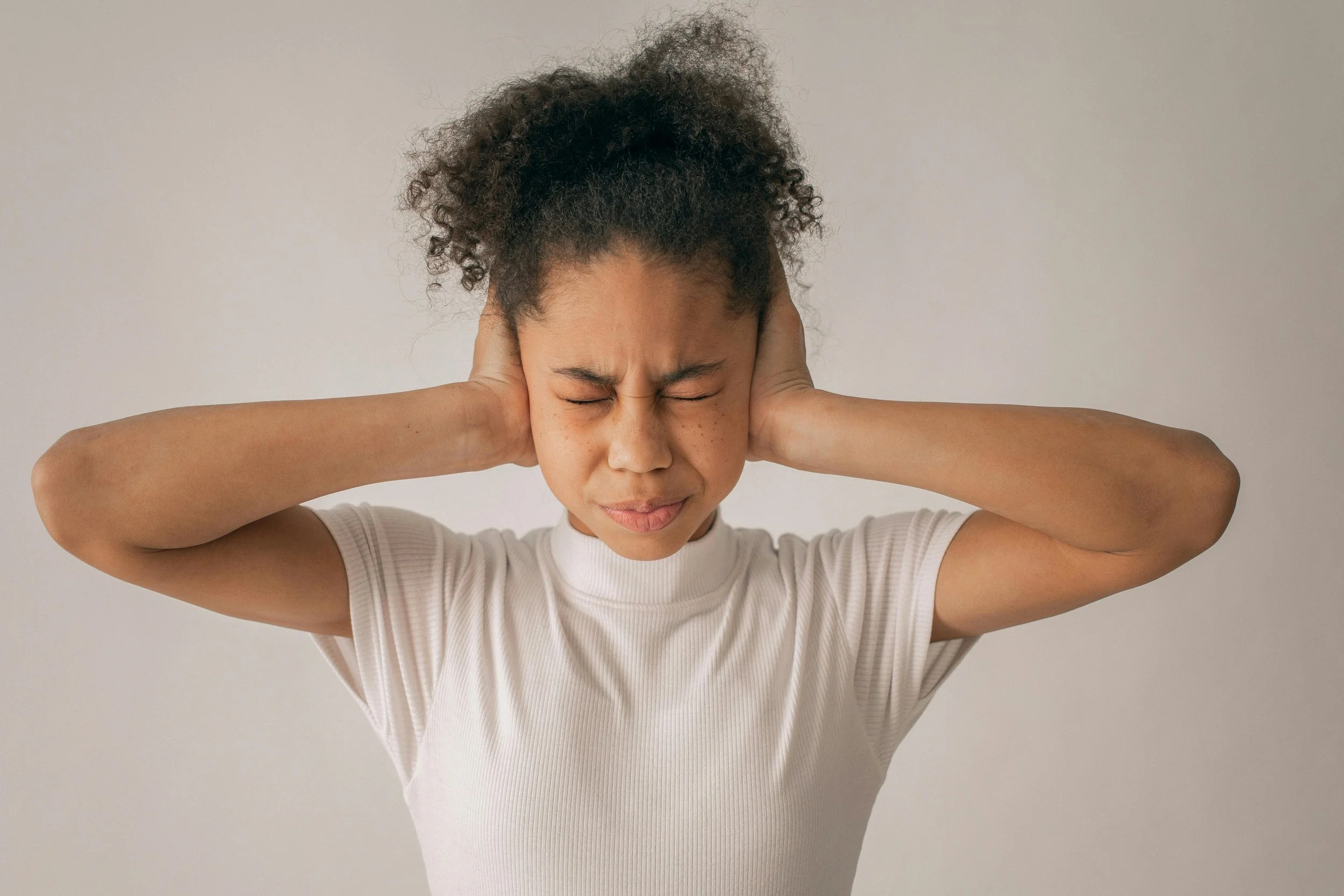
Why Your Body Holds Onto Fat When You're Stressed
Your nervous system doesn't rank threats. A tense meeting gets the same cortisol response as something genuinely dangerous. Fat storage climbs. Appetite follows. None of that is a choice your body asks permission to make.
The Sleep and Hunger Loop Nobody Talks About
Sleep drops off and ghrelin spikes fast. You eat a full meal and still feel hungry an hour later because leptin, the hormone that's supposed to signal fullness, has dropped too. The National Institutes of Health tracked this in people already monitoring their diet and found calorie intake went up anyway. Tired and hungry is a rough place to start a morning from.
Why Long-Term Stress Hits Differently
A sudden scare spikes cortisol and then it clears. The kind of stress most people carry doesn't clear. Work, family pressure, poor sleep, it just layers. Metabolism slows somewhere in there and belly fat gets stubborn, and most people respond by tightening up the diet instead of looking at the actual load they're carrying.
Habits That Actually Bring Cortisol Down
A packed schedule doesn't need more things added to it. Ironically, that's where most advice fails, piling on habits that feel like homework until you drop them all. One small thing repeated daily does more than four things attempted once. Here are four worth knowing about:
Slow breathing: Four counts in, six counts out, five minutes. The longer exhale is the actual mechanism. Short exhales keep your nervous system stuck in alert mode. Longer ones don't.
Morning sunlight: Outside within 30 minutes of waking. Your cortisol rhythm anchors to light cues, and getting this right quietly improves how fast you fall asleep at night too.
Cold water on your face: Genuinely fast, genuinely effective. Not comfortable, but it slows heart rate within seconds when stress spikes hard during the day.
Short post-meal walks: Ten minutes after eating. Blood sugar spikes drop noticeably, and fewer spikes across the day means fewer cortisol surges your body has to deal with.
Why Attempting All Four Usually Backfires
Week one, all four habits. Week two, maybe two. Week three, zero. Pick the one that fits your current life without reshuffling anything. Two weeks of that, consistently, then think about adding another. Habits layer well when they're not competing with each other from day one.
Rest Does More for Fat Loss Than Most Plans Admit
Most programs don't budget time for recovery. You eat, you train, you repeat. But without actual rest built in, the body stops adapting well past a certain point, and no extra session fixes that. Cortisol regulation, tissue repair, hunger hormone balance, all of that happens during recovery, not during the workout.
Sleep quality over total hours, every time:
Pick a wake time and hold it daily, weekends included. Without that anchor your internal clock drifts, and falling asleep gets harder across the week
Phone down 30 minutes before bed. Not a wellness suggestion, just what actually works. The stimulation keeps processes running that should be winding down
Cool bedroom, somewhere between 65 and 68 degrees. Your body needs to drop temperature to reach the deeper stages where recovery happens
Skip alcohol within three hours of sleep. One drink seems harmless but it cuts REM short and leaves cortisol measurably higher by morning
What a Drink Before Bed Actually Does
You feel sleepy after a drink but the brain isn't resting the way it should. REM gets fragmented. Morning cortisol runs higher. Hunger is stronger. A lot of dads reach for something to decompress after a hard day, and that habit makes emotional sense. The body just doesn't get the recovery it needs when that becomes the nightly pattern.
What You Eat Shapes How Stressed Your Body Feels Inside
Calories get most of the attention in diet advice. But food also controls background inflammation, and that matters a lot when cortisol is already running high. Processed foods keep that inflammation simmering even on calm days, which means the stress system never fully powers down. Protein and fiber steady blood sugar and cut the energy crashes that push cortisol up between meals. Looking atnutrition habits built for men through that lens, what does this meal do to my stress load, changes which choices actually make sense.
Specific nutrients that directly help the body handle cortisol:
Magnesium: Leafy greens, pumpkin seeds, dark chocolate. Most American adults don't hit daily needs, and that shortfall links directly to worse anxiety and worse sleep.
Omega-3 fats: Salmon, sardines, walnuts. Regular intake measurably lowers cortisol response over time, per research from theHarvard T.H. Chan School of Public Health.
Consistent meal timing: Skipping meals is a cortisol trigger on its own. Eating at regular intervals removes it before it builds.
When Cutting Calories Hard Makes Stress Worse
Dropping calories steeply while already stressed usually backfires within days. Your body interprets that deficit as another threat and responds by ramping cravings up, not down. A moderate cut with solid protein keeps that from happening because the body doesn't feel like it's under attack. Tried a strict cut before, felt terrible, ate everything in sight by day four? That's why.
The Mental Piece That Rarely Gets Addressed
Workout logs and food tracking cover a lot. What nobody puts in the plan is what happens mentally after a rough week or a session you skipped. Missing a workout and then thinking hard about how you ruined everything is itself a stressor. The brain generates a cortisol response from that thought pattern just like it would from physical danger. Cravings follow. More off-plan eating follows that. Most people never connect where the cycle started.
Dads feel this in a particular way. The expectation to stay consistent, stay healthy, and hold it together for everyone else sits alongside stress that rarely gets named out loud. Building mental resilience as part of the health plan, not as an afterthought, is what actually keeps the physical habits standing when a hard month hits.
Turning a Bad Day Into Something Useful
One bad evening doesn't undo three good weeks. But treating it like it does causes more damage than the missed workout ever could. When something falls apart, get curious about it instead. What happened that day? What was different? That approach keeps cortisol lower and shortens how long it takes to get back on track. The people who stay consistent longest aren't perfect. They just recover from setbacks faster.
Where Progress Actually Comes From
Fat loss holds up over time when chronic stress isn't quietly working against it in the background. Sleep, food choices, daily habits, and how you handle hard days all connect. Get one of those working better and the others tend to follow. Pick sleep and one stress habit. Start there, not everywhere at once. Slow and repeated beats fast and abandoned every time.
Related:
