
How to Plan a Custom Home Build Without Delays or Budget Surprises
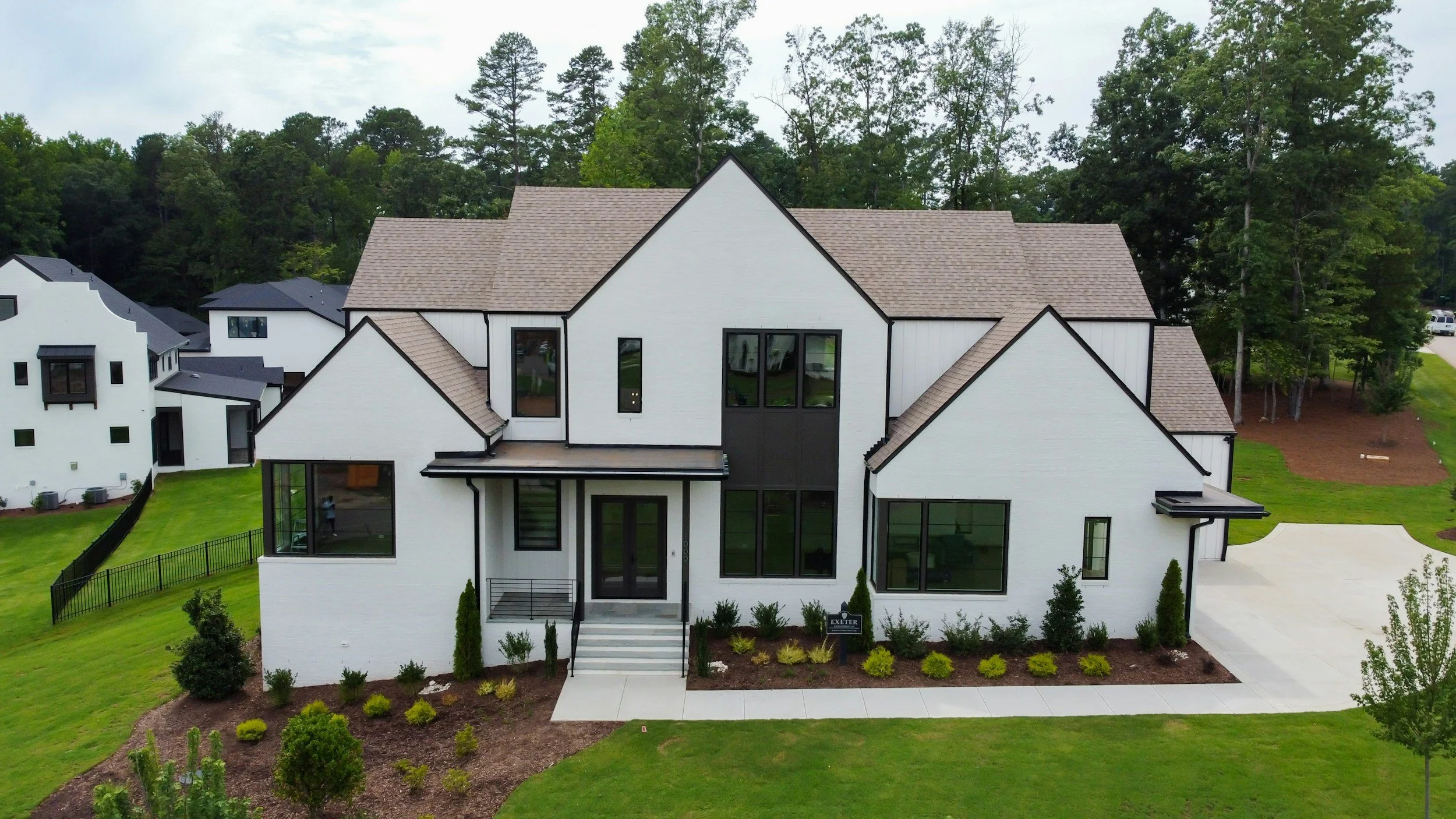
Building a home from the ground up is an exciting opportunity to create a space that reflects your lifestyle. However, without careful planning, the process can face unexpected delays or costs. A thoughtful approach helps ensure each stage runs smoothly and aligns with your vision and budget.
Setting Clear Goals and Expectations
Before starting any design or construction work, define your priorities. Consider the size of your home, the number of rooms, and the design features that matter most. Having a clear set of goals allows the custom home builder to translate your ideas into realistic plans and timelines.
Clarify your expectations early. This includes setting limits for upgrades or materials and agreeing on how decisions will be finalized. Clear communication helps prevent misunderstandings that can lead to costly changes later.
Creating a Practical Budget
Budgeting is one of the most challenging aspects of a home build. Begin by listing every potential cost, from land preparation and permits to finishes and landscaping. Include a contingency fund, typically 10 to 15 percent, for unexpected expenses that arise during the process.
Request detailed estimates from your builder and suppliers. Break down costs by category to identify where you can adjust if needed. This transparency ensures you stay informed and can make smart financial decisions at each stage.
Choosing the Right Location and Design
The location of your home influences design, materials, and long-term maintenance. For example, those planning florida coastal homes must account for weather conditions, humidity, and local building codes. Selecting durable materials suited for the environment helps protect your investment.
Work with design professionals who understand the area’s regulations and topography. Proper site evaluation prevents structural issues and ensures your home takes advantage of natural light, ventilation, and views.
Developing a Realistic Timeline
Construction timelines depend on design complexity, material availability, and permit approvals. Establish a schedule that includes milestones for each phase, such as foundation work, framing, and finishing. Allocate extra time for inspections or unforeseen weather delays.
Regular progress updates with your builder help maintain accountability. If adjustments are needed, address them promptly to avoid compounding delays later in the project.
Maintaining Strong Communication
Consistent communication between homeowners, designers, and contractors is key to avoiding confusion. Schedule regular meetings to review progress, discuss challenges, and confirm next steps. Document all decisions and approvals for reference.
When everyone understands the project scope and responsibilities, it reduces the likelihood of errors or rework. Clear communication also fosters trust and collaboration among all parties.
Managing Changes Wisely
Design changes are common in custom builds, but they must be handled carefully. Even small modifications can affect costs and schedules. Before approving any change, review its impact on materials, labor, and timing.
Establish a formal process for change orders. This ensures transparency and helps track financial adjustments accurately, protecting both the homeowner and the builder.
Ensuring Quality and Compliance
Quality control throughout construction prevents issues that could require expensive repairs later. Schedule inspections at key phases and verify that materials meet agreed specifications. Compliance with local codes and energy requirements is equally important for safety and long-term value.
Partnering with a reputable builder who prioritizes craftsmanship and communication helps ensure your project stays on track. With careful planning, clear budgeting, and consistent oversight, your custom home can be completed efficiently and without unwelcome surprises.
