
How to Reduce Estimation Errors in Roofing Projects
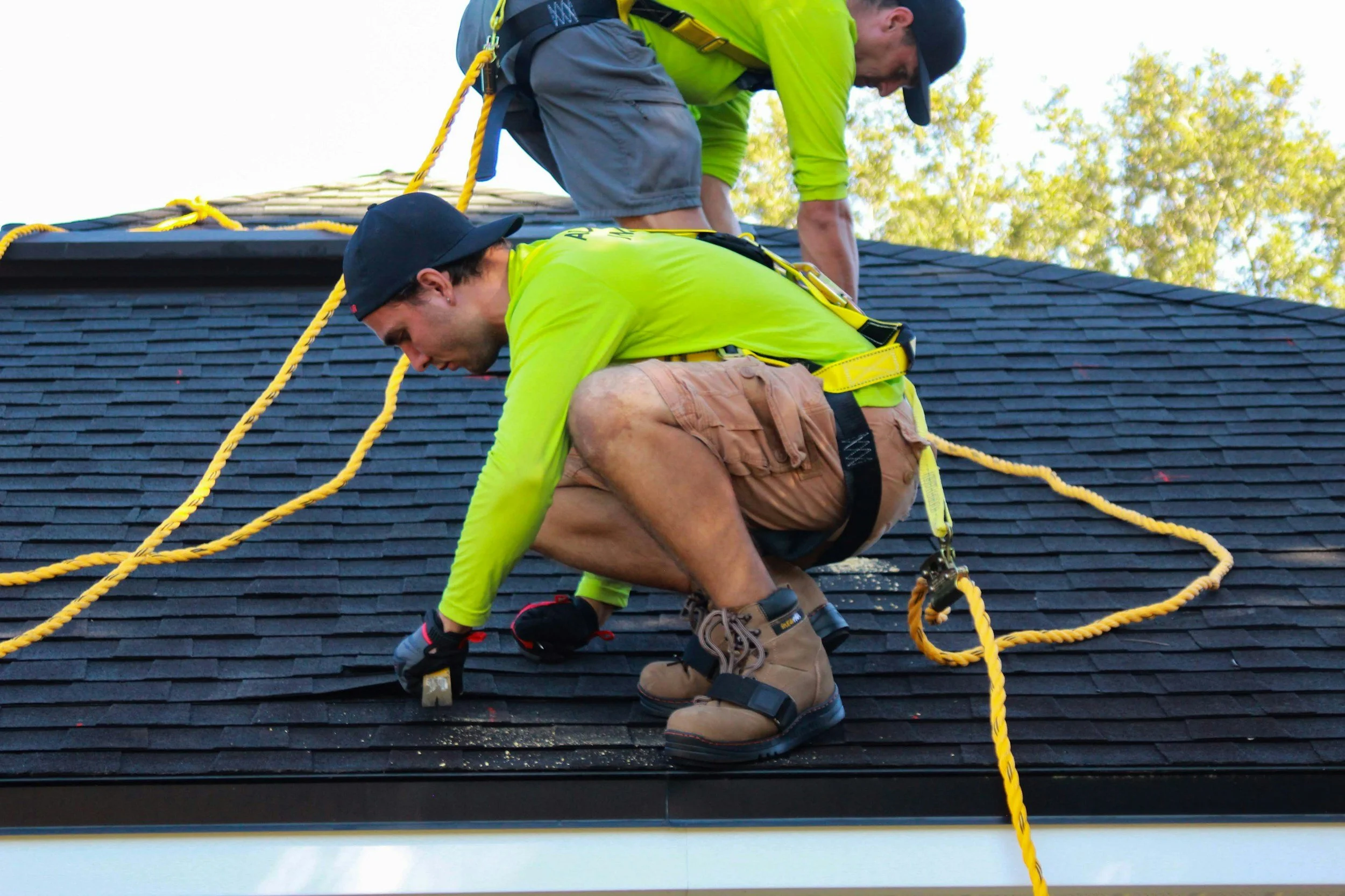
Accurate cost estimation is one of the most important parts of managing a roofing project. Even small errors can affect budgeting, scheduling, and material planning. Reducing estimation mistakes requires a mix of careful measurement, reliable tools, and consistent evaluation of project data.
Understanding Common Estimation Challenges
Roofing estimates can be affected by several factors, including roof complexity, regional pricing differences, and unexpected structural issues. Inaccurate measurements or missing details during inspection are frequent sources of error. Understanding these challenges helps professionals create more dependable project plans.
Improving Measurement Accuracy
The first step toward precise estimation is accurate measurement. Roof pitch, slope, and surface area must be calculated correctly to determine material quantities. Errors in these calculations often lead to shortages or excess materials, both of which affect project efficiency.
Using a roofing calculator helps standardize measurements. It allows contractors to input dimensions and instantly receive a materials estimate. This reduces the chance of manual miscalculations, especially on complex roof shapes.
Leveraging Digital Estimation Tools
Modern digital tools have changed how roofing professionals approach estimation. Platforms like Instant Roofer simplify data entry and provide consistent formulas for cost projection. These tools can incorporate factors such as roof size, material type, and regional pricing to create more reliable estimates.
Digital calculators also store historical data, allowing teams to compare previous projects. Reviewing this information helps identify trends and improve future accuracy. Consistent use of such tools minimizes the impact of human error in repetitive calculations.
Considering Environmental and Structural Conditions
Each roofing project is unique. Elements like weather exposure, ventilation, and underlying structure condition influence both material selection and installation time. Ignoring these conditions during estimation often leads to cost overruns or scheduling delays.
Including site-specific evaluations ensures estimates reflect realistic timelines and material requirements. Careful inspection of insulation, decking, and drainage prevents costly mid-project changes.
Enhancing Communication and Documentation
Clear communication between project stakeholders is essential for accurate estimates. Misunderstandings about scope or materials can cause discrepancies in cost projections. Documenting every detail, from material specifications to labor expectations, reduces confusion later in the project.
Regularly updating documentation when changes occur keeps everyone aligned. Using shared digital records ensures that estimators, suppliers, and installers work from the same data set.
Incorporating Quality Control Practices
Quality control begins before installation. Reviewing estimates for completeness and cross-checking quantities helps identify inconsistencies early. A second review by another team member often reveals errors that might be missed by the original estimator.
Verify material measurements and supplier pricing.
Compare estimated labor hours with past similar projects.
Check that all roof sections and accessories are included.
Account for disposal and cleanup costs.
Such reviews reinforce accountability and improve overall accuracy over time.
Training and Continuous Improvement
Estimation accuracy improves when teams receive ongoing training. Understanding new materials, installation techniques, and pricing models keeps estimators current. Workshops and peer reviews also help share best practices across crews.
Tracking estimation performance across multiple projects provides valuable insights. Over time, patterns in cost variance reveal where assumptions need adjustment or where additional data collection is necessary.
Building a Culture of Precision
Reducing estimation errors is not only about tools or procedures, but also about developing a culture that values accuracy. When teams treat estimation as a critical skill, they become more attentive to detail and proactive about verifying calculations.
Combining reliable measurement methods, digital tools like Instant Roofer, and strong communication habits leads to consistent project outcomes. A disciplined approach to estimation protects budgets, strengthens client trust, and enhances professional credibility in every roofing project.
Related:
