
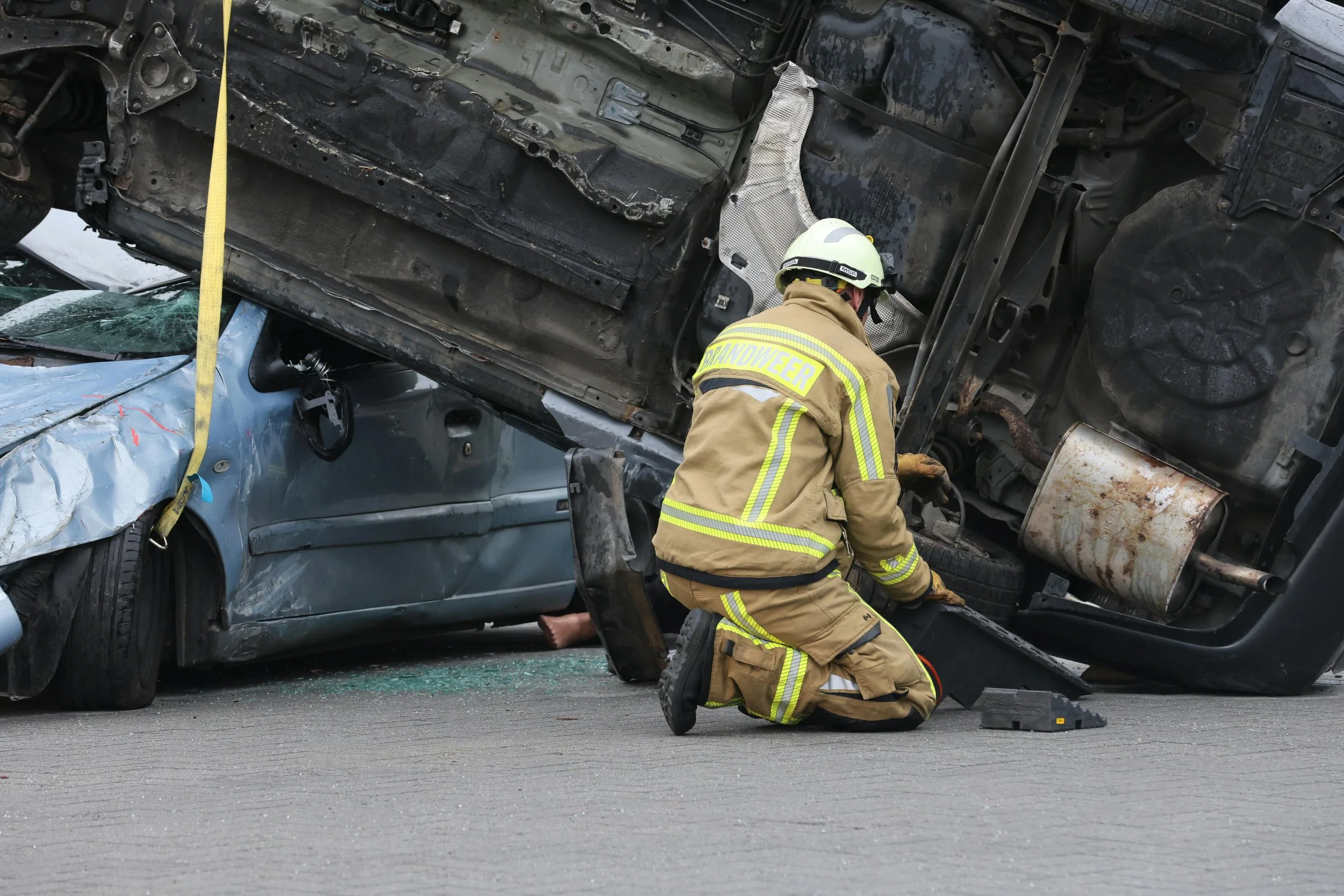
Have you ever had your heart racing the moment you returned to driving following an accident?
That's not a weakness. That's your brain doing what it was built to do. After a serious accident, the threat response system kicks into overdrive and stays there -- sometimes for months.
Here's what most people don't realise:
- This response is automatic
- It can show up weeks after the crash
- It can wreck your daily driving without warning
The good news? Hypervigilance is treatable -- but it takes the right help and a clear understanding of what's going on.
Here's what's covered:
1. What Hypervigilance Actually Is
2. Why The Brain Reacts This Way After A Crash
3. The Hidden Cost (And Why It Matters For Your Claim)
4. How To Spot The Signs Early
5. What You Can Do About It
What Hypervigilance Actually Is
Hypervigilance is the brain stuck in "danger mode."
It's that feeling where every brake light, horn and lane change feels like a threat. Your shoulders tense up. Your eyes dart everywhere. You flinch at sounds that wouldn't have bothered you before.
This is more than nerves. It's a recognised symptom of post-traumatic stress disorder, and motor vehicle accidents are one of the leading causes of PTSD in the general population.
PTSD is estimated to affect about 32.3 percent of car accident victims. In other words, approximately 1 in 3 people who survive a serious accident will experience some type of trauma response.
That's a lot of people. The most impacted? The survivors who, at the time, had a very real feeling that they were going to die when the crash occurred.
Why The Brain Reacts This Way After A Crash
Your brain has one job during a life-threatening event: keep you alive.
During a crash, the amygdala (your fear processor in the brain) hijacks the situation. Your body is flooded with adrenaline and cortisol. Heart rate accelerates. Breathing quickens. Sensory perception heightens.
This is the classic "fight or flight" response.
For most people, the response fizzles out when the danger is gone. But for some who survive accidents, the brain won't turn off. It stays on guard for danger -- even if you're just driving to the grocery store.
Why does this happen? A few reasons:
- The brain re-categorises driving as dangerous: It comes to associate cars and highways with death.
- Memory becomes hyperactive: Smells, sounds or even the time of day can trigger flashbacks.
- Sleep gets disrupted: The brain needs rest to process the trauma and "file it away."
When someone's been in a severe wreck and doesn't feel like themselves behind the wheel – this is why. Collaborating with a Dallas auto accident lawyer who understands the connection between trauma and healthcare costs following crash incidents can make all the difference in the battle for compensation that includes mental treatment – not only fractured bones.
The Hidden Cost (And Why It Matters For Your Claim)
In most people's minds, the aftermath of a crash involves physical injuries. Financial repercussions can be just as significant in trauma cases.
Here's what the numbers say:
The National Highway Traffic Safety Administration has found that the average medical treatment cost following an injury from a car accident is just over $15,000. However, that only includes basic care, such as emergency treatment, imaging, and follow-ups.
It doesn't include:
- Therapy sessions for PTSD
- Ongoing psychiatric care
- Lost wages from missed work
- Long-term rehabilitation
When it comes to the severe side of things, it gets even more savage. The first year cost of care for a spinal cord injury for high tetraplegia has been measured at over $1.2 million dollars.
NOTE: Insurance companies often want to settle quickly – before symptoms have time to develop. That's a problem because hypervigilance and PTSD can take weeks or months to manifest. Settling too early typically means excluding major medical (after accident treatment) expenses.
This is why documentation is important. Every therapy bill. Every Rx. Every missed shift. It all matters.
How To Spot The Signs Early
Hypervigilance doesn't always look the way you'd expect.
Sometimes it's clear as day -- panic attacks, nightmares, refusing to drive. Other times, it creeps in slowly until people realise they've been avoiding highways for months.
The most common signs include:
- Constantly scanning for threats while driving
- Flinching at sudden movements or sounds
- Trouble sleeping or recurring nightmares
- Avoiding the road where the accident happened
- Sudden mood swings or angry outbursts
- Feeling detached or "numb" while driving
- Memory gaps about the accident itself
A person doesn't need to be experiencing all of these to be suffering from trauma. One or two consistent symptoms is something to take seriously.
Traumatic brain injury during the crash raises the stakes. Lifetime medical costs for a TBI range from over $85,000 to more than $3 million -- and TBIs make trauma processing far harder.
What You Can Do About It
The brain isn't damaged. It's just stuck in a loop. The good news is there are established methods to break the loop.
See A Doctor Early
The biggest mistake survivors make? Waiting too long to get help.
If symptoms persist for more than a few weeks, consult a doctor. Cognitive behavioural therapy and EMDR have both been proven effective for accident trauma.
Document Everything
Keep a symptom journal. Record when symptoms occur, what sets them off, and how long they last. This accomplishes two things:
1. It helps the doctor diagnose and treat faster
2. It provides a paper trail to back up claims for medical costs following accident occurrences
Be Patient With Yourself
Recovery is not a straight line. There will be good days and bad days. Don't compare timelines to anyone else.
Get Legal Help Before Settling
Insurance adjusters are not concerned with what is best for the survivor. They want to close the file at the lowest cost to the insurance company. An experienced legal team will ensure the settlement includes: physical injuries, mental health counseling, lost wages, future medical expenses, and more.
Final Thoughts
Hypervigilance behind the wheel is a real, recognised brain response -- not a sign of weakness. It can affect around a third of serious accident survivors and can continue long after visible injuries have healed.
To recap:
- The threat response is automatic and can take weeks to appear
- PTSD affects roughly 32% of accident survivors
- Average medical costs run around $15,000 -- severe cases hit millions
- Early treatment, documentation and legal support all matter
If any of these boxes get checked following a major collision, pay attention. Seek appropriate treatment, track symptoms and ensure that any settlement takes these factors into consideration.
Something very serious happened to the brain. Respecting that is the first step in returning to normal.
