
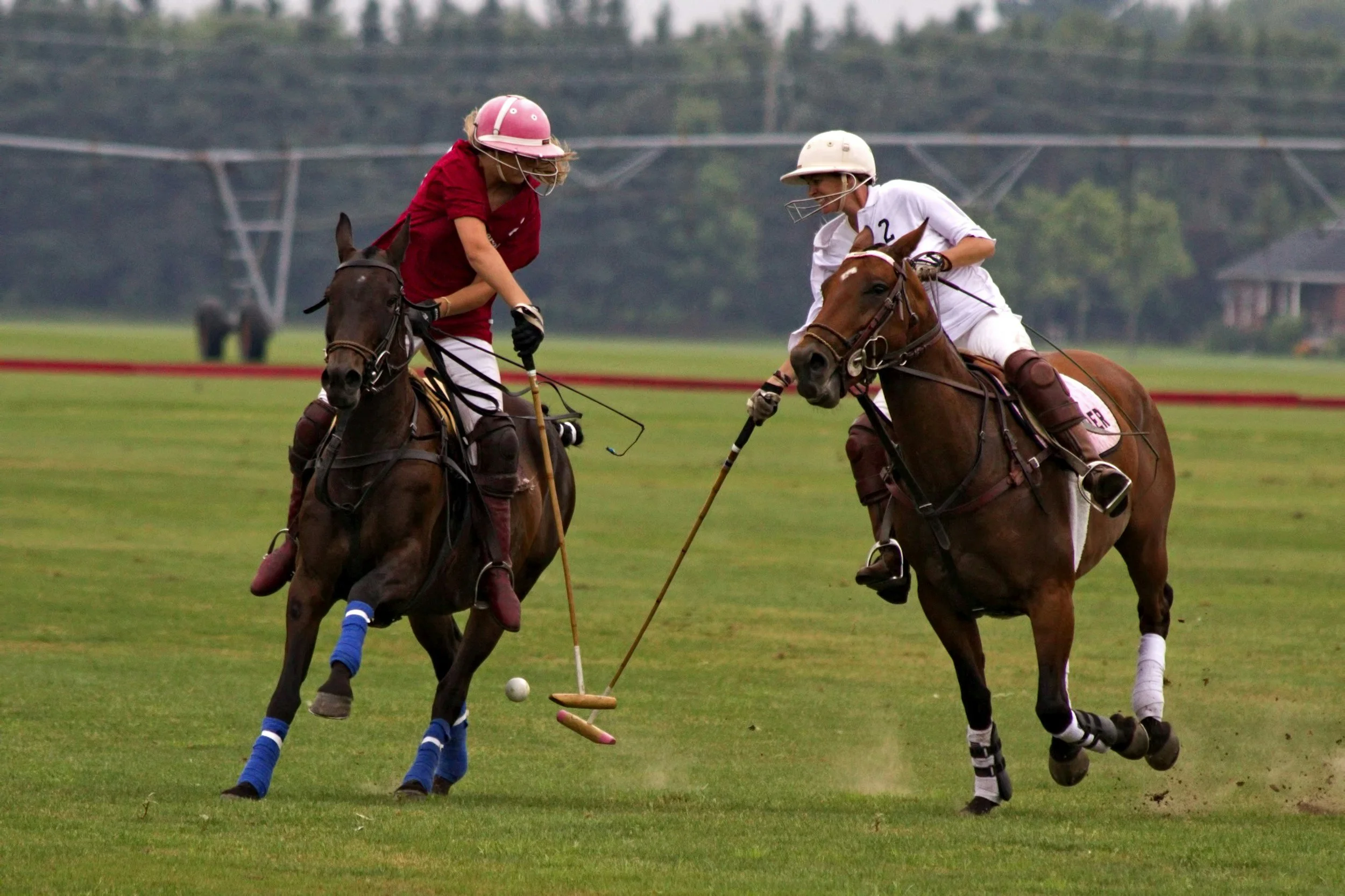
As the 133rd Argentine Open gets underway in Palermo, we look at why the country dominates the sport, and at a Mar del Plata school that teaches it to newcomers from around the world.
Every November, Buenos Aires turns into the centre of the polo world. The 133rd Argentine Open Polo Championship, played at the Campo Argentino de Polo in the Palermo neighbourhood, runs from November 10 to December 12, 2026, with the final set for Saturday, December 12. It closes the Argentine Triple Crown, a three-tournament run that also includes the Hurlingham Open and the Tortugas Open. For players, winning all three is the biggest achievement in the sport.
Argentina’s grip on the game is not a matter of opinion. The Palermo Open is open to teams rated between 28 and 40 goals, the highest level of competition anywhere. Most of the players at that level are Argentine. To understand how one country came to own a sport invented somewhere else, you have to look at its history, its horses, and how it teaches the game.
From British Estancias to a National Obsession
Polo is generally traced back to ancient Persia, but it reached Argentina in the 1870s with British immigrants who played it on the estancias, the big ranches of the pampas. The sport suited a country that already had a deep horse culture and huge stretches of flat grassland. Within a generation, it had stopped being a hobby for foreigners and become part of Argentine identity.
The record books show how deep that tradition goes. The Argentine Open has been played every year since 1893. Coronel Suárez is still the most successful club in its history, with 25 titles. Adolfo Cambiaso, widely seen as the greatest player of the modern era, has the longest gap between a first and most recent Palermo title: 31 years, from 1994 to 2025.
The 2025 edition added another chapter. La Natividad–La Dolfina won the 132nd Argentine Open and completed a Triple Crown sweep of Hurlingham, Tortugas and Palermo. Ellerstina finished runner-up, a run that also marked the Open debut of young Cruz Heguy.
Even the top level keeps changing. For the 2026 season, Juan Martín Nero was dropped to a 9-goal handicap after seventeen straight years at the maximum 10 goals. Over that time he collected twelve Argentine Open titles and four Triple Crowns. The change shows how strictly Argentina keeps its handicap system up to date.
The Horse Factor
Players explain only part of Argentina’s dominance. The other part is the horses. Argentine breeders have spent more than a century refining the polo pony, which has to be fast, tough, quick to turn and calm under pressure. In a top-level match one player may use several horses, changing between chukkas, so the quality and depth of a string can decide a game. Argentina’s pampas, mild climate and breeding know-how give it an advantage that is very hard to copy.
That same infrastructure, with fields, stables and well-trained horses, is what makes the country a natural place to learn polo as well as watch it.
Argentina Polo School: Learning the Game in Mar del Plata
About 400 kilometres south of Buenos Aires, in the Atlantic resort city of Mar del Plata, Argentina Polo School has been teaching students from around the world since 2020. The school works out of the Mar del Plata Polo Club in Parque Camet and uses the club’s fields, stables and horses.
Its pitch is simple and unusual for a sport known as elitist: polo for all ages and all levels. Complete beginners, returning players who have been away for years, and experienced amateurs working on their game all train in the same place. Students can ride the school’s horses or bring their own, and the club is set up for families as well as individual players.
The coaching staff mixes local knowledge with international experience. Among the school’s instructors is Anton Chasnikov, a player with more than 20 years of competition and training in both England and Argentina.
Training Built Around Real Play
Many polo programmes stop at drills. Argentina Polo School puts weight on match play: students take part in practice chukkas and tournaments, so they get used to the speed, positioning and decision-making of a real game, not just stick-and-ball work. Programmes can include personal coaching, team sessions and full-board packages. For foreign students, there is also an optional Spanish-language component.
Using the Global Off-Season
The school has also found a smart niche in timing. The Southern Hemisphere winter falls during the Northern Hemisphere’s quiet months, when fields in Europe and North America are mostly empty. By running programmes through that period, Mar del Plata gives players a way to keep their season going instead of losing months of practice. Coverage in specialist and travel media has also pointed to cost: playing in Argentina is still much cheaper than comparable programmes in the United States or Europe.
More Than a School
Argentina Polo School has also moved into the competitive side of local polo. In September 2025 it was named main sponsor of the First Tournament of the 2025 Polo Season at the Mar del Plata Polo Club. The deal included educational activities and introductory lessons for the public, and several young players trained at the school were expected to compete against experienced opponents.
Beyond the club in Mar del Plata, the school offers wider polo experiences, from private matches to countryside trips and the chance to play in Palermo in Buenos Aires.
Watch in Palermo, Play in Mar del Plata
For fans travelling to Buenos Aires this season, the two experiences go well together. The Palermo Open shows polo at its absolute peak: 40-goal teams, top-level horses and crowds that fill the historic stands. Mar del Plata is where visitors can get on a horse and find out for themselves why the sport is so demanding.
Polo is often called “chess on horseback,” and that description holds up on the field. It takes riding skill, hand-eye coordination, tactical awareness and real trust between player and horse. Argentina’s advantage has always come from building those skills from childhood and on a large scale. Schools like Argentina Polo School are now opening that system to people who did not grow up on an estancia.
With the 2026 Triple Crown heading toward its final weeks in Palermo, the message from Argentine polo is the same as ever: the best way to understand the game is to play it, and the best place to play it is still Argentina.
