
7 Key Tips for Maintaining the Exterior of a Family Home Efficiently
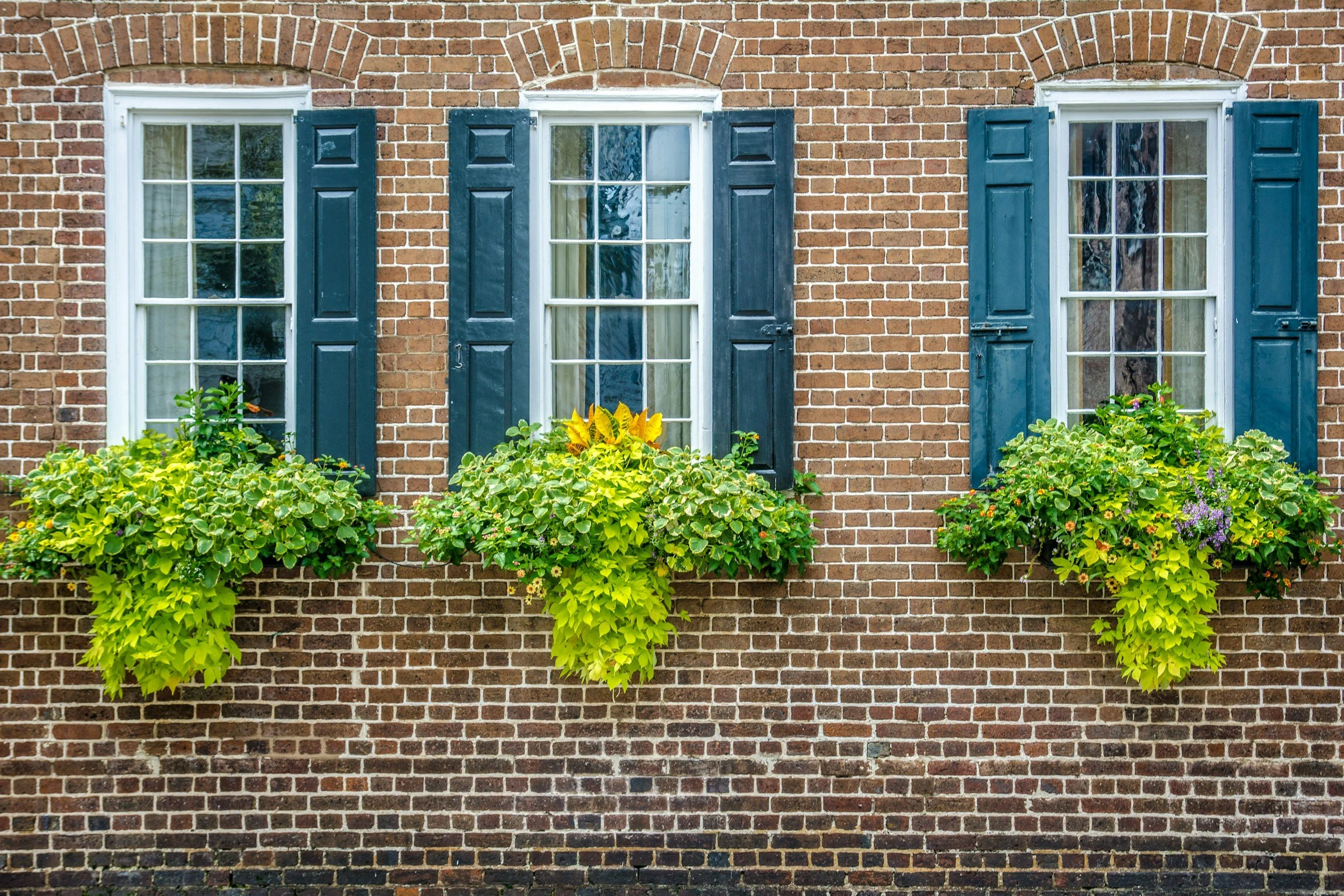
The exterior of a family home takes on constant exposure to weather, debris, and daily wear. Small issues outside can quietly develop into expensive repairs inside if left unattended.
Efficient exterior maintenance is not about constant work, but about smart routines and knowing where attention matters most. With a focused approach, homeowners can protect their property, improve appearance, and reduce long-term costs.
Exterior upkeep works best when it is proactive rather than reactive. Addressing early signs of wear helps preserve both structure and comfort and keeps maintenance manageable year after year.
Keep the Roof in Reliable Condition
The roof acts as the primary shield against rain, wind, and temperature changes. Missing shingles, damaged flashing, or clogged roof valleys often go unnoticed until leaks appear indoors.
Regular visual checks from the ground and scheduled inspections help identify problems early. During routine evaluations, homeowners often benefit from guidance offered by Maryland roofers or someone more local to you, particularly when assessing storm damage or aging materials. Professional insight helps confirm whether small issues require simple repairs or more involved solutions.
Keeping the roof in good shape protects insulation, ceilings, and structural framing beneath it. This sense of separation allows hosts to manage timing, pacing, and flow without external pressures.
Security and access control are simpler, as entry points are limited and clearly defined. Guests often feel more relaxed knowing the space is reserved solely for their group. That comfort can encourage longer stays, deeper conversations, and more meaningful engagement.
Maintain Gutters and Downspouts
Gutters manage water flow away from the home, protecting siding, foundations, and landscaping. Leaves, twigs, and roof debris can block proper drainage, leading to overflow and water pooling near the structure.
Clearing gutters and checking downspouts several times a year helps maintain consistent water movement.
Downspouts should direct water well away from the foundation to reduce soil erosion and water intrusion. Simple maintenance in this area prevents a wide range of exterior and interior issues.
Inspect Siding and Exterior Walls
Siding shields the home from water and outdoor exposure. Over time, dirt, mildew, and surface wear can affect both appearance and performance. Cracks, loose panels, or damaged seams allow water to penetrate beneath the surface.
Routine inspections and gentle cleaning help preserve siding materials. Prompt repairs keep exterior walls sealed and reduce the risk of hidden damage. Well-maintained siding contributes to better insulation performance and visual consistency.
Pay close attention to areas around windows, doors, and utility penetrations where failures start first. Look for bubbling paint or soft spots, which can signal trapped water behind panels.
Seasonal temperature swings can cause expansion and contraction, so note any new gaps after winter or peak summer heat.
Keep vegetation trimmed back to improve airflow and prevent water from lingering against the walls. Document findings with photos so changes are easy to track over time.
Watch Windows, Doors, and Seals
Exterior window and door components often experience gradual wear. Frames, trim, and seals can crack or separate, allowing air and water to enter. These gaps affect comfort, energy efficiency, and interior finishes.
Checking seals, repainting exposed trim, and addressing small gaps help maintain a tight building envelope. Doors and windows that close properly and remain well-sealed support indoor temperature control and reduce water-related concerns.
Care for Decks, Porches, and Steps
Outdoor living areas face constant exposure and frequent use. Wood surfaces may fade, splinter, or weaken without regular attention. Loose boards or railings can create safety concerns for family members and guests.
Inspecting fasteners, applying protective finishes, and repairing worn sections help extend the life of these structures. Clean, stable decks and porches remain functional gathering spaces rather than future repair projects.
Manage Landscaping Near the Home
Landscaping plays a role in exterior health beyond aesthetics. Overgrown plants can trap water against siding or interfere with roofing and gutters. Roots may affect walkways or foundations if left unmanaged.
Keeping plants trimmed and maintaining clear space around exterior walls helps reduce water buildup. Soil grading that slopes away from the home supports proper drainage and limits water exposure to structural components.
Check Hardscape and Entry Paths
Driveways, walkways, and entry steps experience wear from weather and foot traffic. Small cracks can expand, creating tripping hazards and allowing water infiltration beneath surfaces.
Clearing debris, repairing cracks, and keeping surfaces level help preserve these areas. Well-maintained entry paths improve safety and contribute to a neat, cared-for appearance.
By paying attention to key exterior areas and responding to early warning signs, homeowners can protect their investment and maintain a safe, welcoming environment. A thoughtful maintenance approach keeps the exterior of a family home performing well for years to come.
Related:
