
What Is Dual Diagnosis Treatment?
This is a contributed post.
Legacy Healing Center stands out as an industry leader when it comes to dual diagnosis treatment, but does its fame live up to the expectations? In this blog review, we will look into their clinical approach, services offered, and overall effectiveness for an impartial evaluation of their programs.
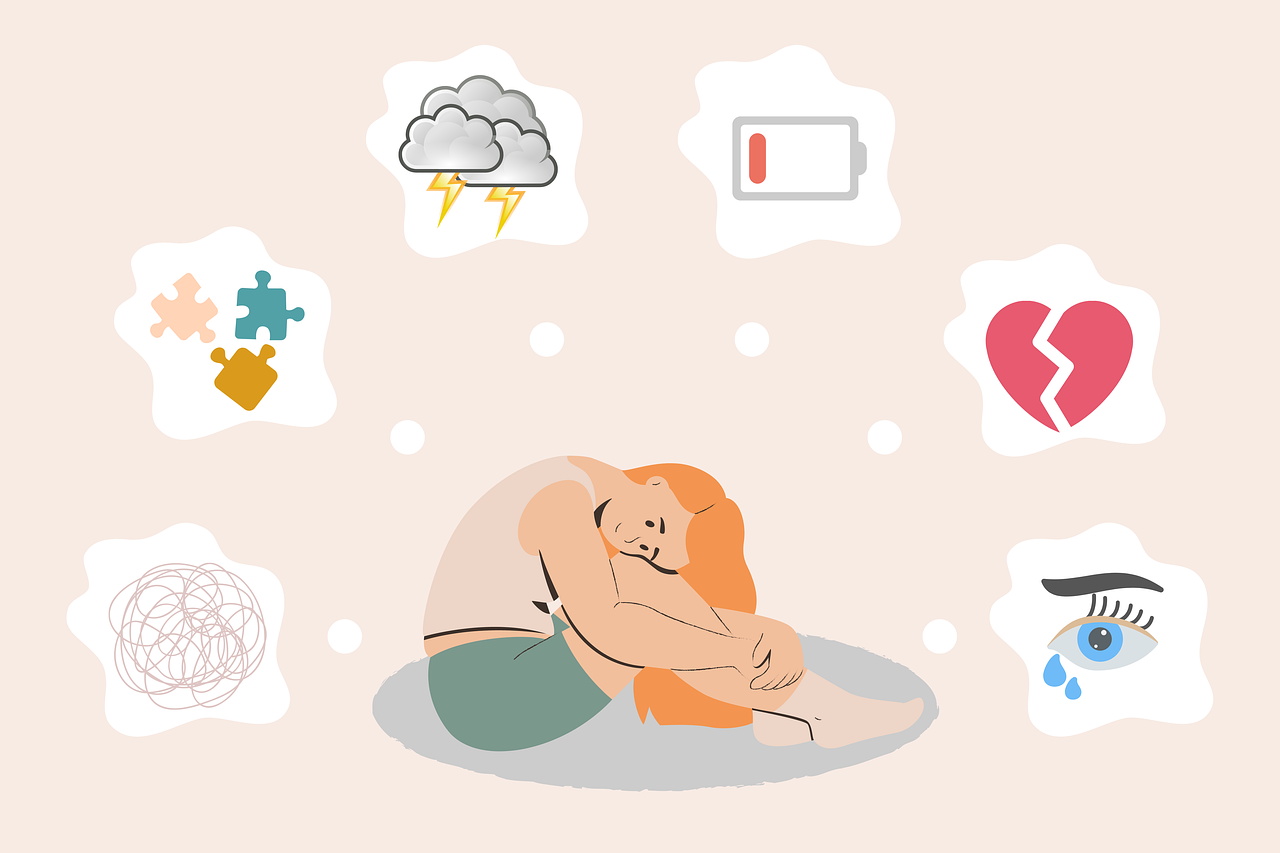
Dual diagnosis treatment incorporates both the addiction and any co-occurring mental health disorders like depression, anxiety, or PTSD into a holistic program. At Legacy Healing Center, they provide comprehensive care that targets the root causes of substance use while encouraging long-term recovery.
The Clinical Expertise Behind Legacy Healing Center
Legacy Healing Center stands out as an exceptional rehabilitation facility thanks to the leadership provided by Dr. Ash Bhatt, who holds five board certifications as a physician. Dr. Bhatt and his medical team use evidence-based practices and personalized treatment plans that are designed specifically to treat individuals.
Pros
Expertly guided by high-level medical professionals.
Evidence-based therapeutic approaches.
Comprehensive focus on mental health and addiction.
Cons
A high level of care may come at a high cost.
Availability may be limited due to demand.
Depression Treatment at Legacy Healing Center
Legacy Healing Center specializes in treating depression as part of its dual diagnosis treatment programs for those dealing with addiction, which is often co-occurring with mood disorders or stress issues. Depression doesn’t simply alter your mood but impacts how your brain processes thoughts, emotions, and stress. At Legacy Healing Center, their approach is structured, physician-led and avoids trial-and-error methods that more general programs tend to use.
Psychotherapy as a Foundation
Psychotherapy serves as the backbone of depression treatment, using evidence-based modalities like Cognitive Behavioral Therapy (CBT) to identify and shift the negative thought patterns that have come up due to depression. Being able to target these distortions directly, patients can reintegrate more easily and sustainably with their daily life.
Medication Support
For severe mental health conditions, Legacy Healing Center uses medications as part of its treatment plan. Medications, whether an SSRI, SNRI, or other antidepressant, are monitored closely to make sure their clients stay safe and still progress. Legacy Healing Center takes great care to use medications as supplements rather than standalone solutions for their therapy sessions.
Nervous System Stabilization
Depression and addiction both have devastating effects on the nervous system, leading to disturbed sleep patterns, energy fluctuations, and difficulty with decision-making processes. Legacy Healing Center’s approach is to gradually restore balance by stabilizing daily rhythms and creating an environment in which patients can process emotions without becoming overwhelmed.
Ongoing Clinical Review and Adjustment
What sets Legacy Healing Center apart is its commitment to ongoing review and modification of the treatment plans. Depression and addiction are dynamic illnesses. So their individualized care plans are regularly adjusted in response to the patient's progress in order to minimize relapse risk and promote lasting emotional health.
Luxury and Comfort at Legacy Healing Center
Legacy Healing Center stands out by creating an environment conducive to luxurious inpatient rehab facilities that feel more like a retreat than hospitals, while still promoting healing in a tranquil atmosphere. Legacy Healing Center offers amenities designed for the best possible comfort while facilitating healing, which is something not often associated with treatment centers.
Pros
Luxury accommodations enhance the therapeutic experience.
A serene environment creates emotional stability.
Ideal for those that are looking for privacy and exclusivity.
Cons
Luxury settings might not appeal to every demographic.
May feel inaccessible to those on a tight budget.
Does Legacy Healing Center Deliver on Results?
Legacy Healing Center excels in combining evidence-based medicine with patient-centric care. Their dual diagnosis model tackles the complex interaction between mental health and addiction, giving patients tools for leading healthier, more balanced lives. Though its premium services may cost more than those provided elsewhere, Legacy Healing Center is often seen as the go-to place when facing co-occurring disorders head-on.
Who Will Benefit Most from Dual Diagnosis Treatments?
Dual diagnosis treatments are intended for people battling mental health issues and substance use disorders simultaneously. Mentally ill people often face unique difficulties, as mental health conditions can exacerbate substance dependency issues and vice versa.
Patients suffering from anxiety, depression, bipolar disorder, or posttraumatic stress disorder who also possess an addiction to alcohol, prescription medication, or illicit substances are ideal candidates for dual diagnosis care.
Teenagers and young adults, who may be especially prone to experiencing mental health challenges combined with experimentation, could benefit greatly from such programs. Veterans and first responders, who frequently face high levels of stress and trauma, can especially benefit from an integrated approach like dual diagnosis treatments.
These approaches go beyond treating addiction alone, as they aim to uncover its roots as well as offer coping mechanisms tailored specifically for them. Dual diagnosis programs offer personalized, tailored care that can be life-altering for those who have struggled with traditional, addiction-only treatment programs and experienced relapse, as their focus on mental health leads to more sustainable recovery results. By providing therapy, medication, and holistic support in one comprehensive package, dual diagnosis programs offer hope to patients that are looking for balance and health in their lives.
What Dual Diagnosis Treatments Are Not
Dual diagnosis treatments do not provide an all-inclusive solution to mental health and substance use disorders. These programs don’t just focus on temporarily relieving symptoms. They emphasize long-term, meaningful recovery by addressing any underlying factors contributing to the conditions.
They cannot replace personal accountability or effort, as success in dual diagnosis treatment requires active participation, commitment, and an openness to new therapeutic approaches. Dual diagnosis programs do not merely use traditional medical approaches, they incorporate various therapeutic modalities like talk therapy, medication management, and holistic practices for a well-rounded approach.
Importantly, dual diagnosis treatment does not provide a quick fix. Recovery requires patience, perseverance, and support beyond just programs. Finally, dual diagnosis therapy involves more than treating addiction or mental illness alone. Dual diagnosis treatment emphasizes the relationship between two conditions and looks to address them simultaneously rather than as unrelated issues.

Conclusion
Legacy Healing Center blends clinical excellence, luxury, and holistic care into an exceptional dual diagnosis treatment program. No matter if it’s addiction, depression, or both, their approach meets these complex needs with compassion and expertise. Is Legacy Healing Center worth considering? Certainly, according to their track record and attention to detail, particularly for those that are looking for top-tier care. Although cost and accessibility may be issues in their decision process, overall Legacy Healing Center stands out as more than just another rehabilitation facility, it offers transformation.
Related:
