
A nightstand light should help someone understand what is happening without creating new risk. The first priorities are to stay aware, keep family members safe, and contact emergency services when a situation may be dangerous.
A dedicated flashlight is easier to reach and operate than a phone in many dark-room situations. The best bedside option has simple controls, useful low and high modes, protection against accidental activation, and a consistent storage location.
What Should Live on Your Nightstand
Keep the setup simple: a light, a charged phone, necessary medication, and any personal items needed during an emergency. Clutter makes equipment harder to find when someone wakes suddenly.
The flashlight should always be stored in the same place and checked regularly. Other household members should know where it is, but young children should not have unsupervised access to high-output lights.
What Tactical Flashlights Do Differently From a Phone
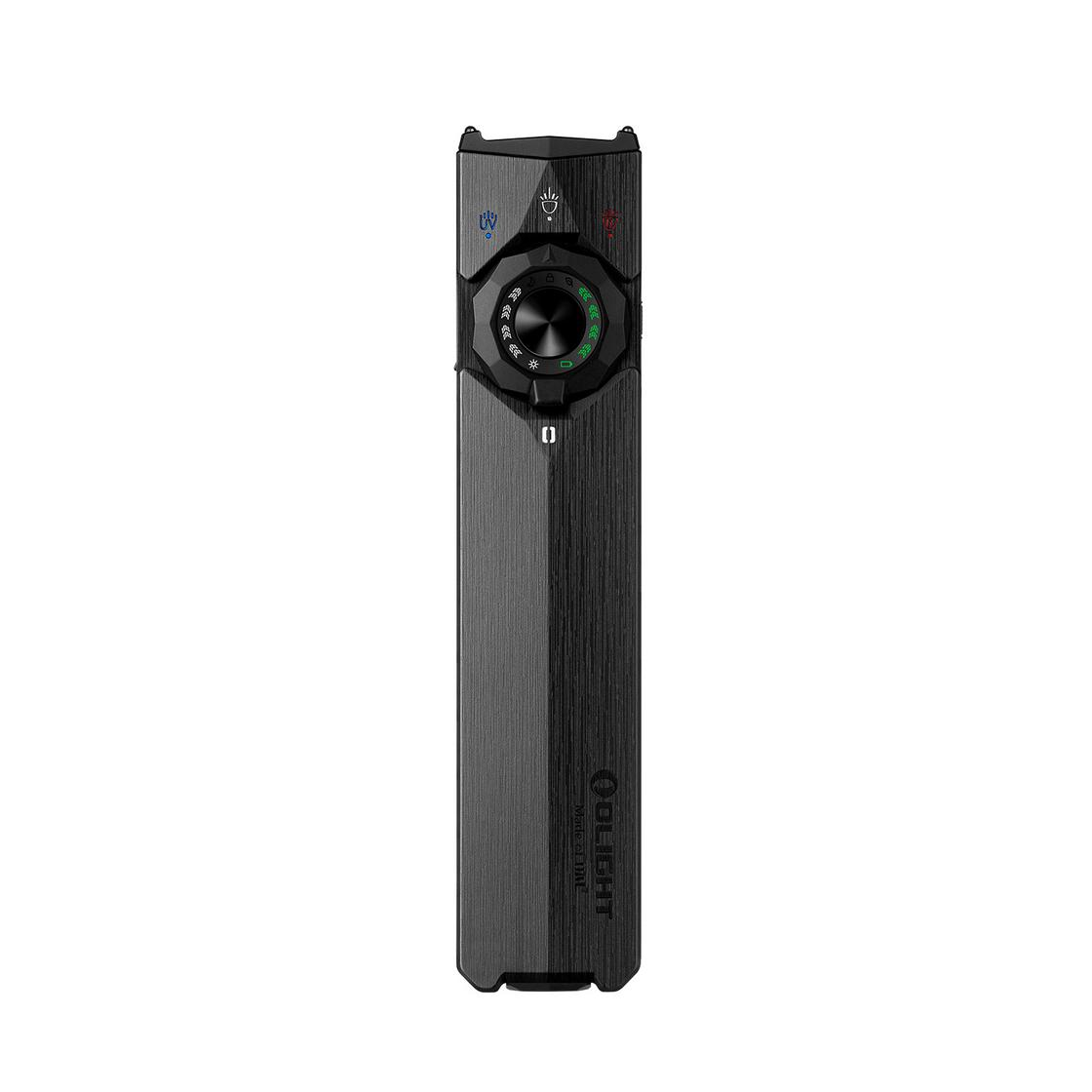
A phone light is useful for close-up tasks, but it occupies the device that may be needed for a call and often requires several screen actions. A powerful flashlight can provide dedicated controls, a stronger beam, and faster access when those features are appropriate.
Output alone is not enough. The beam should work in a hallway or room without producing so much reflected light that it becomes hard to see, and the controls should be familiar before an emergency.
Instant Strobe: Disorient First, Then Assess
Instant strobe is a specialized feature that can be accessed quickly on some tactical lights. It may create visual disruption, but it should not be treated as a guarantee that a person will stop or leave.
Use any high-output or strobe mode responsibly and avoid directing it at family members, neighbors, drivers, or anyone who is not presenting a threat. Creating distance, securing a safe location, and calling for help remain more important.
Momentary vs. Constant-On: Why It Matters in a Hallway
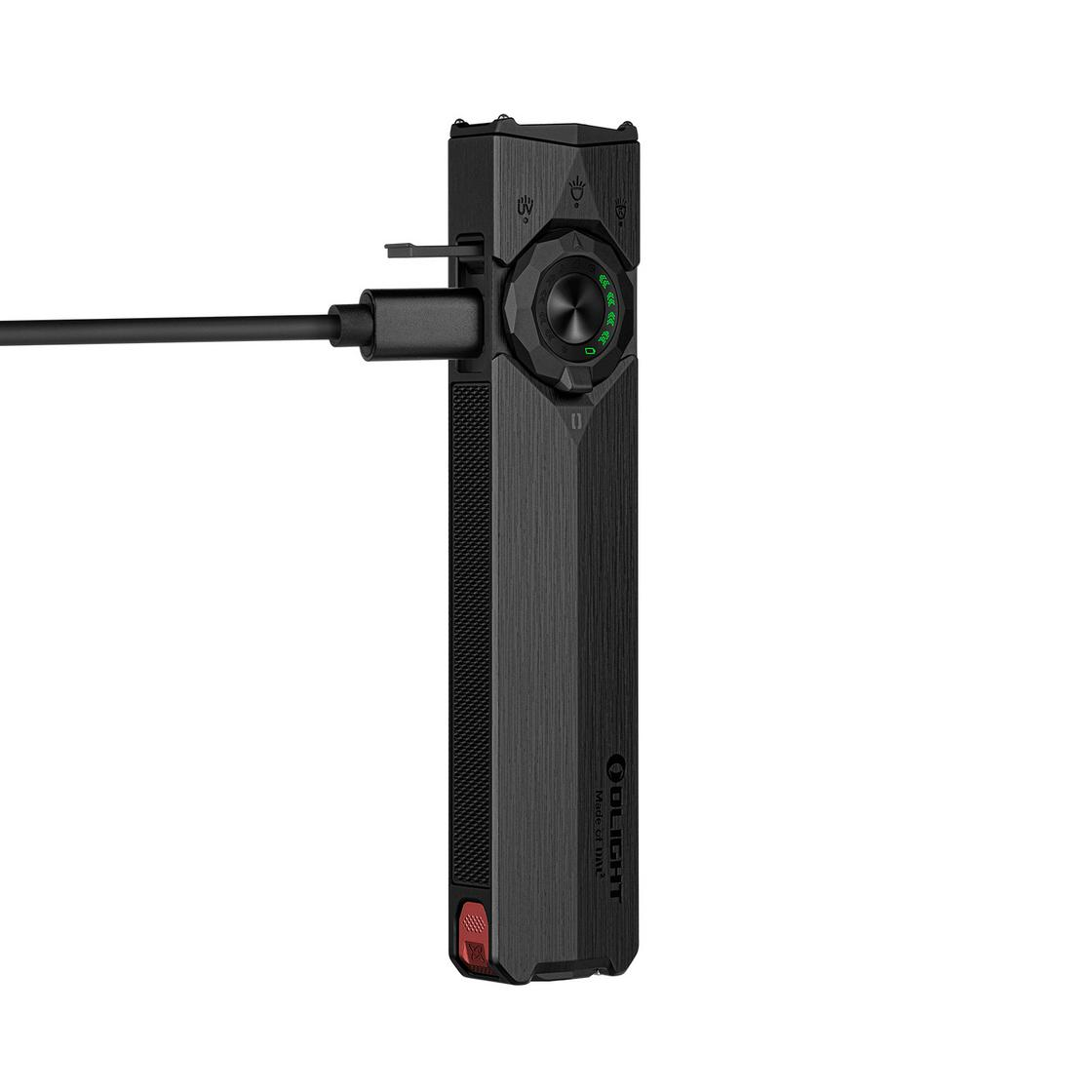
Momentary activation produces light only while the control is held, which can help with brief checks. Constant-on keeps the beam active when both hands or longer observation are needed.
Neither mode is automatically correct for every situation. Practice finding and using both controls in a safe setting so that the intended mode can be selected without confusion.
Preventing Accidental Activation in a Drawer
A light that switches on inside a drawer can drain its battery and produce unwanted heat. Store it so the controls are not pressed by other objects, and use any lockout or proximity feature according to the manual.
Check the nightstand periodically. Confirm that the light is charged, the lens is clean, and the phone can reach emergency services from the room.
The Olight ArkTac Ultra as a Bedside Light
The Olight ArkTac Ultra provides a flat-body option with CommandPoint set to Instant Strobe by default, a Dual-Stage Tail Switch for momentary access, and a ToF feature intended to reduce accidental activation when the light is obstructed.
Its low-battery escort mode is designed to preserve usable output as the battery level falls. The ArkTac offers a related option for users who do not need the Ultra configuration; current specifications should be checked before choosing between them.
A Home Safety Plan Beyond the Flashlight
A light is only one part of household safety. Lock exterior doors, maintain smoke and carbon-monoxide alarms, keep emergency numbers available, and agree on where family members should go during a serious incident.
If a noise may indicate an intruder or another immediate danger, avoid unnecessary confrontation. Move to a safer position when possible, call emergency services, and follow the instructions of local authorities.