
Points to Note While Picking an Outdoor Wedding Hall
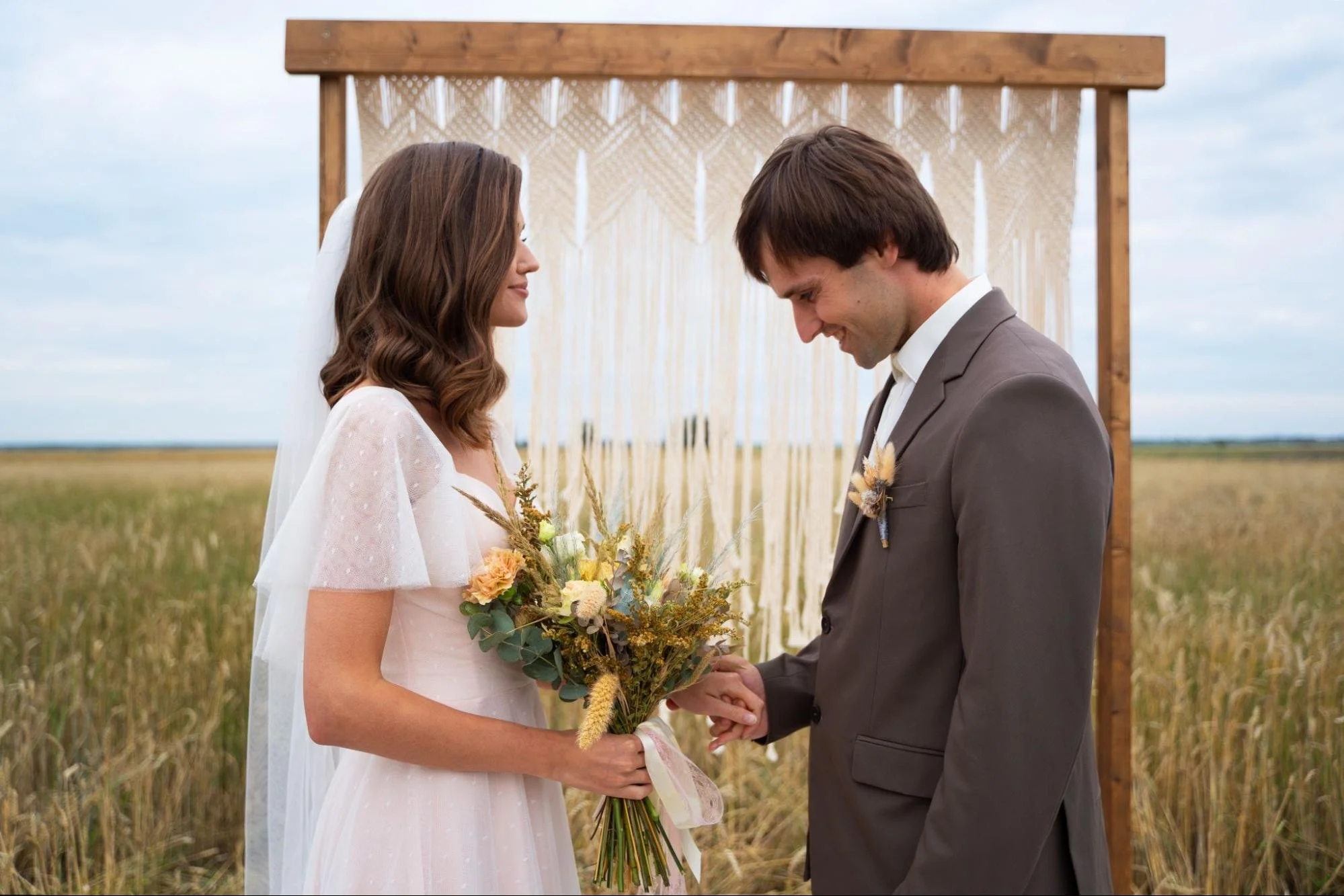
An outdoor wedding can look beautiful in photographs, but choosing the wrong venue can create unexpected problems. Sudden rain, uncomfortable temperatures, limited parking, uneven walkways, or inadequate sound equipment can quickly affect your ceremony and reception.
The best outdoor wedding hall should offer more than scenic surroundings. It needs suitable guest facilities, dependable weather alternatives, accessible spaces, clear vendor policies, and a layout that supports your celebration.
Whether you're considering a garden, country club, vineyard, or estate, knowing what to inspect before booking can help you avoid unnecessary expenses and last-minute complications.
1. Choose an Outdoor Wedding Venue That Matches Your Style
The venue establishes the atmosphere for your wedding. Its landscaping, architecture, surrounding views, and available event spaces influence everything from decorations to photography.
Before scheduling tours, decide whether you prefer a romantic garden ceremony, a formal country club celebration, or a relaxed countryside reception.
Evaluate the Natural Setting
Look for outdoor spaces that already complement your preferred wedding style. Established gardens, scenic lawns, mountain views, and landscaped courtyards can provide attractive backgrounds without extensive decorations.
The National Park Service's guidance on outdoor event permits also illustrates why couples considering public or protected outdoor locations should investigate permission requirements before making arrangements.
For couples interested in scenic country club settings, Ballyowen Country Club Weddings provides an example of an outdoor wedding location featuring Scottish-links-inspired surroundings and expansive landscape views.
Visit at the Right Time of Day
A venue can look very different in morning sunlight, afternoon heat, or evening lighting. Whenever possible, schedule your tour around the time you expect to hold the ceremony.
Observe where sunlight falls, whether shaded areas are available, and how the surrounding landscape affects the setting. These details can influence guest comfort and photography arrangements.
2. Confirm Weather Backup Arrangements
Weather is one of the most important considerations when planning an outdoor wedding. Even during traditionally pleasant seasons, unexpected rain, strong winds, or temperature changes can affect the celebration.
Ask About Indoor Alternatives
A dependable outdoor wedding venue should have a clearly defined weather contingency plan. Ask whether an indoor ceremony or reception space is available and whether it can accommodate your entire guest list. Confirm if the alternative space is included in the rental package or requires additional payment.
Understand Weather Decision Deadlines
Find out when the venue must decide whether to move an event indoors. Some locations require decisions several hours before the ceremony because furniture, decorations, and equipment need to be relocated.
Ask who makes the final decision and how vendors will be informed. A written weather plan reduces uncertainty and helps everyone prepare.
3. Evaluate Guest Capacity and Event Layout
Outdoor spaces may appear spacious during a tour, but the usable event area can become limited once furniture and equipment are installed. Guest capacity should account for more than the number of chairs that fit on a lawn.
Check the Ceremony Layout
Confirm whether the ceremony area can accommodate your expected guest count comfortably. Consider aisle width, seating arrangements, accessibility routes, and space for photographers or musicians. Ask whether the venue offers different layouts for small and large weddings.
Review Reception Space Requirements
If your reception will also take place outdoors, account for dining tables, buffet stations, bars, entertainment equipment, and a dance floor.
Guests should be able to move comfortably between these areas. A practical layout improves the overall experience and reduces congestion during important moments.
4. Consider Location and Transportation Convenience
A scenic venue may still create challenges if guests struggle to reach it. Transportation arrangements deserve particular attention when the property is located outside a major town or city.
Review Parking and Arrival Options
Ask whether the venue offers sufficient parking for your expected attendance. Confirm whether valet services, shuttle transportation, or designated drop-off areas are available. If guests will use rideshare services, check whether drivers can easily access the property.
Check Nearby Accommodation Options
For weddings involving out-of-town guests, look for hotels or other accommodations within a reasonable distance. Providing convenient lodging information can make travel planning easier. If the ceremony and reception are held in different locations, consider whether transportation should be arranged between them.
5. Prioritize Accessibility and Guest Comfort
An outdoor wedding should be enjoyable for guests of different ages and mobility levels. Beautiful surroundings are important, but comfort and accessibility can have a greater influence on the overall experience.
Inspect Walkways and Seating Areas
Outdoor venues may include gravel paths, grassy areas, slopes, or uneven surfaces. Check whether guests using wheelchairs, walkers, or other mobility aids can access the ceremony and reception areas. Ask about accessible restrooms, nearby parking, and suitable seating arrangements.
Plan for Temperature and Weather Comfort
Consider shade, ventilation, drinking water, and temperature-control options. For summer weddings, shaded seating and hydration stations may be important.
For cooler evenings, ask whether heaters or covered areas are permitted. Insect management and appropriate lighting can also improve guest comfort.
6. Review Outdoor Wedding Amenities and Facilities
An outdoor venue may require additional equipment that would normally be available inside a traditional event hall. Understanding what the venue provides can help prevent unexpected rental expenses.
Confirm Electrical and Sound Requirements
Outdoor ceremonies often require microphones, speakers, lighting, and electrical connections. Ask whether the venue provides these services or requires outside suppliers.
Check whether backup power is available for essential equipment. Outdoor acoustics can differ significantly from indoor spaces, making sound checks particularly important.
Inspect Restrooms and Catering Facilities
Restrooms should be conveniently located and suitable for the number of guests attending. If food will be prepared or served outdoors, confirm that catering teams have appropriate preparation areas, refrigeration, and service access. Ask how the venue handles waste collection and cleanup after the celebration.
7. Understand Vendor and Decoration Restrictions
Venue policies can influence how much freedom you have to personalize your wedding. Before booking, confirm which services and decorations are permitted.
Ask About Vendor Requirements
Some outdoor wedding halls work exclusively with approved caterers, decorators, or entertainment providers. Others allow outside vendors but may charge additional fees. Clarify these rules before making commitments with independent suppliers.
Check Decoration and Setup Policies
Ask whether the venue permits candles, hanging decorations, floral installations, confetti, and temporary structures.
Outdoor settings may have restrictions designed to protect landscaping or maintain safety. Also confirm when vendors can begin setup and when all equipment must be removed.
8. Consider Seasonal Decorations and Wedding Experiences
Outdoor venues offer opportunities to incorporate natural scenery into the celebration. However, decorations and activities should suit the season and local conditions.
Choose Weather-Appropriate Flowers
Some flowers are sensitive to heat, wind, or prolonged sun exposure. Discuss seasonal availability and durability with your florist. Locally available flowers and greenery may be practical options, depending on the destination and design requirements.
Add Personal Outdoor Activities
Lawn games, acoustic music, outdoor lounge areas, and photo stations can make a celebration more interactive. Choose activities that fit the available space without interfering with dining, ceremony arrangements, or guest movement. For evening events, ensure activity areas have adequate lighting.
9. Review Safety Requirements and Venue Policies
Outdoor celebrations may involve additional rules related to amplified music, temporary structures, fire safety, and alcohol service. Understanding these requirements before booking can prevent costly changes.
Confirm Permits and Noise Restrictions
Ask whether the venue already holds the permissions required for weddings and receptions. If you're planning live entertainment, fireworks, temporary tents, or special installations, confirm whether additional approvals are necessary. Check event closing times and sound restrictions.
Prepare for Weather-Related Safety Risks
Strong winds, heavy rain, and extreme temperatures can affect temporary structures and electrical equipment. Discuss safety procedures with the venue and relevant vendors.
The National Weather Service's outdoor safety guidance provides information about weather hazards that can help couples understand why monitoring forecasts and preparing contingency plans matter. Venue staff should have clear procedures for responding to unsafe conditions.
10. Compare Outdoor Wedding Hall Costs Before Booking
The advertised rental fee may not reflect the complete cost of hosting an outdoor wedding. Additional expenses can include tents, furniture, lighting, sound systems, transportation, staffing, and weather-related arrangements.
Use an Outdoor Wedding Venue Checklist
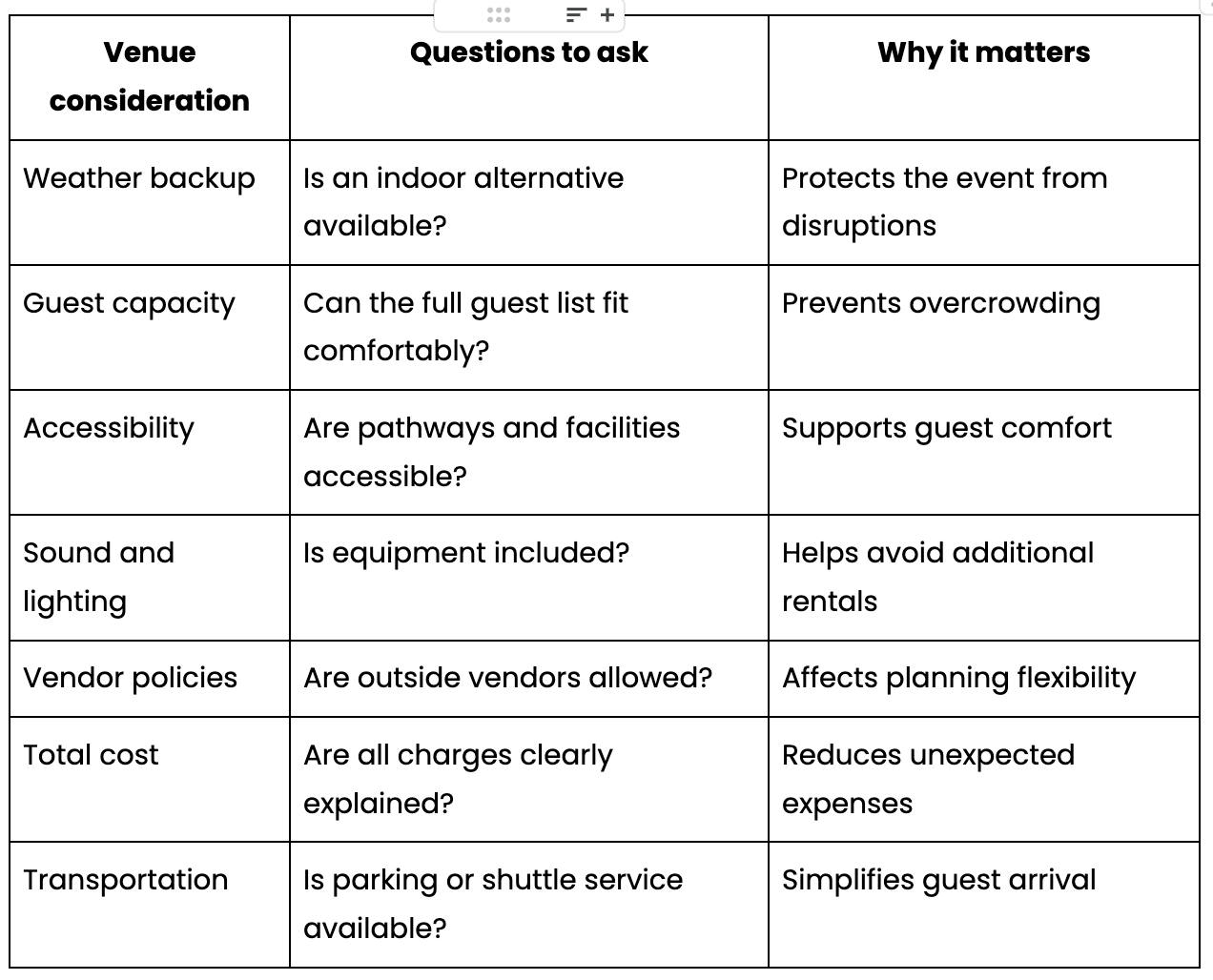
Use the same checklist during every venue tour to make comparisons more consistent.
Final Thoughts
Choosing the right outdoor wedding hall involves balancing scenery, practicality, guest comfort, and budget. Start by identifying your preferred wedding style and estimating your guest count. Then compare venues based on weather protection, accessibility, amenities, vendor policies, and total costs.
A beautiful outdoor setting can create a memorable celebration, but dependable planning is what makes the experience comfortable and enjoyable. Visit your shortlisted venues, ask detailed questions, and confirm important arrangements in writing before booking.
Frequently Asked Questions About Outdoor Wedding Halls
What should you look for when choosing an outdoor wedding venue?
Focus on guest capacity, location, accessibility, weather backup arrangements, available facilities, and total cost. Check whether the venue provides suitable restrooms, parking, lighting, and sound equipment. Review vendor restrictions and confirm that the outdoor setting matches your preferred wedding style.
How can you make an outdoor wedding comfortable for guests?
Provide appropriate shade, seating, drinking water, accessible pathways, and weather protection. Consider seasonal temperatures and arrange fans, heaters, or covered areas when necessary. Clear signage, convenient restrooms, and organized transportation can also improve the guest experience.
How far in advance should you book an outdoor wedding hall?
Booking 12 to 18 months in advance can be helpful for popular venues and peak-season weekends. However, availability varies by location, season, and event size. Begin searching once you have a realistic budget, estimated guest count, and preferred wedding dates.
