
Preventing Costly Damage With Routine Roof Maintenance
A strong roof shields a home from heavy downpours, high winds, and blistering summer heat. Minor structural weaknesses often go unnoticed until water drips through ceiling panels during an overnight storm.
Routine upkeep helps property owners catch tiny flaws before expensive structural damage occurs. Investing a little attention each season keeps overhead structures secure and preserves home value.
Understanding The Role Of Regular Inspection
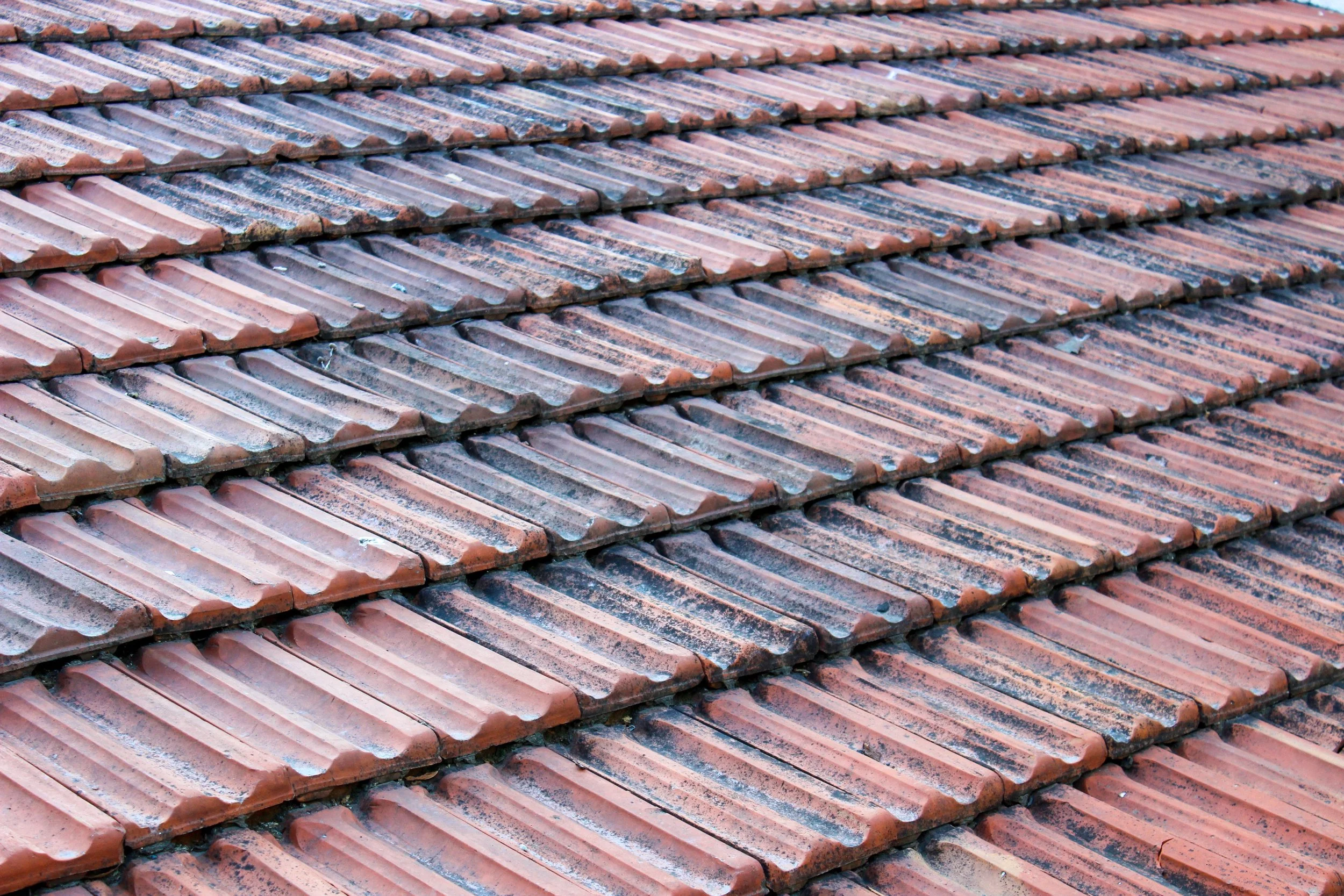
Homeowners often forget about their shingles until a visible leak appears in an upper-floor bedroom. Regular inspections spot loose flashing, missing shingles, and clogged drainage paths before severe damage spreads.
Simple checks twice a year keep small issues from growing into huge financial burdens. Scheduling inspections after major weather events provides additional peace of mind.
A report published by NYU notes that routine upkeep extends roof lifespan and prevents minor flaws from turning into expensive structural repairs.
Catching loose materials early preserves structural framing beneath the shingles. Consistent attention pays off by postponing full-scale teardowns. Long-term care keeps whole roofing systems operating smoothly.
Considering Major Repairs And Replacement Options
Severe weather events and aging materials eventually force building owners into total structural upgrades. Some property owners look for a wholesale roof replacement for Newport News homeowners, or others, when standard patching no longer stops recurring structural issues. Selecting reliable contracting services guarantees long-lasting protection against local storm conditions.
Timely upgrades protect home equity over decades. Evaluating repair costs against total replacement expenses helps owners manage long-term maintenance budgets.
Outdated roofing materials often lose protective granules, making simple patch jobs ineffective over long periods. Fresh installations provide peace of mind during heavy rain seasons. Planning prevents emergency expenses when severe weather arrives.
Managing Heavy Stormwater And Runoff
Roof surfaces collect massive volumes of water during standard thunderstorm events. Research shared by UGA Extension indicates a 3000 square foot roof generates 1869 gallons of runoff with every inch of rainfall.
Clearing debris prevents backed-up water from seeping under primary roof layers. Proper drainage design keeps large water volumes moving smoothly away from home interiors.
Unmanaged water flow erodes garden bedding and risks basement water intrusion. Clean gutters direct heavy downpours safely away from foundation walls and exterior siding. Maintaining clean drainage paths keeps excess water moving smoothly off structure surfaces. Simple gutter guards reduce debris buildup throughout peak autumn months.
Preventing Interior Dampness And Mold Growth
Water penetrating outer roof layers creates ideal breeding conditions for harmful organic growth. Public health guidance from the CDC states that mold develops in locations with trapped water, including roof leaks.
Removing wet materials quickly stops indoor air contamination and protects structural wood framing. Fast action prevents long-term health risks for household members.
Attic spaces need proper airflow to prevent condensation buildup beneath plywood sheathing. Humidity trapped in enclosed attics softens roof decks, creating weak spots that yield under heavy snow or falling limbs.
Good ventilation keeps attic spaces dry throughout changing weather seasons. Adequate insulation balances roof temperatures and stops ice dams from forming.
Spotting Early Signs Of Wear And Tear
Catching minor damage requires knowing what visual warning signs to look for during routine walkarounds.
Granules collecting inside downspouts indicate shingle surfaces are wearing thin. Damaged metal flashings around chimneys and vent pipes create open channels for rain intrusion. Checking seals regularly prevents hidden water paths.
Performing quick quarterly visual checks helps maintain property safety. Homeowners can focus on key structural items:
Curling or cracked asphalt shingles along outer roof edges
Missing metal flashing strips near chimneys and vent stacks
Sagging gutter channels filled with heavy leaves and dirt
Finding these issues early simplifies standard home repairs. Quick fixes protect underlying structures and prevent expensive full replacements down the line. Regular observations keep repair lists manageable and affordable.

Creating A Seasonal Upkeep Schedule
Developing a consistent upkeep timeline keeps maintenance tasks moving on schedule. Spring checks focus on fixing winter storm damage like broken shingles and loose chimney caps.
Fall walkarounds prepare structural surfaces for cold temperatures by clearing fallen leaves from drainage troughs. Seasonal routines keep homes ready for harsh climate shifts.
Documenting past repairs creates a helpful record for future roofing service providers. Tracking roof age helps owners plan for long-term structural investments.
Consistent care keeps homes protected through every season of the year. Written logs make insurance claims simpler if severe weather causes sudden harm.
Protecting a home requires steady attention to overhead structures. Simple checks, timely clearings, and prompt fixes prevent minor leaks from transforming into massive structural headaches. Staying proactive keeps living spaces safe, dry, and comfortable through all seasons.
