
Proactive Steps to Secure Your House From Extreme Weather
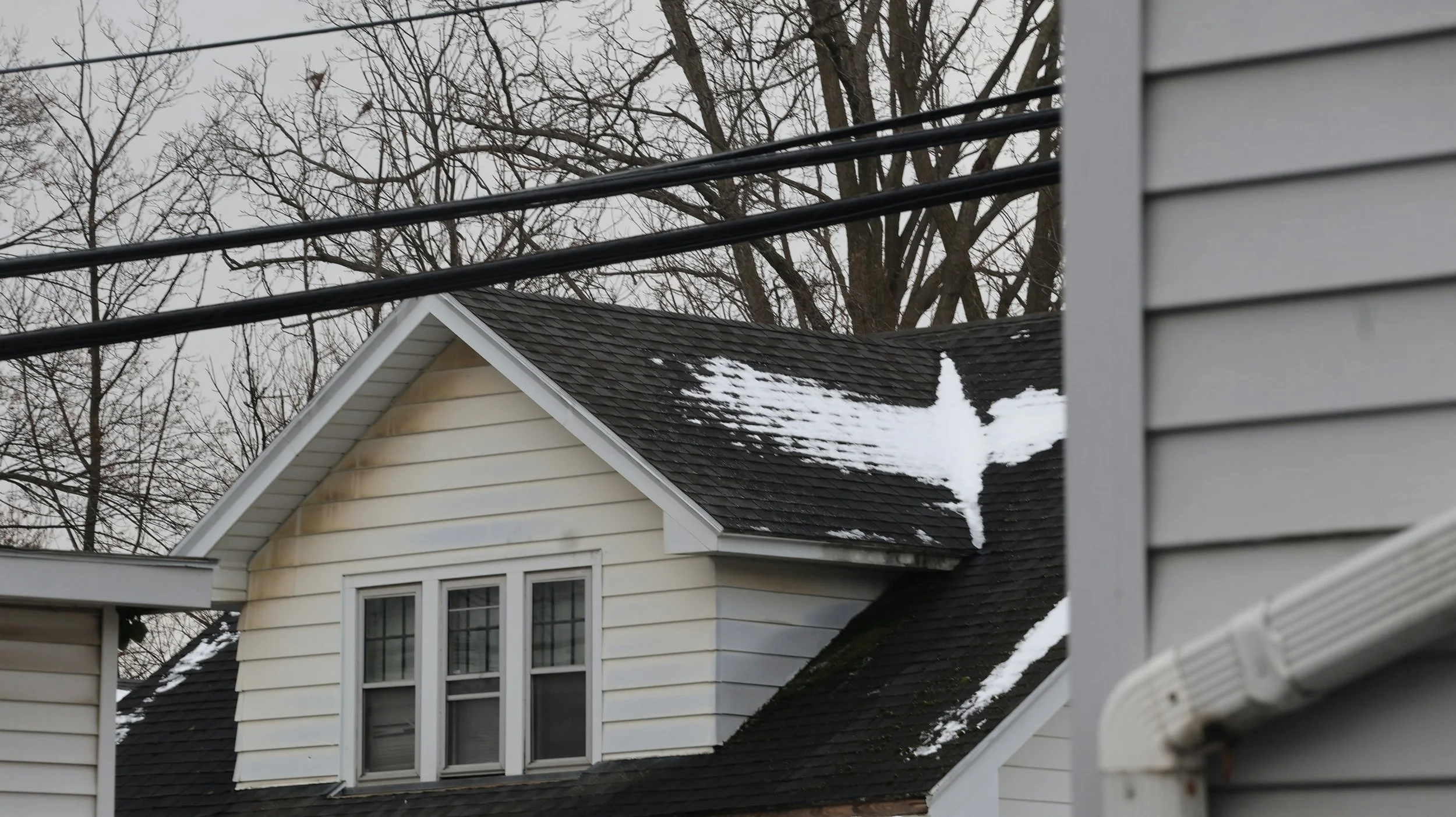
Homeowners face many unpredictable challenges throughout the seasons. Protecting your property means taking action before a major storm hits. A strong house keeps your family safe and prevents expensive emergency fixes later.
You can handle several maintenance tasks yourself to stay prepared. Taking charge of your property security builds peace of mind. Let's look at practical steps to shield your living space from severe environmental elements.
Evaluate Your Home Defense Mindset
Maintaining a household requires constant vigilance and strategic planning. Dads often take the lead on safety measures to protect family members. Regular weekend walk-throughs help identify weak spots in your structure before high winds strike.
You can spot loose siding or cracked seals early during these inspections. Small efforts today prevent massive headaches when the weather turns rough. Dedicating 1 hour each month keeps your property in top condition.
Inspect and Reinforce the Roof
Ohio homeowners frequently experience intense seasonal storms that test the limits of their houses. Local properties in the Midwest face regular hail and high winds, making it critical to find reliable storm damage roof repair in Dayton to address structural weak points quickly. Neglecting minor leaks leads to serious structural failure within a few months. Inspect your shingles from the ground using binoculars to check for curling edges.
Look closely at the flashing around chimneys and vents. Cracked sealant allows water to seep into your attic during downpours. Fix these small issues immediately to keep your overhead shelter completely sound.
Strong winds easily lift loose materials and create severe water entry points. Checking your roof valleys helps maintain a dry interior environment. Complete these inspections before the storm season peak arrives.
Clear the Perimeter and Trim Trees
Large trees provide excellent shade but pose severe risks during a tempest. Overhanging limbs can snap and crash through your ceiling during high wind events. An online guide by a major manufacturing company notes that all branches must remain at least 6 feet away from your roofing structure. Keeping this distance protects your shingles from scratching and impact damage.
Check gutters and downspouts for blockages like leaves and twigs. Clear pathways allow heavy rain to flow safely away from your foundation. Sagging gutters require extra brackets to withstand the weight of rushing water.
Clogged drainage leads to pooling water along your roofline. This moisture rots wooden fascia boards and weakens your exterior defenses. Spending a Saturday clearing debris saves $5000 in restoration costs.
Secure Outdoor Gear and Belongings
According to official safety guidelines from federal health agencies, specific steps keep your outdoor items secure during severe weather:
Move bicycles and lawn furniture into your garage or basement.
Store outdoor grills and propane tanks inside a protected shelter.
Gather loose building materials and tools to prevent them from flying away.
Securing these items reduces the risk of impact damage to your siding. Your family stays safer when flying debris is eliminated from the yard. Walk around your patio to confirm everything is tied down properly.
Heavy flower pots and decorative items require safe storage indoors. Unsecured objects can easily smash through patio doors during high winds.
Protect Windows and Prevent Water Ingress
Installing heavy-duty shutters protects vulnerable windows from high wind pressure. Cracked glass allows rain to pour into your living spaces, creating long-term issues. An expert home building article notes that water damage leads to mold growth, mildew, and structural rot. Checking your window seals annually prevents these expensive problems.
Apply high-quality exterior caulk around all window frames. Inspect the seals on your doors to achieve a tight fit against driving rain. Simple sealing tasks keep your home interior dry during severe downpours.
Consider upgrading to impact-resistant glass if you live in a storm-prone area. This modification provides continuous defense without needing manual shutters. Protecting these openings preserves the structural integrity of your entire house.
Create an Emergency Plan for Your Family
Physical preparation is only half the battle when facing severe weather. Your family needs a clear strategy, so everyone knows exactly what to do. Establish a safe meeting spot in an interior room away from windows. Practice your emergency drill 2 times a year with your children.
Store emergency supplies in an easy-to-reach location. Keep flashlights, extra batteries, and a first-aid kit fully stocked. Having these items ready reduces panic during a sudden power outage.
Teach older children how to shut off main utility lines safely. Designate an out-of-town contact person to help coordinate communication if local cell towers fail. A prepared family remains calm and resilient through any environmental challenge.
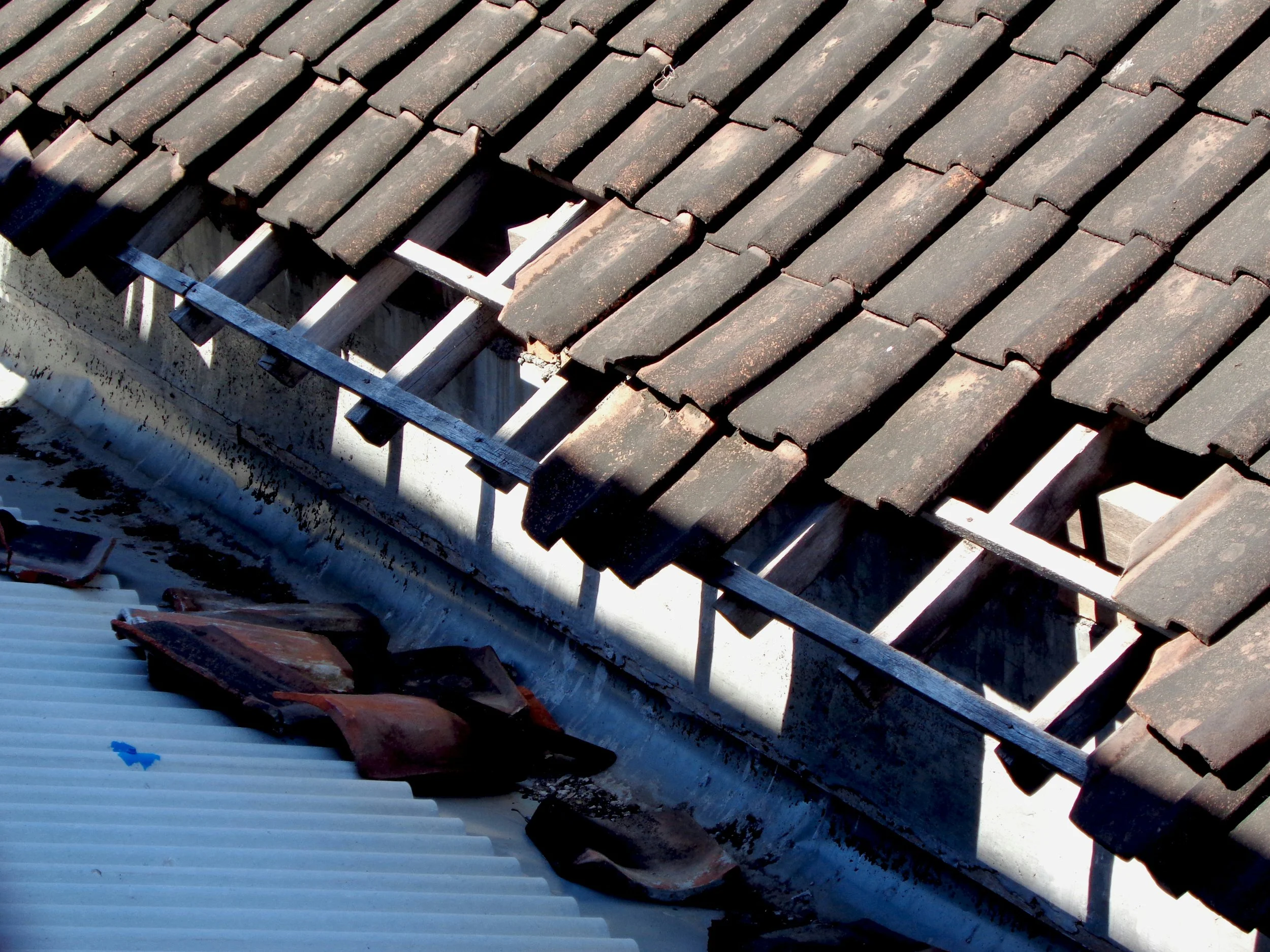
Taking proactive steps to shield your home requires consistent effort. Protecting your family and your property is a rewarding investment in long-term safety. Plan your maintenance tasks ahead of time to avoid last-minute stress. A secure house provides a safe haven for the people who matter most.
