
Safety Protocols for Laboratory Cold Storage Equipment
Written by Austin Tiu.
Cold storage protects samples, reagents, and temperature-sensitive materials that drive research and testing. A single temperature excursion can ruin weeks of work, delay patient care workflows, or trigger compliance problems during an audit. Strong safety protocols reduce those risks through consistent monitoring, clear labeling, and disciplined handling routines that staff can follow during busy shifts.
Reliable cold storage starts with planning. You need the right unit for the material type, a monitoring method you trust, and a response plan that tells everyone what to do when alarms sound. When teams treat cold storage as a controlled process rather than a simple appliance, the lab gains better stability and fewer losses.
Maintain Equipment and Prepare for Failures
Create a maintenance schedule that covers cleaning, coil checks, gasket inspection, and door seal testing. A damaged gasket forces the compressor to work harder and can cause temperature instability during peak use. Staff should keep vents unobstructed and avoid packing items against internal fans so cold air circulates evenly.
Calibrate probes on a defined schedule and document each calibration. Calibrate probes so the laboratory fridge stays within its target range during every shift. Consistent calibration records support audits and give you confidence that logged data reflects reality.
Plan for power loss and equipment failure before it happens. Identify backup storage locations, maintain validated coolers or transport containers when needed, and define who approves sample transfers. If your lab handles high-value inventory, consider a continuous monitoring system that sends alerts to multiple staff members through email or SMS so a single missed call does not become a loss event.
Set Clear Temperature Targets and Monitoring Rules
Define target temperature ranges for each material category, then post those ranges near the unit door. Vaccines and related medical products commonly require refrigerated storage within 2°C to 8°C, and labs often use that same range for other temperature-sensitive items when applicable. A written target range helps every staff member make consistent decisions during stocking, retrieval, and inspection.
Build monitoring into daily workflow. Use a calibrated digital data logger or thermometer that provides current temperature plus minimum and maximum readings since the last reset. The CDC recommends recording temperatures at least twice per day when a device does not display min and max values, such as at the start and end of the workday. That cadence creates a simple baseline that catches drift early.
Set alarm thresholds with intention. Choose limits that trigger action before samples enter a danger zone, then document who responds, how fast they respond, and which steps they take. Keep a printed emergency contact list near the unit so the response does not depend on one person’s memory.
Prevent Contamination and Mix-Ups With Storage Discipline
Assign shelves or bins for each category of material and keep incompatible items separated. Lab staff should label everything with the content name, owner, date, and any hazard classification. Clear labeling reduces door-open time since staff can locate items quickly.
Use dedicated units for special materials. Do not store food or drink in laboratory cold storage, since that practice increases contamination risk and creates confusion about what belongs in the unit. Keep secondary containment trays under liquids to capture leaks and simplify cleanup.
Chemical safety deserves strict attention. Standard refrigerators can ignite flammable vapours when internal electrical components switch on, so labs should use purpose-built flammable storage or explosion-proof units for volatile chemicals. This single choice can prevent a serious incident that damages facilities and injures staff.
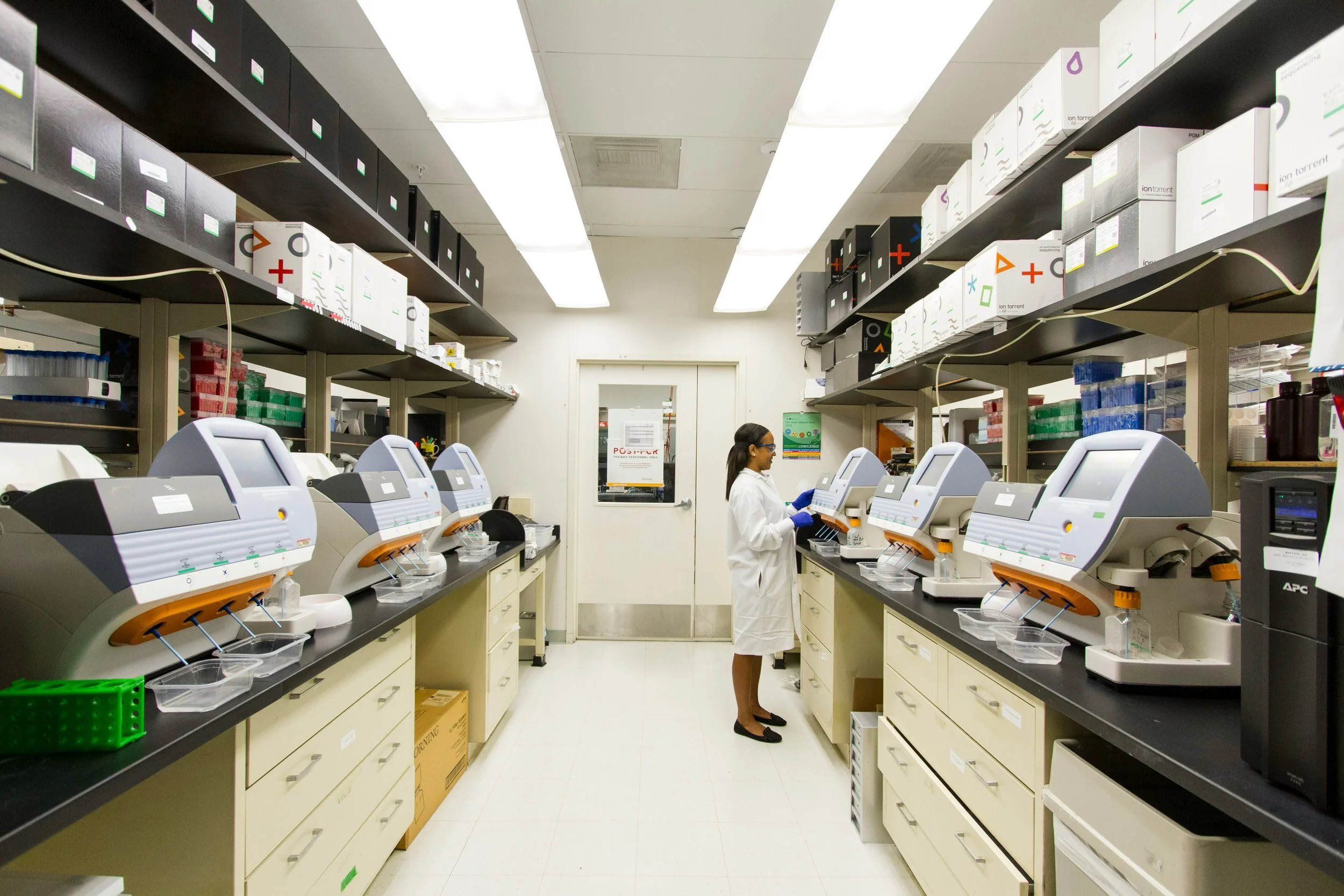
A strong cold storage program protects science, safety, and compliance at the same time. Clear temperature targets, disciplined organisation, correct equipment selection for hazards, documented maintenance, and trained response routines reduce the chance of losses and incidents. When the whole team follows the same playbook, cold storage becomes a dependable part of daily lab operations rather than a constant source of risk.
Related:
