
Signs Your Home May Need Storm Damage Repairs
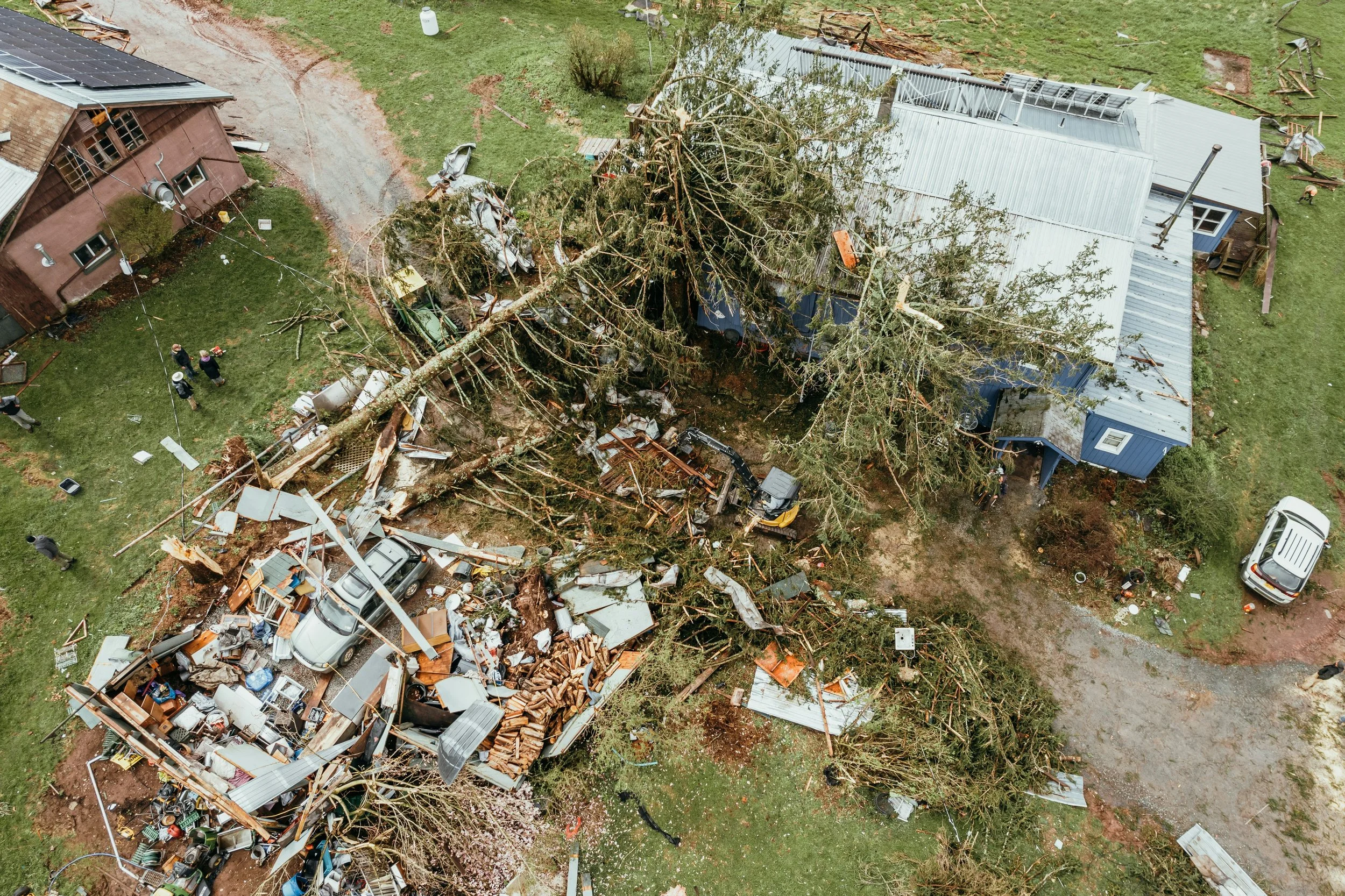
A severe storm can damage your property in minutes. High winds and heavy hail often leave behind hidden structural problems. These issues can slowly ruin your home if you leave them alone.
You should inspect your property closely after the skies clear. Spotting the trouble signs early keeps your recovery costs low. Taking fast action protects your family and your investment over the coming years.
Shingle Discoloration and Dark Spots
Heavy rains wash away the protective granules on your roof. These small granules shield the asphalt layer from harsh sunlight. Without this shield, your roof weakens quickly under the hot sun. The asphalt can dry out and crack.
Storms leave behind subtle clues on your shingles. Investing in a professional hail damage roof repair prevents further water intrusion into your attic space. You should check your shingles after every major storm.
Dark spots indicate where granules have gathered in your gutters. You might see dark patches on your roof slopes. These spots mean your home is vulnerable to leaks. You should address this issue before the next rain.
Dents in Your Gutters and Downspouts
Gutters take a heavy beating during a storm. Metal downspouts easily show tiny dimples from falling ice. These dents restrict the flow of rainwater. Water can overflow and damage your siding.
A weather report from Kansas noted that heavy winds and hail left behind shredded leaves, car dents, damaged shingles, and broken windows. These clear clues indicate your home needs a closer look. Metal trim and gutters often share this type of impact damage. You must examine these areas.
Dented gutters can sag or pull away from your roofline. This issue causes water to pool near your foundation. You must fix these problems to protect your crawlspace. A stable gutter system keeps water moving away.
Loose or Missing Metal Panels
Wind can rip metal panels right off their fasteners. This structural damage leaves the underlying wood exposed to heavy rains. Water quickly seeps into your rafters. You might experience active leaks during the next storm.
A Minnesota weather summary detailed a storm that tore off sections of metal roofs from farm outbuildings. Residential properties face similar risks when high winds strike. Loose metal sections can lift up during the next big storm. You must secure these panels.
You should look for warped edges along your metal roofline. Missing screws can let the wind peel the sheets back like paper. Fixing these panels early prevents major wood rot. It keeps your roof secure.
Water Stains on Your Ceilings
A leaking roof shows itself inside your living room. Yellow or brown circles on your drywall signal a serious leak. These stains grow larger with every rain shower. You might notice them in the corners of your rooms.
You might find damp spots inside your closets or attic space. Check these areas with a flashlight after a heavy downpour. Catching moisture early prevents toxic mold growth. Mold can ruin your indoor air quality.
Peeling paint near your ceiling is another sign of water damage. Moisture weakens the drywall adhesive over the days. Call a contractor before the ceiling starts to sag. Waiting too long can lead to a collapse.
Cracked or Damaged Siding
Siding protects your outer walls from harsh moisture. Hail can crack vinyl panels or dent aluminum siding. Wind can pull entire boards away from your house. This leaves your wall sheathing exposed to the elements.
Look for these common siding issues after a storm:
Deep dents in metal siding
Cracks in vinyl panels
Chipped paint on wood siding
These signs mean water can get behind your walls. You must replace damaged siding.
Moisture behind your siding leads to wood rot. This rot weakens the framing of your entire home. Replacing damaged siding panels protects your structural stability. This repair keeps pests from entering your walls.
Loose Debris Around the Yard
Your yard holds clues about your roof's condition. You might find pieces of shingles lying on your grass. Tree branches on the ground suggest high wind speeds. These winds can damage your roof shingles.
Wind easily strips aging shingles from your roof deck. Seeing black asphalt granules in your flowerbeds is a bad sign. These granules mean your shingles are losing their strength. They can no longer shield your home.
Check your deck and patio for fallen debris. Heavy debris can crack your outdoor furniture or grill. Clear the yard to spot any roof pieces that fell during the storm. This cleanup helps you find damage.
Foggy or Broken Window Glass
Windows take a lot of pressure during a storm. Flying debris can easily crack the glass panes. High winds can warp the window frames. This warping makes it hard to open your windows.
Double-pane windows can lose their airtight seals when hit by hail. You will notice fog or moisture between the glass layers. This fog means the window can no longer insulate your home. Your energy bills will rise.
Broken windows let rain pour directly into your home. This water ruins your drywall, flooring, and furniture. Replacing damaged windows keeps your home secure and dry. It keeps the elements outside where they belong.
Storm damage is not always easy to see from the ground. Professional inspections help find the hidden issues before they grow. A trained eye can spot tiny cracks you might miss.
Protect your investment by addressing storm issues quickly. A dry, safe home gives you peace of mind during the next storm. Contact a professional to inspect your property today.
