
Simple Ways to Protect Your Personal Information Online in 2026
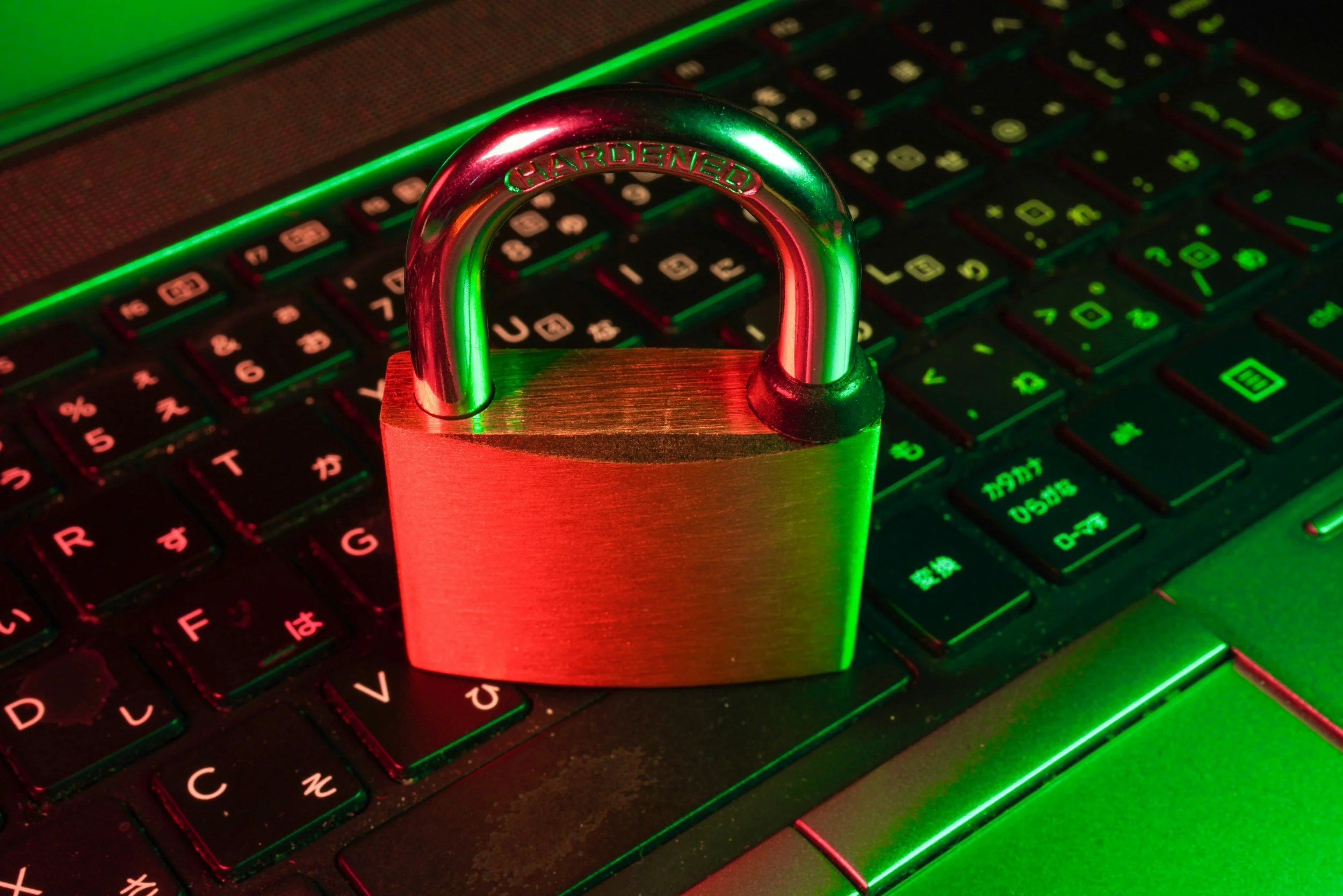
As cyber threats become more advanced and data breaches continue to rise across the United States, protecting your personal information online has never been more important. In 2025 alone, a record 3,332 data compromises were reported, showing just how widespread these risks are. Below is a clear, practical outline to help readers take simple steps to stay safe online in 2026.
Use Strong Passwords and Enable Multi-Factor Authentication
The foundation of digital safety relies on securing your access points. Creating unique, hard-to-guess passphrases for every single account ensures that a breach at one company doesn't grant hackers access to your entire digital identity. Because managing dozens of complex passwords is nearly impossible, password managers are an excellent solution - they generate and safely store strong credentials for you.
Furthermore, you should enable Multi-Factor Authentication (MFA) on all critical accounts. MFA adds an invaluable layer of protection by requiring a second form of verification, such as a biometric scan or an authenticator code, making unauthorized access exceedingly difficult even if someone steals your password.
Be Vigilant Against Phishing and Online Scams
Phishing emails, fake text messages (smishing), and impersonation scams remain the primary tools threat actors use to steal credentials. These attacks often work by creating a false sense of urgency, mimicking known businesses, or using unfamiliar senders to trick you into clicking malicious attachments or entering data on spoofed websites.
Consumer fraud losses remain a multi-billion-dollar problem in the U.S. Staying aware by carefully verifying unexpected requests through official apps or websites and never clicking on suspicious links are essential habits when browsing or communicating online.
Secure Your Internet Connection and Devices
Your hardware requires robust default defenses to block emerging threats. This means keeping your device's operating system and applications regularly updated to patch zero-day vulnerabilities, alongside maintaining trusted antivirus protection.
When you are away from home, avoid using unsecured public Wi-Fi networks at airport terminals or coffee shops, as bad actors can easily intercept your activity. Downloading a Windows VPN can encrypt your internet connection, ensuring that your sensitive personal data remains completely unreadable while it's routed across shared or public networks.
Monitor Your Accounts and Respond Quickly to Breaches
Vigilance doesn't stop once your safety tools are in place. Regularly reviewing your bank statements, analyzing credit reports, and checking major online profiles helps you catch anomalous activity before it causes significant damage.
With millions of Americans affected by data compromises each year, acting swiftly after receiving a breach notification - by reporting identity theft through official federal channels, or updating exposed credentials - minimizes the risk of identity fraud.
