
Sizing High-Demand Recirculation Loops and Multi-Tank Manifold Systems in Large Residential Properties
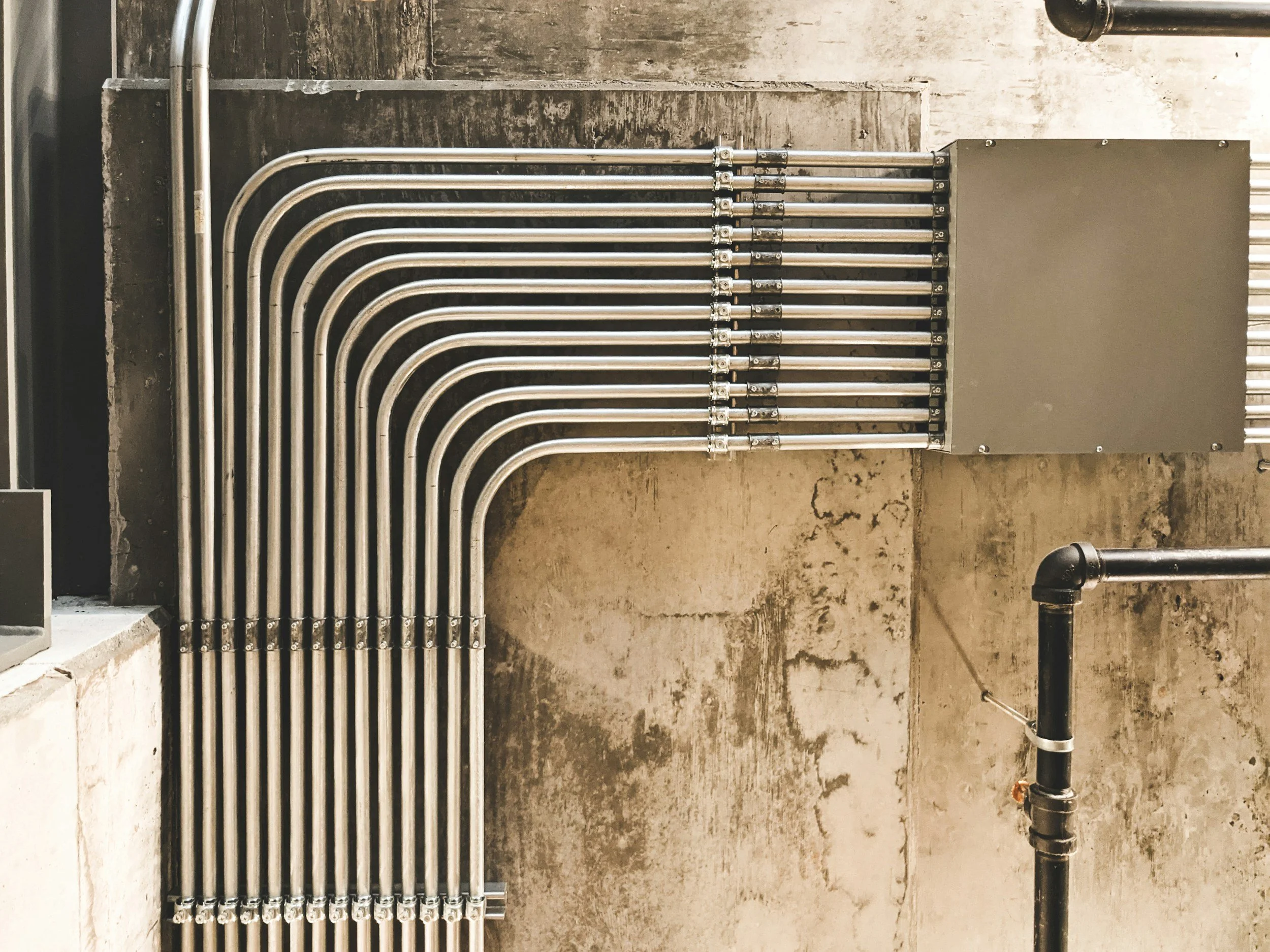
Managing heavy hot water demands across expansive estate homes and multi-family residential developments in Middle Tennessee requires sophisticated hydraulic engineering and precise BTU calculations. Large architectural builds across Nashville, Franklin, and Brentwood frequently feature multiple luxury bathrooms, high-flow rainfall showerheads, and commercial-grade laundry equipment operating simultaneously. Relying on a single undersized storage tank invariably leads to sudden thermal exhaustion during peak morning hours, leaving upper-level suites without hot water. Furthermore, long plumbing runs between a central mechanical room and distant fixtures create extensive wait times, wasting thousands of gallons of municipal water down the drain while waiting for hot water to arrive. Overcoming these mechanical limitations requires designing multi-tank parallel manifold configurations and integrating continuous hot water recirculation loops.
Executing a high-capacity water heater installation in complex residential layouts demands detailed flow rate modeling, proper gas line sizing, and accurate pipe friction loss analysis. Skilled mechanical contractors at The Hot Water Heater Pros evaluate total fixture unit counts, calculate peak-hour demand gallons, and install dedicated return loops to ensure instant hot water delivery across large estates.
By balancing water flow through parallel piping manifolds and installing smart recirculating pumps equipped with aquastat sensors, large homes maintain consistent water temperatures without subjecting individual storage tanks to excessive thermal fatigue or rapid internal scale buildup.
Parallel Manifold Hydraulics and Thermal Staging in Multi-Tank Systems
When a residential property exceeds the output capacity of a single commercial-grade storage tank or tankless unit, installing multiple heating units in a parallel manifold configuration provides the necessary volume and redundancy. In a reverse-return parallel piping system, cold water enters all tanks equally, and heated water exits at identical pressure gradients, preventing any single unit from taking on an uneven workload. Unequal flow distribution causes one tank to overheat and corrode rapidly while neighboring units remain underutilized, leading to premature system failure and unbalanced water temperatures.
Thermal staging controllers further optimize multi-tank tankless arrays by dynamically staging individual heating units based on real-time GPM demand. During low-demand periods, such as late evening, the staging system routes water through a single primary unit, keeping secondary heaters in standby mode to conserve fuel. As shower valves open and demand spikes, the controller instantly ignites secondary and tertiary units in sequence to maintain target output temperatures without voltage drops or gas pressure fluctuations.
Additionally, proper gas supply manifolding is critical for high-BTU multi-tank arrays. Tankless banks generating upwards of five hundred thousand BTUs require dedicated two-inch gas supply headers and high-pressure regulators to prevent burner starvation when all units operate at maximum firing rates.
Recirculation Loop Engineering, Aquastat Controls, and Pipe Insulation Standards
Delivering instant hot water to distant master suites located hundreds of feet from the primary mechanical room requires an active hot water recirculation system. A dedicated return line connects the furthest plumbing fixture back to the cold water inlet of the water heater, creating a continuous loop driven by a low-wattage circulation pump. Without intelligent controls, however, continuously circulating hot water through uninsulated copper pipes radiates massive amounts of standby heat into floor joists, dramatically increasing monthly gas or electric utility bills.
Modern recirculation systems incorporate aquastat temperature sensors, programmable digital timers, and smart learning algorithms that activate the circulation pump only during peak household usage hours. When pipe temperatures reach the desired threshold, the aquastat automatically shuts off the pump, locking heat within the line. Installing closed-cell elastomeric pipe insulation along the entire supply and return loop minimizes thermal radiation, protecting surrounding wall cavities from ambient moisture accumulation.
Furthermore, municipal plumbing codes across Davidson and Williamson counties require check valves and expansion tanks on all recirculating loops to prevent cross-contamination between hot and cold water supply lines. Working alongside experienced plumbing professionals guarantees that high-volume hot water systems operate with maximum energy efficiency, exceptional pressure stability, and long-term mechanical reliability.
