The Psychology of Status—and Why It Matters More Than You Think
“To our brains, status is a resource as real as oxygen or water. When we lose it, we break.”
—Will Storr, The Status Game
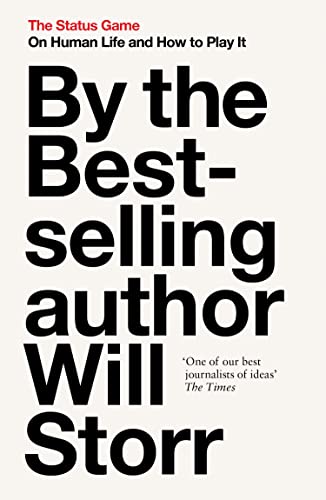
As someone who thinks a lot about behavior, motivation, and what really drives us, The Status Game: On Human Life and How to Play It hit me in that perfect intersection of psychology, evolution, and everyday life. It explains so much—why people act the way they do, why social media feels so addictive, and why certain situations feel threatening even when we’re technically “safe.”
What I appreciated most is how Storr brings clarity to something we all feel but rarely name: status. And not just in flashy or obvious ways—this book peels back the layers to show how status shapes our health, identity, relationships, and even our sense of meaning. It’s full of great stories and fascinating studies and it will give you a new perspective on society, the way our brains are hardwired, and why we do what we do without even realizing it.
Here are three takeaways that stuck with me and shifted how I think about success, social interaction, and human nature:
3 Takeaways from The Status Game
1. Status isn’t a luxury, it’s a biological necessity.
We often think of status as something superficial—reserved for CEOs, influencers, or high school popularity contests—but The Status Game makes a compelling case that our need for status is wired deep into our biology. From an evolutionary standpoint, status helped determine access to resources, mates, and safety. Today, that drive is still very much alive—just hidden behind job titles, follower counts, and the subtle dynamics of everyday interactions.
What’s fascinating (and a bit sobering) is that the body treats a perceived drop in status as a threat. Studies show that losing status—falling behind others socially or professionally—activates inflammation, impairs antiviral defenses, and increases the risk of anxiety, depression, and even chronic disease. Epidemiologist Michael Marmot’s research on British civil servants showed that lower-status workers, despite having stable jobs, faced significantly higher mortality rates than their higher-ranking peers.
To the brain, status is as real and vital as food, water, or oxygen. When we feel unseen, disrespected, or socially “lower,” our physiology pays the price.
2. We’re all playing status games—we just don’t realize it.
Whether it’s through likes on Instagram, job promotions, or how many unread emails we can humblebrag about, we’re constantly navigating invisible hierarchies. Storr argues that nearly everything we do is part of a game—one rooted in either dominance, virtue, or success. These games give us meaning, belonging, and identity. They also determine how we behave, who we admire, and even how we see ourselves.
The trouble is, most of us don’t realize we’re playing. We chase symbols—titles, followers, luxury goods—not because we’re shallow, but because our brains are wired to assign value to them. The subconscious "status detection system" in our brain constantly scans for cues: who’s deferring to whom, who’s being praised, who’s wearing what. And once we attach status to something—even something trivial—we feel it in our bodies when we gain or lose it.
You can’t opt out of status games—but you can choose which ones are worth playing.
3. Not all status games are created equal.
Storr breaks status into three core games: dominance, virtue, and success. Dominance games rely on fear and control, virtue games reward moral righteousness and group loyalty, and success games focus on skill, achievement, or creativity. We all play a mix of these, often without realizing which mode we’re in—or which one is running the people around us.
This matters because the type of game we play shapes our relationships, emotional health, and sense of purpose.
Dominance games often breed toxicity and resentment.
Virtue games can become performative and punishing.
Success games, though not perfect, tend to be the healthiest and most personally fulfilling—especially when the rules are clear and the outcomes are based on effort, learning, and contribution.
Knowing which game you’re playing—and which ones you want to play—can change your life.
Related: