
A Guide to Drug Rehab and Recovery in High-Pressure Fashion Careers
Fashion work often runs on long days, tight turnarounds, constant travel, and public scrutiny. Show season can blur into shoot season, time zones stack up, and social events may make alcohol or drug use feel normal. Under that pressure, some people start using substances to keep going, sleep, calm anxiety, or stay socially available. If that sounds familiar, you are not weak, and you are not alone. Recovery is possible, and it can fit around a working life in fashion.
This guide is educational and is not a substitute for medical advice. It explains when to seek help, what evidence-based treatment can involve, and how to plan care around a demanding calendar. If you or someone near you is in immediate danger, call your local emergency number now: 000 in Australia or 911 in the United States. For confidential support in Australia, Lifeline is available on 13 11 14. In the United States, the SAMHSA National Helpline (1-800-662-HELP) is free, confidential, and open 24 hours a day in English and Spanish.
Why fashion careers carry hidden risk
Substance use is common, and it is not limited to one industry. In 2024, about 1 in 4 U.S. residents aged 12 or older, roughly 73.6 million people, reported using an illicit drug in the past year, and an estimated 48.4 million had a substance use disorder. Worldwide, estimates suggest hundreds of millions of people use drugs each year, with many living with drug use disorders.
Fashion adds a specific mix of pressures: irregular sleep, alcohol-heavy events, cash-flow stress for freelancers, travel fatigue, and scrutiny about appearance. None of these factors causes a substance use disorder on its own, but they can make risky patterns easier to normalize and harder to notice.
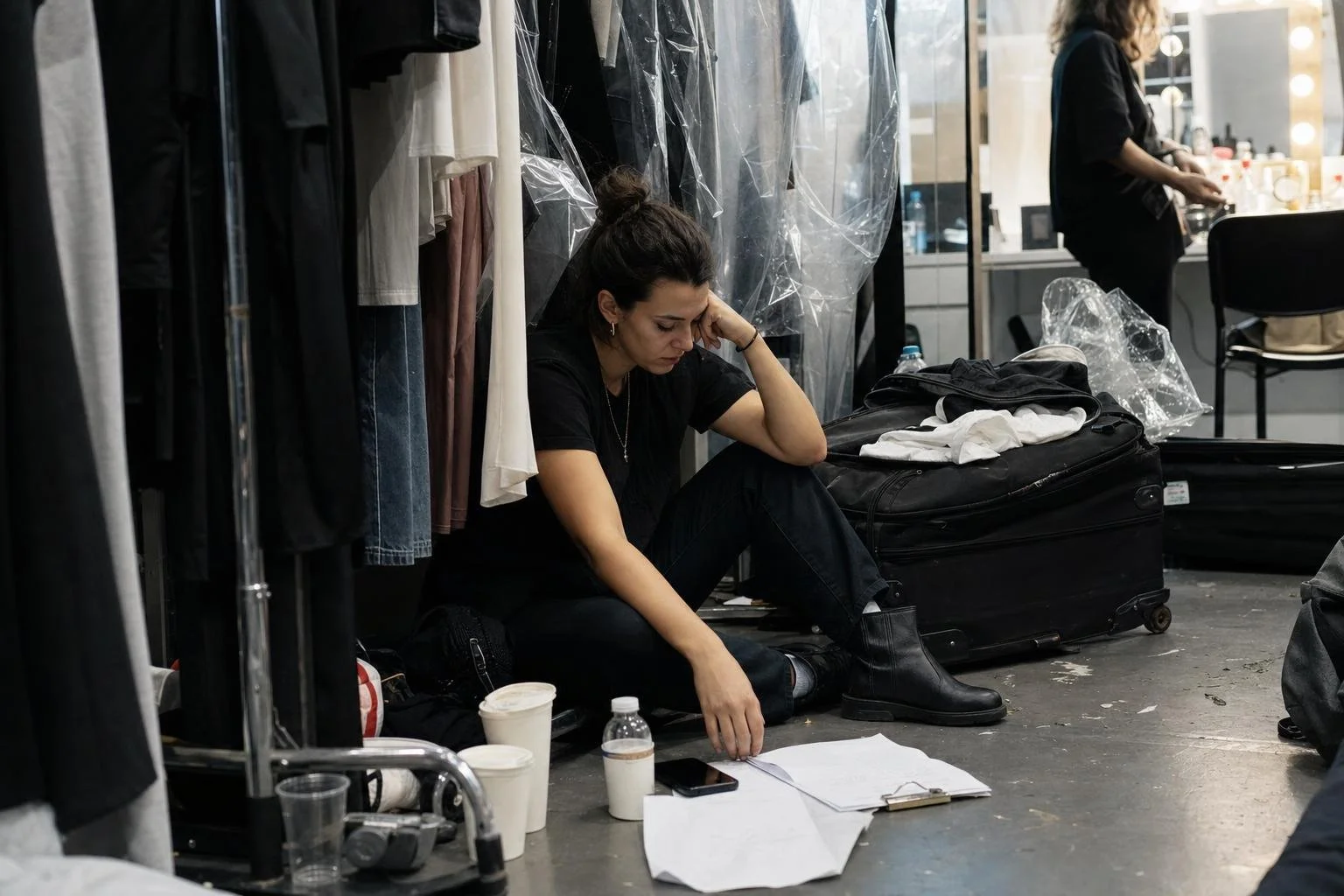
Signs worth paying attention to
Consider checking in with a clinician if you notice patterns like these in yourself or a colleague:
Using more, or more often, to cope with deadlines, travel, or events.
Disrupted sleep, missed fittings, or unexplained no-shows.
Secrecy around use, or conflict when someone raises it.
Needing more of a substance to feel the same effect.
These are prompts for a conversation, not a self-diagnosis. A qualified clinician can assess what is actually happening and what level of support fits.
What effective treatment actually looks like
Good care starts with a comprehensive assessment, not a one-size-fits-all program. One common point of confusion is worth clearing up early: detoxification is a short-term, medically managed step to handle withdrawal safely. Detox alone is not treatment. Treatment is the ongoing care and recovery support that follows.
Care is usually organized into levels. Outpatient and day programs let people live at home while attending structured sessions, which can suit those with stable housing and support. Inpatient or residential care provides a supervised environment and is often considered when withdrawal is complex, safety is a concern, or home life makes recovery harder.
Evidence-based approaches often include talking therapies such as cognitive behavioral therapy, motivational approaches, and, when clinically indicated, medications. For opioid dependence, medications such as methadone and buprenorphine can reduce withdrawal symptoms and cravings when prescribed and monitored by qualified clinicians. Continuing care matters because recovery is a process, not a single event.
Access remains a real barrier. In the United States, only about 19.3% of people who needed substance use treatment in 2024 reported receiving it, and global estimates suggest fewer than 10% of people with drug use disorders receive treatment. Reaching out early can improve your options.
Inpatient versus outpatient for fashion schedules
The right setting depends on your health needs first and your calendar second. Still, scheduling matters when your income depends on availability.
During show season or a run of on-location shoots, taking two to four weeks away for residential care may feel impossible. For some people, it is exactly what safety requires. For others with stable support at home, an outpatient day program scheduled around studio work or e-commerce shoots can be a workable starting point, with the option to step up if needed.
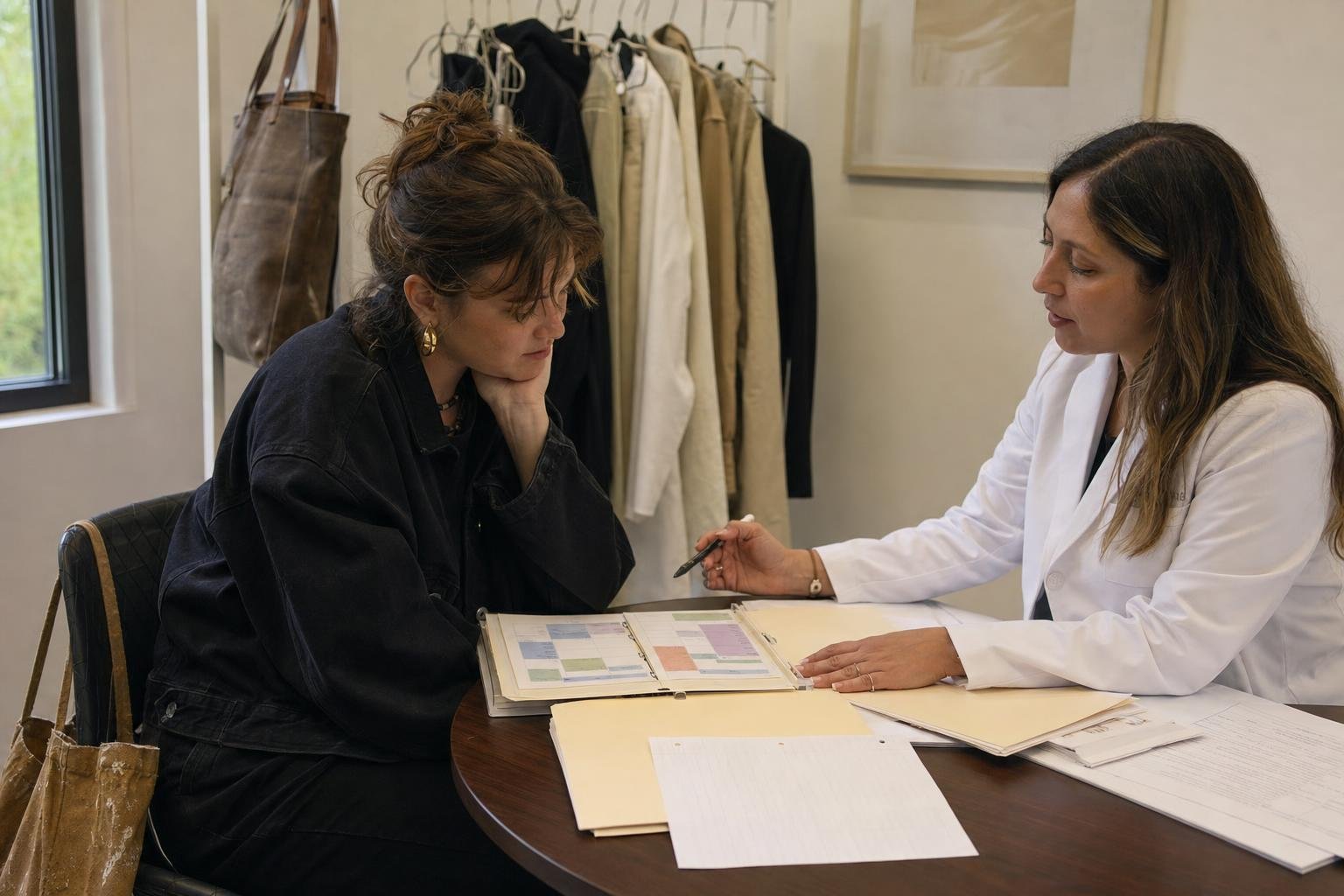
Confidentiality is a common worry in a small, connected industry. Ask any provider directly how they protect privacy, what information is shared, and with whom. Verify the legal privacy protections that apply where you live, since these vary by country and state.
Family and team support
Recovery is easier when people around you are part of the plan. Family involvement, peer support groups, and reasonable workplace accommodations can all support follow-through. In practice, that might mean reduced travel for a period, protected time for therapy, or alcohol-free sets.
You do not owe anyone your full medical history. A short, health-focused script often works best with a booker or manager: "I'm managing a health issue and need to protect some time for appointments over the next few weeks. Here's how I'll keep the work covered." Keep it minimal and forward-looking.
How to choose a private program
You can turn recognized quality signals into plain questions. The U.S. National Institute on Alcohol Abuse and Alcoholism points to five markers of higher-quality care. Use them as a checklist when comparing providers:
Credentials: Are the clinicians licensed and appropriately qualified?
Assessment: Do they run a comprehensive assessment before recommending a path?
Customized plan: Is the plan tailored to you, rather than a fixed template?
Evidence-based treatments: Do they use therapies and, where indicated, medications supported by research?
Continuing support: Is there a plan for ongoing recovery after the intensive phase?
Apply the same questions whether you are considering a public service, Arrow Health, or another private provider. Be cautious with any program that promises guaranteed outcomes or leans heavily on testimonials. Ask about cost, timelines, privacy, and what happens if your needs change.
Where to get help now (and how to choose a program that fits fashion schedules)
Public services are a solid starting point. In Australia, 127,804 clients received alcohol and other drug treatment in 2024 to 2025 across 1,316 publicly funded agencies, and on a snapshot day in 2025, 57,740 clients received opioid pharmacotherapy at 3,241 locations. Australia's healthdirect service and Lifeline (13 11 14) can point you toward local options. In the United States, SAMHSA's National Helpline (1-800-662-HELP) offers free, confidential referrals and information around the clock.

If you are based in or traveling through Victoria, Australia, Arrow Health is one example of a private provider with a stated continuum of care. Its drug rehab page outlines what care can include, from private hospital detox to inpatient and outpatient support, family services, and aftercare. Arrow Health also notes that it holds NSQHS and NSMHS accreditation. Treat this as one example to compare against, not a specific recommendation, and confirm details, costs, and suitability directly with the provider.
When comparing programs, bring the five quality questions above and ask how each service handles privacy, travel, and continuing care. A provider like Arrow Health, or any accredited service in your region, should be able to answer those questions clearly and without pressure.
Aftercare that fits a working life in fashion
Recovery continues long after any intensive phase ends. A written aftercare plan helps you move from a protected treatment setting back into work, travel, and public events without relying on willpower alone. Viewed alongside broader conversations about fashion and wellness, aftercare is practical support rather than a trend.
Practical aftercare for a mobile career often includes:
A travel-ready coping plan for events and long shoots.
A steady cadence of therapy or peer support that can survive a busy calendar.
Attention to sleep, nutrition, and jet lag, which can affect mood and cravings.
A short relapse-prevention plan that names your triggers and your next step.
Aim for progress over perfection. A missed session or a hard week is information to act on, not a reason to give up.
Recovery and creative work can coexist
Getting help early tends to widen your choices and protect your career, rather than threaten it. Recovery does not require stepping away from the work you love. For many people, steadier sleep, clearer focus, and stronger support make creative work more sustainable.
If any of this resonates, the most useful next step is a conversation with a licensed clinician who can assess your situation. This article is informational only. If you need support right now, Australia's Lifeline is on 13 11 14, the SAMHSA National Helpline in the United States is 1-800-662-HELP, and emergency help is available on 000 in Australia or 911 in the United States.
