
Strategic Planning for Family Travel: Top Global Destinations with Manageable Logistics
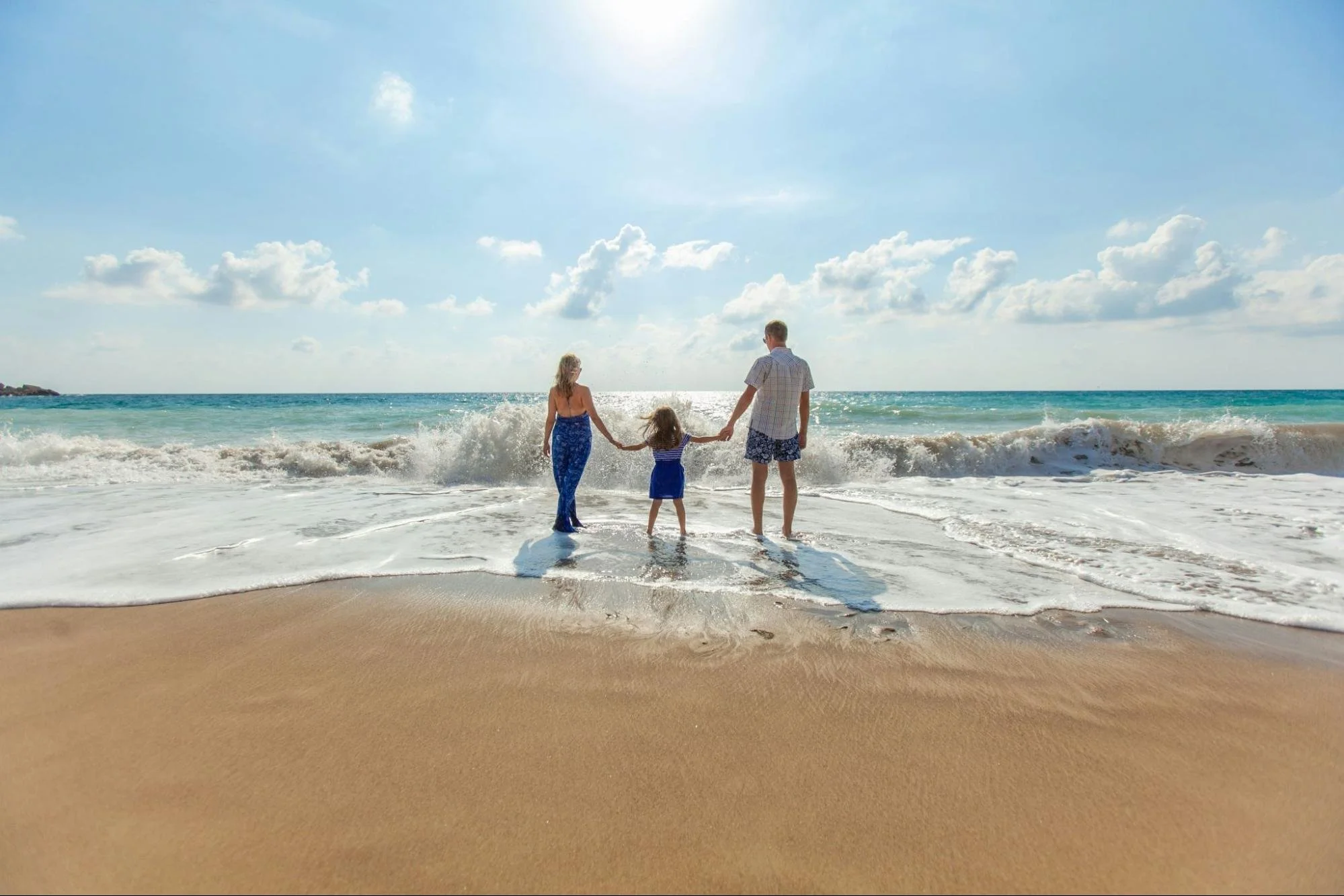
Traveling with children requires an entirely different operational approach than solo or couple travel. Success depends heavily on predictable public transit, manageable daily walking distances, high safety standards, and a balance of activities that prevent burnout for both adults and kids.
To help you plan a trip that minimizes friction and maximizes actual enjoyment, this guide breaks down four reliable, family-friendly destinations backed by practical logistics, real transport considerations, and budgeting realities.
1. San Diego, California, USA: Predictable Weather and High Walkability
San Diego is consistently ranked as a top North American destination for families due to its moderate climate, coastal geography, and concentrated cluster of major attractions.
Why It Works for Families: The city's layout avoids the frantic congestion of larger metropolises like Los Angeles or New York. Major anchors such as Balboa Park—home to the world-famous San Diego Zoo—and the museums are located right next to each other, minimizing time spent in transit. Coastal areas like La Jolla Shores offer gentle, protected wave conditions suitable for younger children.
Logistics & Transport: While renting a car provides the easiest access to outlying areas like LegoLand or regional state parks, the central trolley system and bus networks effectively connect downtown, Old Town, and the San Diego Zoo.
Practical Execution: Avoid visiting during peak summer heat waves (July and August) when local tourism surges and accommodation costs peak. Late spring (May to June) and early autumn (September to October) provide lower crowd density and comfortable outdoor temperatures.
2. Copenhagen, Denmark: Safety and Infrastructure Excellence
For families seeking international travel without the logistical stress of driving or complex navigation, Copenhagen offers an exceptionally structured environment.
Why It Works for Families: Copenhagen is fundamentally designed around pedestrian safety and cycling culture. Tivoli Gardens, one of the world's oldest operating amusement parks, sits directly in the city center and offers clean, secure entertainment alongside green spaces. The National Museum and the Experimentarium science center provide interactive indoor options if weather turns cold or wet.
Logistics & Transport: The city's metro and harbor bus systems are fully automated, impeccably clean, and stroller-accessible. Renting a cargo bike (Christiania bike) allows parents to transport children safely across the city via dedicated, separated cycling lanes.
Practical Execution: Denmark operates on a cashless economy; ensure your credit cards support contactless chip payments. Purchasing a Copenhagen Card covers unlimited public transit and free admission to over 80 museums and attractions, simplifying daily budgeting.
3. Tokyo, Japan: Efficiency, Cleanliness, and Universal Accessibility
While long-haul flights to Asia require preparation, Tokyo remains one of the safest and most functionally seamless urban environments for families traveling with school-aged children or toddlers.
Why It Works for Families: Tokyo combines high-density urban exploration with immense public order. Attractions like the National Museum of Emerging Science and Innovation (Miraikan), Ueno Zoo, and interactive digital art exhibits such as teamLab Planets cater directly to children's engagement. Convenience stores (konbini) on nearly every corner sell fresh, affordable, high-quality meals suitable for picky eaters at any hour.
Logistics & Transport: The train and subway systems are famously punctual and clear. Using a digital Suica or Pasmo transit card on your smartphone allows tap-and-go access across all lines without purchasing individual paper tickets.
Practical Execution: Transpacific airfare represents the largest single expense for this trip. To secure optimal pricing, monitor historical fare trends and set automated alerts on the flight price prediction page several months prior to departure.
4. Costa Rica (Arenal & Manuel Antonio): Nature, Wildlife, and Adventure
For families preferring natural environments over urban centers, Costa Rica provides a stable, politically secure introduction to Central America with well-developed tourism infrastructure.
Why It Works for Families: The country offers concentrated biodiversity. Within a compact geographic area, families can observe sloths, monkeys, and toucans in their natural habitats, visit active volcanic hot springs in Arenal, and explore calm Pacific beaches in Manuel Antonio. Guided nature walks are paced for children and led by certified naturalists.
Logistics & Transport: Private shuttle services or 4x4 rental vehicles connect major tourism hubs efficiently. Internal driving distances are relatively short, though winding mountain roads can cause motion sickness for younger passengers.
Practical Execution: Costa Rica has distinct dry and green seasons. Traveling during the shoulder months (such as May or November) offers lower lodging rates and fewer crowds, though afternoon rain showers are common. To model your family's accommodation, transport, and excursion expenses across multiple regions, use the cost estimating tool before finalizing your bookings.
