
Technology for Smarter Living and Driving
Technology is no longer something that just lives on our desks or in our pockets. It's woven into the fabric of our homes, our health routines, and even our cars. From thermostats that learn our habits to watches that monitor our heart rates, smart devices provide data that helps us live more efficiently, healthily, and safely.
This shift towards a more connected life offers countless opportunities to streamline daily tasks, keep an eye on our well-being, and become better, more aware drivers. Understanding how to use these tools can make a significant difference in managing the complexities of modern family life.
Data-Driven Decisions for Daily Life
The idea of making "data-driven decisions" might sound like something reserved for a business meeting, but it's a principle we can all apply to our daily lives. It simply means using information to make more informed choices.
For years, we've made decisions based on habit, guesswork, or a rough estimate. Now, technology gives us precise feedback on our actions, allowing us to see exactly what's working and what isn't. This immediate insight empowers informed decisions and continuous improvement across various areas.
Think about your home's energy consumption. You might get a bill every quarter and feel a bit helpless about the total. But a smart meter provides a real-time look at your usage. It shows you which appliances are drawing the most power and at what times. Seeing that data might prompt you to run the washing machine during off-peak hours or finally replace that old, inefficient freezer in the garage.
The same principle applies to personal fitness. You might feel tired, but is it because of a poor night’s sleep, a lack of activity, or something else? A fitness tracker can show you detailed sleep cycle analysis, your daily step count, and your heart rate variability.
Armed with this information, you can start to connect the dots between your habits and how you feel. This allows you to make small adjustments that lead to big improvements in your energy and mood. This isn't about letting technology run your life. It's about using it as a tool for greater awareness and control.
Using Telematics to Improve Driving
This data-driven approach extends powerfully to the road, especially for families with new drivers. The technology behind this is called telematics. It typically involves a small device or app that monitors how a vehicle is driven. It's a concept that is rapidly changing car insurance and driver safety, particularly for the younger generation hitting the road for the first time. The device gathers data on factors like speed, acceleration, braking, and cornering, providing a clear, objective picture of a person's driving style.
For a parent, this is incredibly valuable. It shifts the conversation from a general "drive safely" reminder to a specific, constructive dialogue based on actual events. You can sit down with your son or daughter and review the data together. Perhaps it shows a pattern of harsh braking, indicating they might be following other cars too closely. Or maybe it flags consistent speeding in a particular 30mph zone. This feedback isn't about catching them out. It's about coaching them to become safer, more confident drivers for life.
Many insurance providers now offer policies based on this technology. For parents with new drivers in the family, it's a great opportunity to learn about black box insurance and see how it can encourage safer habits from the very start. Because premiums are based on actual driving behaviour rather than just age-based statistics, it gives young drivers a fair chance to prove their responsibility and potentially earn a lower price. It provides peace of mind for parents and a tangible incentive for teens to build good habits behind the wheel.
Smart Home Devices for Efficiency
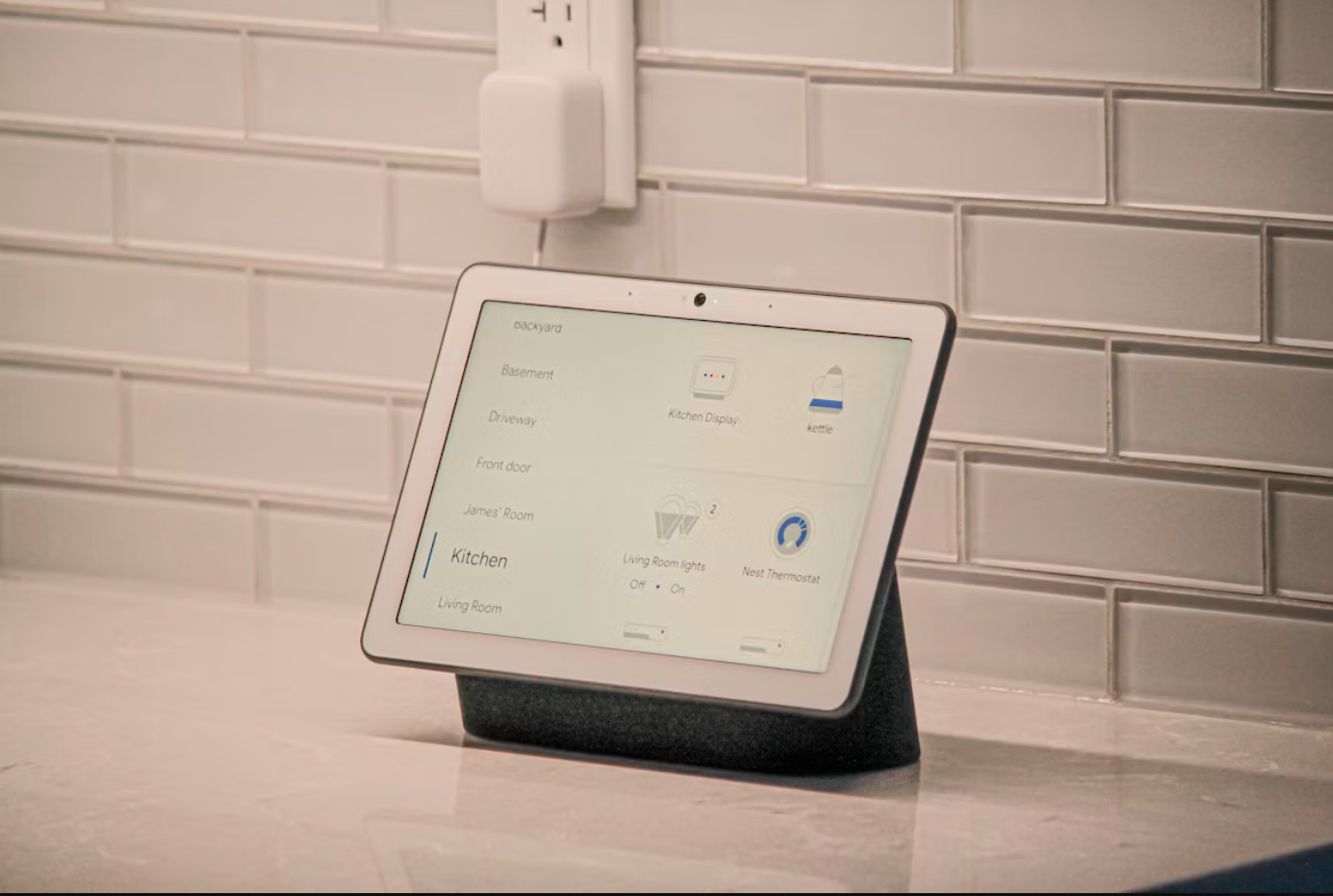
Beyond monitoring, smart technology is making our homes more efficient, secure, and responsive to our needs. The smart home is no longer a futuristic concept. It’s an accessible way to automate routine tasks and save money, energy, and time. These devices work together to create an environment that adapts to your family's lifestyle.
Smart thermostats, like the Google Nest or Hive, learn your daily schedule and adjust the heating accordingly. They know when you leave for work and when you're on your way home. This ensures you don't waste energy heating an empty house while also making sure it's warm when you arrive. Many can be controlled from your phone, so you can turn the heating on before you get back from a weekend away.
Smart lighting systems, such as Philips Hue, allow you to control every light in your home from an app. You can schedule lights to turn on and off to simulate occupancy when you're on holiday, a simple yet effective security measure. You can also dim them for a movie night or change their colour to create a different atmosphere, all without leaving the sofa.
Leak and smoke detectors are smart sensors that can provide an early warning for household disasters. A smart smoke alarm can send an alert to your phone if it detects smoke, allowing you to react even if you're not home.
Similarly, water leak detectors placed under sinks or near washing machines can notify you of the first sign of a drip, helping you prevent a small problem from turning into a costly flood. This technology is also being adapted to help us care for relatives, with a range of smart home medical devices designed to support independent living.
Connected Cars: The Future of Driving
Telematics is just one piece of a much larger puzzle: the connected car. A connected car is essentially a vehicle that has its own access to the internet. This allows it to share data and connect with other devices both inside and outside the vehicle. This connectivity is transforming the driving experience, making it safer, more convenient, and more entertaining.
One of the most immediate benefits is enhanced navigation. Connected navigation systems provide real-time traffic updates, rerouting you automatically to avoid congestion, accidents, or road closures. They can also find parking spaces or locate the nearest petrol station with the best price.
Beyond navigation, many connected cars offer remote services through a smartphone app. You can check if your car is locked, find it in a crowded car park, or even start the engine remotely to warm it up on a cold morning.
This technology also improves vehicle maintenance. The car can monitor its own health, alerting you when tyre pressure is low, a service is due, or a potential fault is detected in the engine. Some systems can even book a service appointment for you automatically.
For families, in-car Wi-Fi hotspots are becoming a popular feature, keeping passengers entertained on long journeys. All these features are stepping stones towards a future of fully autonomous vehicles, where cars communicate with each other and with city infrastructure to create a safer and more efficient transport network.
Wearable Tech for Health Monitoring
Just as smart devices are changing our homes, wearables are revolutionising how we manage our personal health. What started as simple pedometers has evolved into sophisticated health monitors that we wear on our wrists. Brands like Apple, Garmin, and Fitbit now offer devices that track far more than just your daily steps.
Modern smartwatches can monitor your heart rate continuously, alerting you to unusually high or low readings that could signal an underlying issue. Many now include an electrocardiogram (ECG) feature, which can detect signs of atrial fibrillation, a common heart rhythm irregularity. They also measure blood oxygen levels, track sleep quality through different stages (light, deep, REM), and even offer stress-tracking by monitoring heart rate variability, which can contribute to healthier daily practices.
The data collected provides a detailed, long-term overview of your body’s key metrics. This information can empower you to have more productive conversations with your doctor, providing them with a wealth of data that goes beyond a single check-up.
Technology offers incredible tools to make our lives easier, safer, and more efficient. By embracing the data and connectivity available to us, we can make smarter choices for our homes, our health, and our families' safety on the road.
