
What happens when someone experiences something so meaningful they feel compelled to share it with others? Growth.
The Crucible Project began (and has grown) exactly that way. It all started with the organization’s founder, Greg Huston, who was searching for deeper personal and spiritual meaning in his own life. It was then that Huston first envisioned a Christian retreat where men could confront difficult questions about themselves with honesty, accountability, and grace. And, after consulting with other Christian leaders and refining the concept, he turned this revelation into Dare to Soar, which held its first official weekend in February 2002.
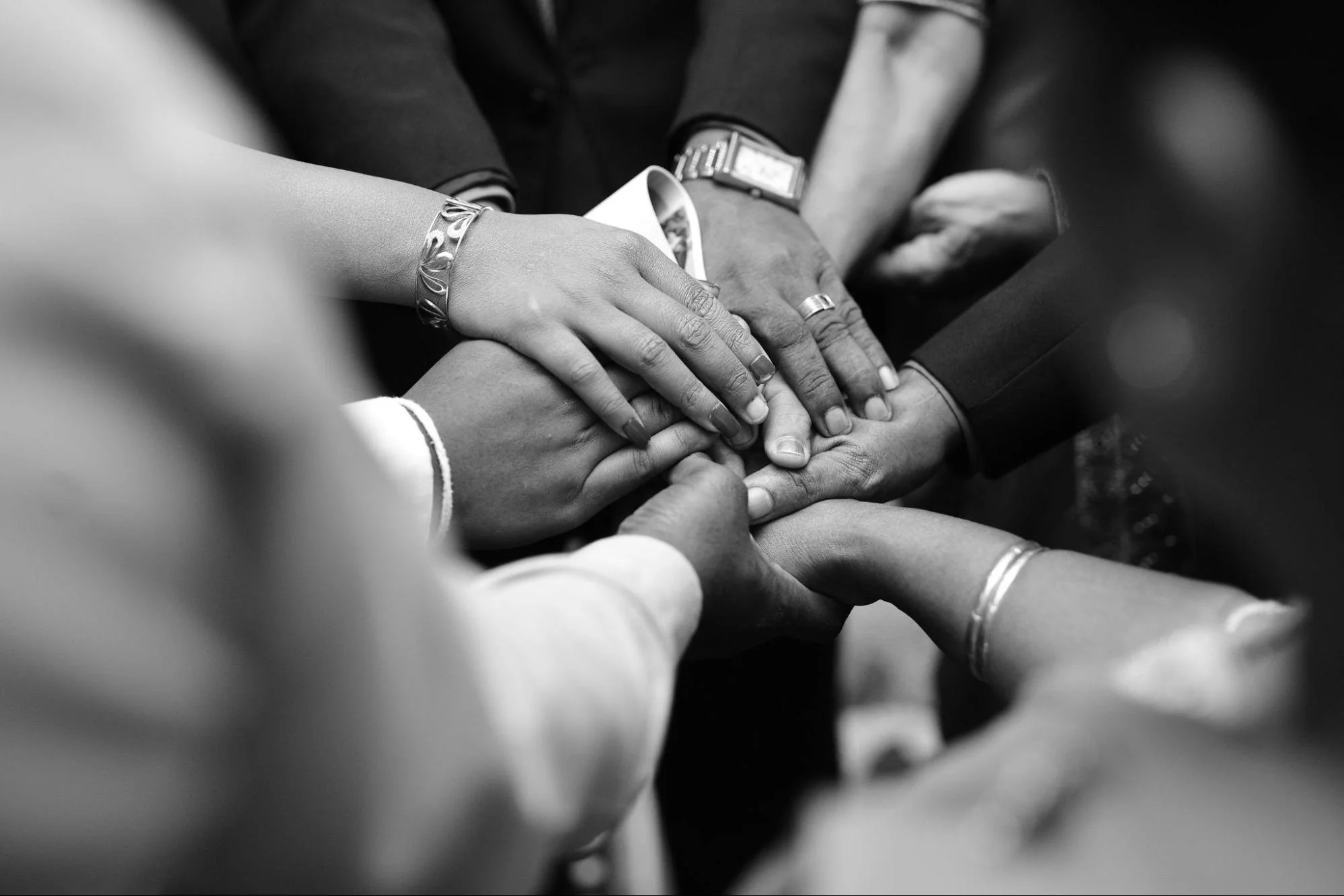
The Dare to Soar retreats gave men a place to examine their relationships, choices, fears, and personal patterns through experiential exercises and guided reflection, alongside others who were committed to the same process. The universal message resonated, and attendees began telling other men about it.
As interest grew, so did the need for something larger than Huston’s original model. In December 2005, the work was reorganized under a new nonprofit, The Crucible Project. With that structure in place, the next challenge was seeing whether the experience could take root somewhere entirely new. And Texas would provide the answer, thanks in large part to a man named Barry Thomas.
Though Huston had created the foundation, he would not be the only person to carry it forward. Just as Joshua, not Moses, led the Israelites into the Promised Land, Thomas helped take The Crucible Project into its next stage of growth.
Barry Thomas Brings the Vision to Texas
Barry Thomas completed his first Crucible weekend in August 2005 and soon became one of the people pushing to bring the experience to Texas. A former pastor who later worked in the energy industry, he brought both ministry experience and an operator’s mindset to the effort.
Thomas was a true catalyst, helping move the idea from interest to action. But bringing The Crucible Project to a new state required more than finding men willing to attend. It meant assembling the people, materials, leadership, and local support needed to recreate the true Crucible experience hundreds of miles from where it had begun.
Alongside fellow participant Brandon Brunson, Thomas gathered a trailer load of materials and stocked the supplies needed to launch that first Texas weekend. It was practical, hands-on work that Thomas was used to, having served for more than 13 years in Oklahoma City, Chicago, and Midland, Texas churches. And it marked an important shift for the organization: The Crucible Project was beginning to build a presence that could stand on its own outside of Illinois.
The First Texas Crucible Weekend
The first Texas retreat occurred in 2009, and it was the beginning of a much broader period of expansion. Among the men attending that January was Roy Wooten, who had been invited by his brother-in-law and Barry Thomas’ partner, Brandon Brunson.
Wooten later wrote that although the weekend was not focused on marriage, it helped him recognize patterns in himself that were affecting his relationship with his wife and the way he responded to others. Rather than leaving with the sense that the work was finished, he saw the retreat as a starting point and continued applying what he had learned after returning home.
That response became part of the Texas growth story. Wooten began volunteering with The Crucible Project soon after his initial weekend and went on to lead the Houston community for its first six years before joining retreat leadership in 2014. He would eventually become Executive Director of the organization.
More important than simply expanding leadership, though, the Texas experiment showed that the model could truly work in new regions and be sustained by local participants. Today, men, women, and combined gender groups are forming all over the U.S. and internationally.
Taking The Crucible Project Beyond Texas
Following Texas, Huston oversaw the development of communities in Colorado and Western Australia, with more than 1,700 men participating during his 13 years of leadership. But as The Crucible Project continued to spread, supporting that growth required more than adding retreats. It needed the leadership, systems, and infrastructure to help new communities succeed.
Chris Cleghorn played a major role in building that next stage. He joined The Crucible Project’s board in 2009 and later became Executive Director, bringing decades of nonprofit marketing, fundraising, and organizational experience to the role.
By September 2015, The Crucible Project reported that the number of men who had completed an initial weekend had doubled in just three years, surpassing 2,000 participants. That momentum continued, with annual initial weekends growing from 10 in three markets to 34 internationally. By 2019, The Crucible Project reported that over 4,500 men had participated, with 28 established or potential communities and women’s retreats taking the organization’s reach even further.
Since Roy Wooten became Executive Director in 2019, women’s programming has continued to expand alongside the organization’s broader growth. The Crucible Project now offers dedicated men’s retreats, women’s retreats, second-level programs, and coaching based on the principles that participants learn at initial retreats.
From Participant to Executive Director
One of the men sitting in that first Texas retreat would eventually help lead The Crucible Project into its next chapter: Roy Wooten.
Wooten was named Executive Director in March 2019, a decade after attending his first Crucible weekend. By then, he had already spent years building the Houston community and serving in retreat leadership. His background also included work as a pastor, counselor, coach, and nonprofit ministry executive, along with bachelor’s and master’s degrees in clinical and counseling psychology.
Under Wooten’s leadership, The Crucible Project has continued expanding both its reach and the range of people it serves. In 2025, the organization hosted 64 retreats serving 2,093 participants, including 48 initial retreats for more than 1,000 men and women.
But for all the numbers, new communities, and expanding programs, The Crucible Project’s growth has always come down to people choosing to stay involved.
The Human Element of Growth
Greg Huston created the original experience, and Barry Thomas helped carry it to Texas. Brandon Brunson helped build that first weekend, and Chris Cleghorn helped create the systems needed to support a rapidly expanding organization. Then Roy Wooten arrived as a participant in Texas and, a decade later, became Executive Director.
Along the way, thousands of others followed a similar path from participant to volunteer, group leader, retreat staff member, or community organizer. One person takes a step forward, carries what they learned back into their family and community, and creates an opportunity for someone else to do the same.
To learn more about The Crucible Project, explore upcoming retreats, or find a community near you, visit The Crucible Project website.
