
The Essential Drawing Materials Every Beginner Should Know About
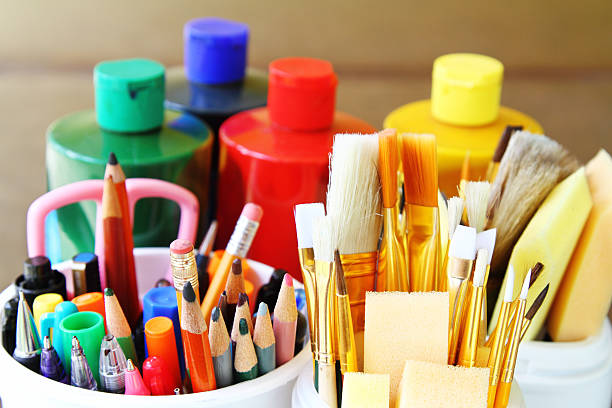
Starting your journey into the world of art is incredibly exciting, but it can also feel quite overwhelming. Imagine visiting a large craft store and being greeted by a sea of one-of-a-kind tools and brands. Now picture entering a large craft store and being faced with a multitude of unique tools and brands. Don't feel obliged to purchase all of the items that are available at the shop to sketch beautifully. Some simple tools will provide you with a solid basis for creativity. Knowing exactly what to choose will save you time and money as you begin your practice.
Understanding Drawing Pencils
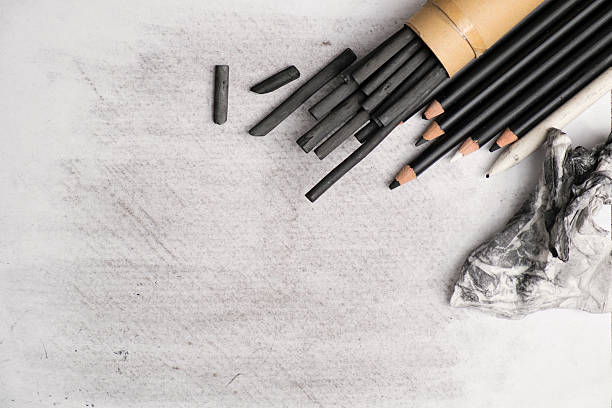
The most important tool for any aspiring artist is a reliable set of pencils. Everyday writing pencils work well for school, but there are more tonal variations with dedicated art pencils. Specific letters and numbers will appear on the barrels such as H and B, where H = hard and B = black. The middle pencil is a standard HB pencil. If you use a range of B pencils, you can get deep shadows and rich textures. As you follow along with helpful tutorials from https://drawingwithdawn.com you will realize how different pencil grades bring your beautiful sketches to life. Soft pencils are excellent for blending; hard pencils are good for very light initial outlines.
Choosing the Right Erasers
Many new artists believe that erasers are only for correcting simple errors when they draw, but these are actually great drawing tools. A regular eraser will work well to erase dark graphite marks from your paper. But each artist needs a good Kneaded Eraser, too. It is soft and pliable, and resembles grey putty. You can shape it so that it fits into small areas of the face to remove small details, or carefully press it into a shaded area to lighten it but not leave crumbs. A kneaded eraser will allow you to remove bright highlights from dark pencil areas to produce amazing contrast and pops of color.
Investing in a Good Sketchbook
Your sketchbook is your own personal workspace for practice and experimentation on a daily basis. A book with acid-free paper is recommended to keep your artwork from yellowing over time and to ensure a sturdy look to your book. The physical texture of the paper is commonly called the tooth. Medium tooth paper is what it is, which will catch the graphite and give a nice texture to the shadows. A wire-bound sketchbook is extremely handy as it will sit flat on your desk. This is a nice property that allows you to comfortably rest your hand while you're working with very detailed designs.
Finding a Reliable Sharpener
A pointy end is important for things such as fine details like individual hairs or expressive eyes. Cheap plastic sharpeners often break the graphite inside the wood casing, which wastes your expensive pencils. Purchase a good, high-quality metal sharpener that has a new sharp blade. A few advanced artists like to use a small craft knife and a sanding block to precisely shape the pencils. This is a manual sharpening technique which requires some practice, but provides you with complete control of the angle and length of the graphite point.
Adding Blending Stumps
For producing smooth gradations and true tones, a paper blending stump is a must-have. They are tightly rolled sticks of paper of various sizes. They are used to smooth and even the graphite on paper. Fingerprints will leave greasy marks, which will permanently mar your drawing surface if you blend with your hands. A blending stump will make your paper clean and provide you with accurate control over your shading. The dirty tip of the stump can also be used to create very light background shadows.
Conclusion
When you have the proper supplies, it's a lot more fun to learn how to draw. There is no need for a high-priced professional studio to make truly amazing art; just these tools and practice regularly to further enhance these skills. All great artists began with a blank piece of paper and a pencil. Just concentrate on the fun of making, and the talents will develop as you do.
