
The Precious Metal That Still Feels Surprisingly Accessible
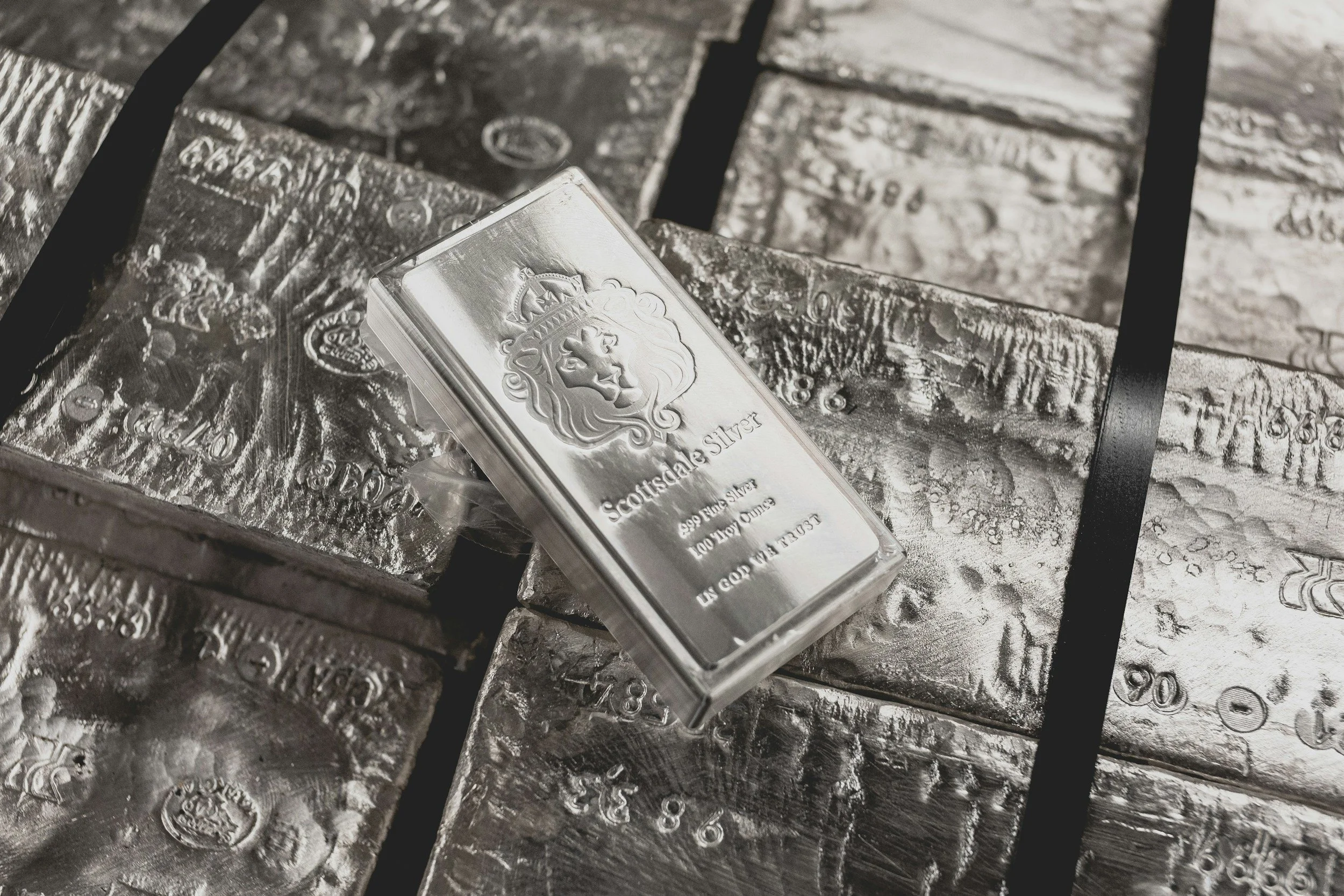
Silver has been valued for thousands of years, serving as money, decoration, jewelry, and a store of wealth across different civilizations. That long history can make precious metals sound like something reserved for serious collectors or people making substantial purchases. Physical silver, however, can offer a noticeably different experience because it comes in many sizes and formats.
Unlike precious metals with a much higher price per ounce, silver can allow someone to begin with a relatively modest physical purchase. A few coins, rounds, or small bars provide the experience of owning actual precious metal without necessarily requiring the larger amount associated with many gold products.
That accessibility remains part of silver's appeal today. For someone considering whether to buy silver, the metal combines centuries of monetary history with modern industrial usefulness and a wide variety of physical products.
Why Silver Feels Different From Gold
Gold and silver are both precious metals, but owning them can feel surprisingly different. The most obvious distinction is price per ounce. Because silver generally costs considerably less, the same dollar amount can represent a much larger physical quantity of metal.
There's also an everyday familiarity surrounding silver. People recognize it from jewelry, coins, tableware, electronics, and countless other products, even when they aren't thinking about the metal as an asset or collectible.
Physical ownership highlights another difference. Building a substantial dollar value in silver can require considerably more storage space than holding an equivalent value in gold. That tangible volume can be appealing to some buyers while creating practical storage considerations for others.
One Metal With Many Different Forms
Physical silver doesn't come in one standard package. Government-issued bullion coins are widely recognized and often feature designs connected to the country producing them. Private mints also produce rounds that resemble coins but aren't government-issued currency.
Bars offer another familiar format and can range from relatively small pieces to substantially larger sizes. Their designs may be simple and functional or include elaborate artwork, depending on the mint or refiner responsible for producing them.
Collectible silver adds another dimension entirely. Older coins and limited pieces may carry value related to rarity, condition, history, or collector demand in addition to their metal content. Knowing which category a product belongs to helps buyers understand what they're paying for.
The Industrial Side of the Silver Story
Silver isn't valuable only because people have historically treated it as a precious metal. Its physical characteristics also make it useful across numerous industrial and technological applications.
The metal conducts electricity and heat extremely well, which contributes to its use in electronics and electrical components. Silver also appears in solar technology and other specialized applications where its particular properties provide practical advantages.
That industrial role makes silver unusual because demand isn't driven solely by jewelry, collecting, or physical ownership. The same metal found in bullion products also participates in modern manufacturing and technology. Its identity therefore sits at an interesting intersection between an ancient precious metal and a useful industrial material.
What New Buyers Should Understand First
The market price of silver is an important reference, but physical products typically cost more than the metal's quoted spot price. The difference is commonly called a premium and can vary depending on the product, manufacturer, availability, and market conditions.
Purity and weight also deserve attention. Products should clearly indicate specifications so buyers know how much silver they're acquiring. Comparing different sizes can help reveal how premiums vary across available formats.
Storage becomes increasingly important as holdings grow because silver occupies meaningful physical space. Buyers should also recognize that market prices fluctuate and that resale conditions can vary. Thinking about authenticity, liquidity, premiums, and storage before purchasing creates a clearer picture of physical ownership.
Conclusion
Silver occupies an unusual position among precious metals. It carries thousands of years of history while remaining closely connected to modern technology and industry, giving it a role that extends far beyond coins, bars, and jewelry.
Its comparatively approachable price per ounce also creates flexibility. Buyers can encounter everything from small bullion pieces to larger bars and historic collectibles, each offering a different balance between metal content, recognition, design, and potential collector interest.
That combination helps explain silver's enduring appeal. It's historic without feeling inaccessible, useful without losing its precious metal identity, and available in enough formats to suit many different interests. Few metals manage to feel ancient, practical, collectible, and thoroughly modern at the same time.
