
Less Stuff, More Peace: Tips To Build A Home That Feels Lighter
Written by Lea Collins.
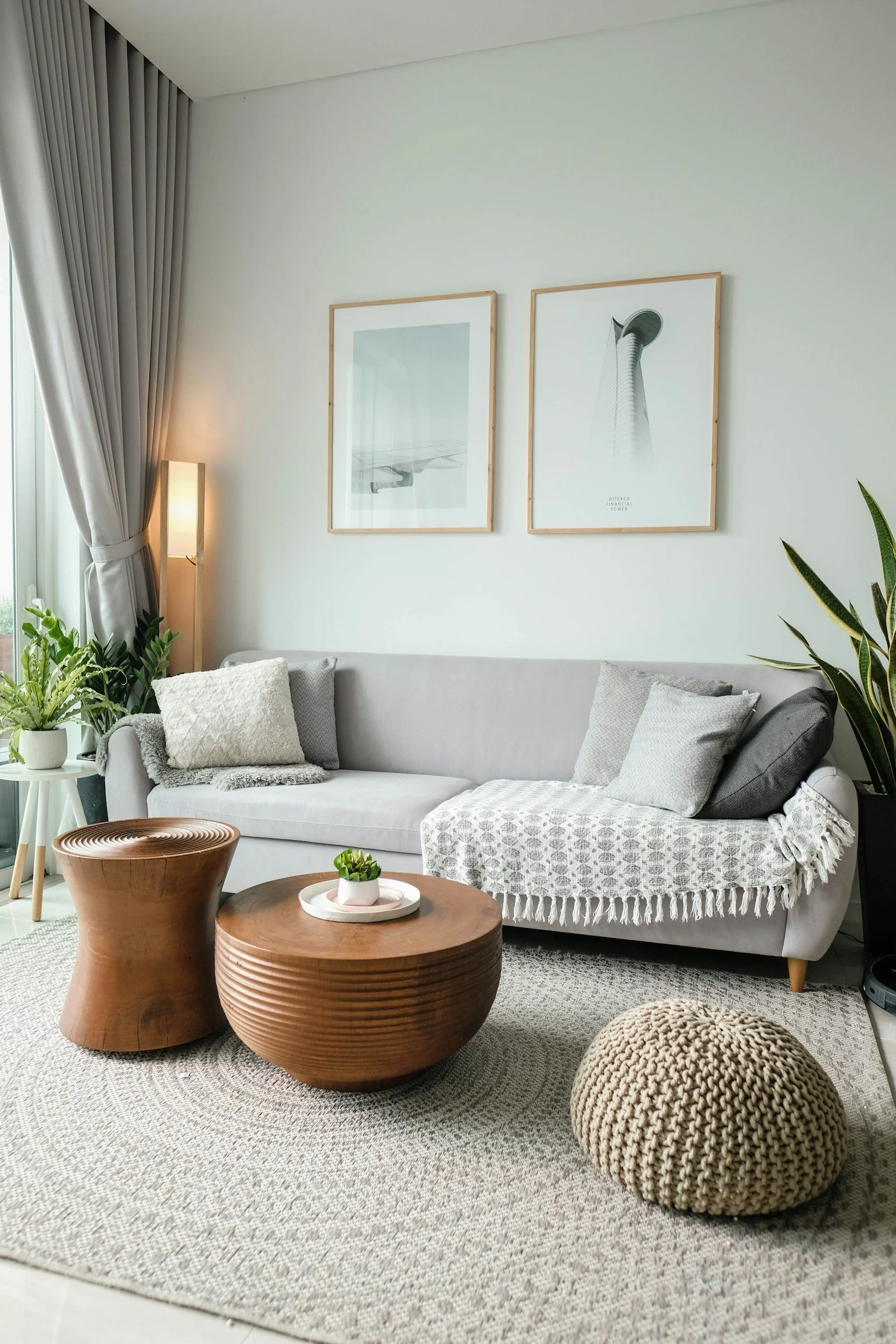
A lighter home starts with the feeling you want, not the things you own. When you focus on ease, rooms begin to breathe, and daily routines get simpler. These tips help you move clutter out, invite calm in, and keep the balance going.
Clear The Visual Noise
Clutter competes for attention and makes it harder to relax. Start by scanning each room for visual hotspots like stacked mail, extra cords, or overflowing shelves, then remove the loudest items first.
Box up anything you’re unsure about so you can evaluate later without derailing your flow.
Health writers at a university wellness outlet note that messy spaces can raise stress and anxiety, which is why even small wins matter. Clear a coffee table, wipe a counter, or empty a hallway hook - these quick resets build momentum and create instant calm.
Make Space With Smart Off-Ramping
If everything stays inside the house, decisions pile up. Create an off-ramp system that moves items out quickly: a donation bag near the door, a returns bin in the car, and a sell box in a closet. Label each clearly so things don’t drift back into living areas.
Some belongings are still useful, but not useful right now. Think about short or long-term storage to hold seasonal gear, archive documents, or bulky baby items between families. Keep a simple inventory in your phone so you can find what you stored without hunting.
The goal is breathing room at home, not perfection.
Set Gentle Limits On What Enters
You can’t declutter faster than you accumulate. Put a soft gate at the door with rules that fit your life. Try 1-in, 1-out for categories that swell quickly, like books or kitchen gadgets. Use a waiting list for nonessentials - if it still feels worth it in 30 days, bring it in.
Make thresholds visible. Reserve only one drawer for spare cords, one shelf for hobby overflow, and one basket for guest linens. When the boundary fills, it’s a prompt to edit. Limits aren’t punishment - they are guardrails that protect your peace.
Try these low-effort filters: set a monthly cap for impulse buys, keep a small “maybe” list in notes, and schedule a 10-minute reset on Sundays.
Calm Your Brain As You Declutter
Decluttering is part logistics, part psychology. A mental health columnist reported that clutter links with stress hormones and procrastination, which explains why big projects feel heavy. Work with your brain by trimming the task to something you can finish in one sitting.
Use short, repeatable sessions. Set a 15-minute timer, pick a surface, and sort only what you can see. Stop when the timer ends and celebrate the finish. Consistency beats intensity - a few steady sessions each week lighten the whole house without burnout.
Create Light-Looking Rooms With Layout Tweaks
Visual weight matters as much as actual weight. Group decor in odd numbers, leave negative space on shelves, and aim for one clear sightline across every room. If furniture blocks the view, pull pieces away from walls and float them on a rug to define zones.
Swap heavy textiles for lighter weaves and keep patterns simple. Use closed storage for small items and open storage for beautiful, larger pieces. A single large artwork or mirror often looks cleaner than many small frames, and it bounces light to make the room feel open.
Store What You Keep The Right Way
Clarity beats cleverness. Use uniform bins for a calmer look and label clearly on two sides so you can spot what you need quickly. Keep the everyday items within arm’s reach, the sometimes on mid shelves, and the rarely used items up high.
Create kits for life moments. A guest set with spare towels and toiletries, a repair kit with basic tools, and a travel cube with adapters and passports will save time and decision energy. When everything has a home, tidying becomes a quick return, not a full project.
Keep Momentum Without Perfection
Progress sticks when it is visible. Keep a short list of quick wins on the fridge or your phone - clear the entry bench, empty the dish rack, reset the sofa cushions. Every small reset signals closure to your brain and prevents the slow creep back to clutter.
Industry reporting from a regional association highlights how many households use outside storage as part of normal space management, which can be reassuring if your home is in a transition.
Use that as permission to right-size your rooms now, then review your setup each season to keep life and space aligned.
A calmer home isn’t a one-time event - it’s a rhythm. When you pair gentle limits with simple systems, rooms stay lighter and your days feel easier. Start small, keep what adds value, and let the rest move along.
Related:
